
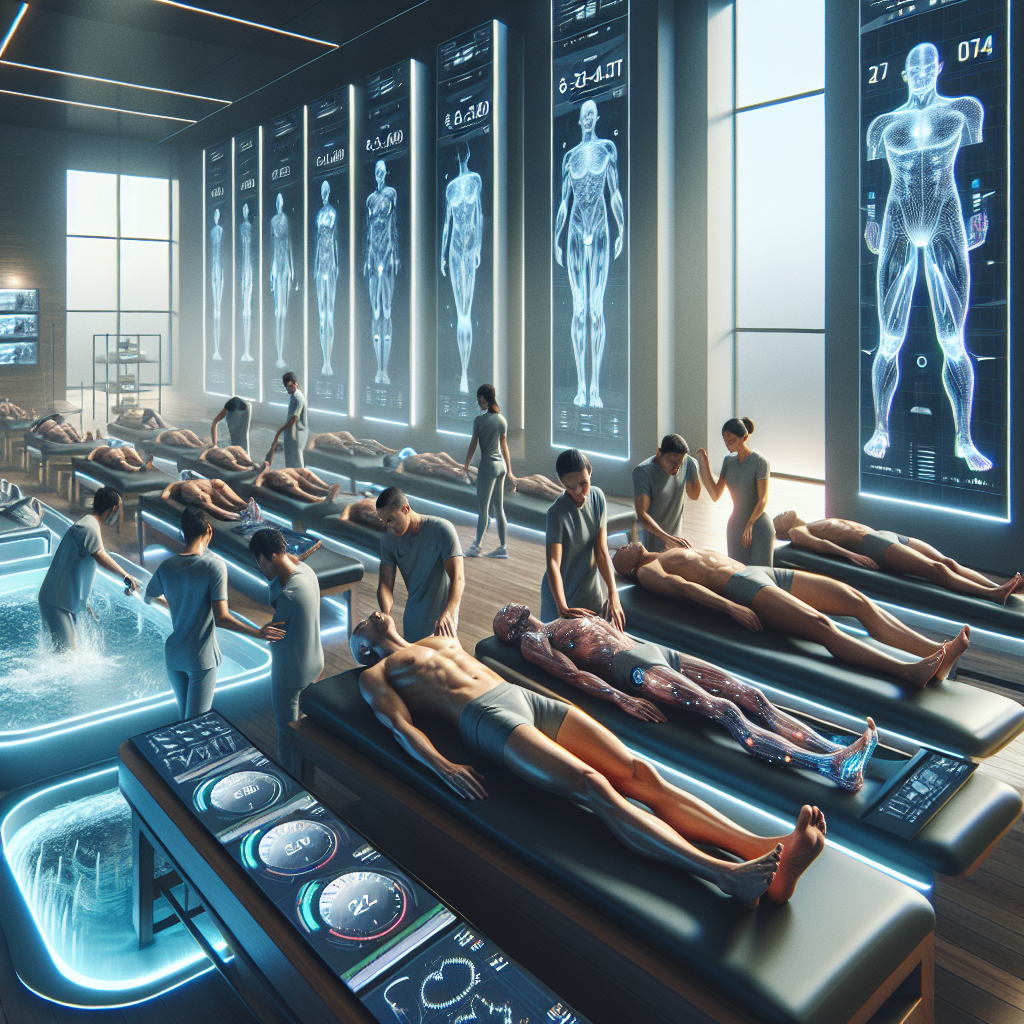

Reviving Strength: The Science Behind Muscle Regeneration
1. Introduction
Recovery and regeneration are crucial components of athletic performance. The process of muscle regeneration involves complex biological mechanisms that allow athletes to recover effectively from intense physical exertion. Understanding the science behind these phenomena can help improve performance, reduce injury rates, and enhance overall athletic longevity.
2. Current Recovery and Regeneration Trends
In recent years, the emphasis on athlete recovery has shifted significantly. Coaches and sports scientists now recognize recovery as an integral part of training. Current trends in recovery methods include:
- Holistic recovery strategies combining physical and psychological approaches.
- Increased use of technology for monitoring recovery metrics.
- Enhanced focus on nutrition and hydration as pivotal recovery factors.
3. Muscle Recovery and Repair
The muscle recovery process begins immediately after exercise, with the body initiating repair activities. Key components include:
- Inflammation: This natural response helps to remove damaged cells and lays the groundwork for new muscle tissue.
- Muscle Protein Synthesis (MPS): Elevated post-exercise, MPS is critical for rebuilding muscle fibers.
- Hormonal Influences: Hormones like insulin and growth hormone play vital roles in facilitating muscle regeneration.
4. Recovery Technology and Wearables
Technological advancements have transformed recovery approaches. Devices such as wearables enable athletes to monitor various physiological parameters, including heart rate variability, sleep quality, and activity levels. This data allows for:
- Individualized recovery plans based on real-time insights.
- Objective tracking of recovery markers, improving decision-making processes.
- Integration of biofeedback mechanisms aiding in stress management.
5. Mobility and Injury Prevention
Mobility work is essential for maintaining flexibility and preventing injuries. Techniques such as:
- Dynamic Stretching: Increases blood flow and prepares muscles for activity.
- Foam Rolling: Aids in alleviating muscle tightness and promotes blood circulation.
- Specific Mobility Drills: Target key muscle groups prone to tightness and injury.
Incorporating mobility exercises in regular training can significantly enhance recovery and reduce injury rates.
6. Sleep and Recovery Optimization
Quality sleep is a cornerstone of recovery science. During sleep, the body undergoes critical repair processes, including:
- Cellular Repair: Amplified muscle recovery occurs during deep sleep stages.
- Hormonal Regulation: Sleep helps regulate hormones that facilitate recovery and appetite.
- Cognitive Restoration: Improved focus and decision-making capabilities upon awakening.
Prioritizing sleep hygiene practices can uplift recovery optimization.
7. Sports Science Recovery Methods
Current research in sports science continues to explore innovative recovery methods. Notable approaches include:
- Active Recovery Methods: Low-intensity activities post-exercise can facilitate blood flow and decrease muscle soreness.
- Cold and Heat Therapy: These modalities can reduce inflammation and improve circulation, aiding recovery.
- Compression Recovery: Wearing compression garments may enhance venous return and minimize swelling.
8. Common Recovery Mistakes
Athletes often fall into common recovery pitfalls, including:
- Neglecting hydration, leading to impaired recovery processes.
- Overlooking the importance of nutrition for muscle repair.
- Failing to individualize recovery strategies based on unique physiological needs.
9. Future of Recovery and Regeneration
The future of recovery and regeneration in sports looks promising, with ongoing advancements in technology and research. Emerging areas focus on:
- Personalized nutrition and supplementation tailored to individual recovery needs.
- Enhanced recovery environments using advanced monitoring techniques.
- Integrating mental recovery and resilience training as part of overall recovery strategies.
10. Conclusion
Recovery and regeneration are paramount for optimal athletic performance. Through a nuanced understanding of muscle recovery, technological integration, and preventative strategies, athletes can enhance their recovery processes. By placing an emphasis on evidenced-based methods and continual adaptation, sports recovery can evolve, ultimately aiding athletes in thriving throughout their careers.