

Rebound Stronger: The Science Behind Effective Recovery Strategies
Recovery and regeneration are critical components of athletic performance. Understanding the science behind recovery methods can enhance an athlete’s ability to perform consistently at high levels. In this article, we explore various recovery strategies, analyze their efficacy, and provide insights into their role in sports performance.
Current Recovery and Regeneration Trends
The evolving landscape of sports recovery reflects a growing emphasis on evidence-based techniques. Athletes now have access to a range of recovery strategies, with a focus on optimizing athletic performance while minimizing injury risk. Trends indicate a shift towards active recovery methods, tailored rehabilitation programs, and the use of cutting-edge recovery technology.
Muscle Recovery and Repair
Muscle recovery involves physiological processes such as muscle regeneration and repair following strenuous activity. Delayed onset muscle soreness (DOMS) results from microtrauma to fibers, prompting a repair process that builds stronger muscle tissue. Evidence suggests that a combination of rest, nutrition, and active recovery can enhance muscle repair and ultimately improve performance outcomes.
Recovery Technology and Wearables
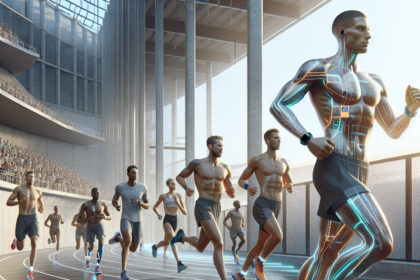
The integration of technology in sports recovery is revolutionizing how athletes monitor their recovery. Wearable devices provide real-time data on various metrics, including heart rate variability, sleep patterns, and muscle soreness levels. This data-driven approach allows for better personalization of recovery strategies, ensuring athletes achieve optimal recovery and regeneration.
Mobility and Injury Prevention
Mobility and flexibility are foundational aspects of recovery science. Incorporating mobility exercises into recovery protocols can help prevent injuries by maintaining joint health and enhancing muscular activation patterns. Regular mobility training not only aids in muscle recovery but also contributes to an athlete’s overall physical resilience.
Sleep and Recovery Optimization
Sleep is one of the most critical components of recovery optimization. During sleep, the body engages in various repair processes, including the release of growth hormone, which aids in muscle recovery. Research indicates that inadequate sleep can lead to impaired recovery, increased fatigue, and higher injury rates. Establishing a sleep hygiene routine is essential for maximizing recovery and performance.
Sports Science Recovery Methods
Effective recovery methods in sports science include various strategies such as cold and heat therapy, active recovery, and compression therapy. Cold therapy may reduce inflammation and alleviate soreness, while heat therapy can enhance blood flow and facilitate nutrient delivery to muscles. Compression garments are widely used for reducing swelling and improving circulation, contributing to quicker recovery times.
Common Recovery Mistakes
Athletes often make common recovery mistakes that can impede performance. Some of these include:
- Neglecting hydration: Proper fluid intake is vital for muscle function and recovery.
- Using passive recovery excessively: While rest is important, active recovery strategies can significantly improve outcomes.
- Ignoring nutrition: Consuming adequate nutrients post-exercise is crucial for muscle regeneration.
Future of Recovery and Regeneration
The future of recovery and regeneration in sports will likely see advancements in personalized recovery protocols driven by data analytics and technology. Continuous research into recovery science will enhance our understanding of biological mechanisms, allowing for innovative strategies tailored to individual physiological needs.
Conclusion
Understanding and implementing effective recovery strategies are essential for athletes seeking to enhance their performance and longevity in sports. By acknowledging the significance of recovery and utilizing evidence-based methods, athletes can rebound stronger, minimizing injury risks while maximizing their potential.