

Wearable Fitness Tech: Revolutionizing Personal Health One Step at a Time
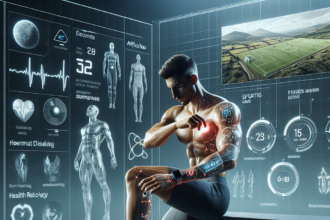
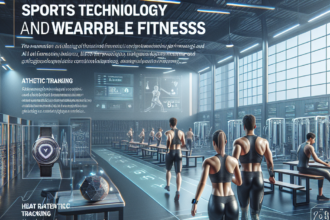
In recent years, wearable fitness technology has transformed the landscape of personal health and athletic performance. These innovative devices provide athletes, fitness enthusiasts, and everyday users with real-time data and insights, allowing for more informed decision-making concerning physical health and performance. This article delves into the current trends and technological advancements in wearable fitness technology, athlete monitoring systems, and their role in personal health optimization.
Current Wearable Technology Trends
The market for fitness wearables has expanded dramatically, with a variety of smart devices now available. Current trends reflect a movement towards multifunctional devices that combine several monitoring capabilities, including:
- Heart rate monitoring
- GPS tracking for outdoor activities
- Caloric expenditure estimation
- Sleep assessment
- Activity level tracking
Wearable technology now caters to a broader audience, extending beyond elite athletes to include casual exercisers and health-conscious consumers.
Athlete Monitoring and Biometric Tracking
Athlete tracking technology utilizes biometric tracking to gather data about an individual’s physiological state. This encompasses heart rate variability, body temperature, and sweat analysis, contributing to a comprehensive understanding of performance metrics. Establishing a baseline allows trainers and athletes to:
- Optimize training regimens
- Reduce injury risk
- Enhance overall performance
Devices like heart rate monitors and smartwatches are at the forefront of this technology, capable of providing precise analytics during training sessions and competitions.
Recovery and Sleep Tracking Systems
Recovery tracking technology has emerged as a crucial component of athletic training. Smart recovery devices provide data on muscle fatigue, recovery time, and sleep quality. Sleep tracking, in particular, plays a significant role in athletic performance; research indicates that quality sleep directly impacts recovery efficiency and overall performance levels. Key features include:
- Sleep stage assessment
- Duration of restful sleep
- Sleep disturbances monitoring
These insights allow athletes to tailor their training schedules and recovery strategies effectively.
AI and Smart Fitness Devices
AI fitness wearables leverage machine learning algorithms to analyze user data and offer personalized training recommendations. These smart fitness devices can identify patterns in user behavior and suggest adjustments based on performance metrics. Capabilities of AI-enhanced wearables may include:
- Real-time feedback during workouts
- Custom training plans
- Adaptive recovery suggestions
This level of personalization enhances user engagement and promotes more effective training experiences.
Sports Science and Performance Analytics
Sports performance wearables facilitate the collection and analysis of performance data, informing athletes of their strengths and weaknesses. Key metrics analyzed include:
- Efficiency in athletic movement
- Power output
- Endurance levels
Performance analytics derived from these metrics provide coaches and athletes with actionable insights to enhance training and competition strategies.
Risks and Limitations of Wearables
Despite their advantages, wearable fitness technology is not without risks and limitations. Potential concerns include:
- Inaccurate data measurements due to poor device calibration
- Reliance on technology over personal intuition
- Privacy concerns surrounding personal health data
Understanding these risks is essential for users to make the most informed decisions regarding the use of wearables.
Consumer Adoption and Market Growth
The adoption rate of fitness tracking technology continues to rise. With growing awareness of personal health, more consumers are integrating fitness wearables into their daily routines. Factors contributing to this trend include:
- Increased focus on health and wellness
- Advancements in technology and device affordability
- Strong marketing and influencer engagement
This growth is reflected in the expanding market, projected to reach significant financial benchmarks in the coming years.
Future of Wearable Performance Technology
The future of wearable performance optimization is promising, with anticipations of greater integration of health monitoring features, enhanced AI functionalities, and improved user interfaces. Emerging trends include:
- Integration with telehealth platforms
- Wearables for mental health monitoring
- Development of skin-based sensors
These innovations will undoubtedly further revolutionize the personal health landscape.
Conclusion
Wearable fitness technology has proven instrumental in transforming personal health and performance. From biometric tracking to advanced recovery systems and AI features, these devices are helping users make data-driven decisions that can enhance their fitness journey. As technology continues to evolve, the potential for further advancements in wearable performance optimization is boundless, promising a future where personal health is monitored and improved with unparalleled precision.