



Revolutionizing Fitness: How Wearable Tech is Changing the Game
Introduction
Wearable fitness technology has emerged as a transformative force in the realm of sports and fitness performance. These devices provide valuable insights and data to athletes and fitness enthusiasts, allowing for enhanced training regimens, increased motivation, and improved overall health. This article explores the current trends in wearable technology, focusing on athlete monitoring systems, biometric tracking, recovery devices, and their implications for performance optimization.
Current Wearable Technology Trends
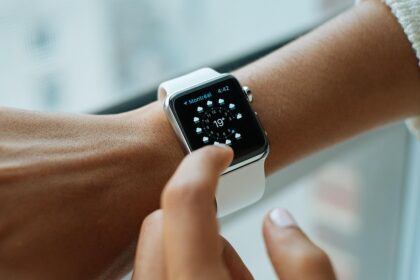
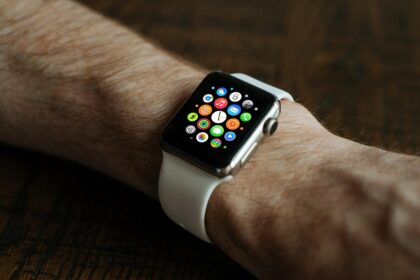
The market for wearable fitness technology has grown substantially, driven by advancements in sensor technology, data analytics, and connectivity. Innovations such as small, lightweight devices with improved battery life have enabled athletes to monitor their performance continuously. From smartwatches to specialized wearables, these devices come equipped with features that cater to diverse fitness needs.
Athlete Monitoring and Biometric Tracking
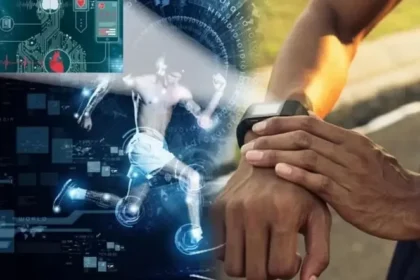
Athlete tracking technology has become an essential tool for measuring performance metrics such as heart rate, distance traveled, and calories burned. Wearable fitness devices often utilize biometric tracking capabilities to gather physiological data, providing insights into an athlete’s health status and performance potential. Metrics like VO2 max and lactate threshold can inform training decisions and elevate performance levels.
Recovery and Sleep Tracking Systems
Recovery is a critical component of any training regimen, and wearable recovery devices are designed to help athletes optimize their rest periods. Technologies that monitor sleep quality and duration have gained prominence, providing comprehensive insights into recovery patterns. By assessing sleep stages and overall sleep efficiency, athletes can fine-tune their training loads and recovery strategies.
AI and Smart Fitness Devices
Artificial intelligence has started to play a significant role in the fitness wearables landscape. AI fitness wearables can analyze data trends over time, offering personalized recommendations based on individual performance and recovery feedback. Such intelligent systems help users set realistic goals, track progress, and adjust training plans accordingly, ultimately leading to enhanced performance outcomes.
Sports Science and Performance Analytics
The integration of sports science principles into wearable performance analytics has made it possible to derive actionable insights from complex data sets. Wearable technology enables real-time monitoring, which can aid coaches and athletes in making informed decisions regarding training intensity, technique, and recovery strategies. Analyzing data through scientifically-backed methods can optimize performance significantly.
Risks and Limitations of Wearables
Despite their benefits, wearable fitness technology does have limitations. Data accuracy can vary based on device quality, and reliance on technology may lead to a lack of focus on intrinsic motivation. Furthermore, privacy concerns regarding data security pose risks for users. It is essential to approach wearable fitness technology with a balance between data-driven insights and personal intuition.
Consumer Adoption and Market Growth
The consumer adoption of fitness tracking technology has seen exponential growth, largely driven by increasing health awareness and the desire for personalized health insights. As technology improves and becomes more accessible, it’s expected that the market for sports performance wearables will continue to expand. More fitness consumers are integrating wearables into their daily routines, making them a staple of modern fitness culture.
Future of Wearable Performance Technology
Looking ahead, the future of wearable performance technology appears promising. Emerging technologies—such as continuous glucose monitoring and advanced biometric sensing—could further refine performance metrics and recovery strategies. Additionally, a focus on interoperability across devices and platforms may enhance user experience, allowing for a holistic view of health and performance.
Conclusion
Wearable fitness technology is distinctly altering the landscape of sports performance, offering valuable insights into athlete monitoring, recovery, and overall health. As innovations in technology continue to evolve, the potential for optimizing human performance through wearable devices will only grow. By understanding the capabilities and limitations of these devices, athletes and fitness enthusiasts can better equip themselves to meet their performance goals.