
Revolutionizing Sports: How AI Athlete Tracking is Changing the Game
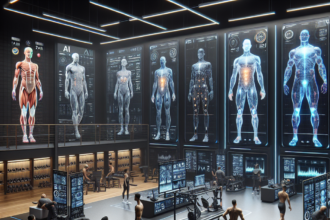
The integration of artificial intelligence (AI) into sports is transforming the way athletes train, perform, and recover. With advancements in AI performance tools and wearable fitness technology, athlete performance analysis has reached unprecedented levels. This article explores how AI athlete tracking, smart fitness technology, and data-driven methodologies are shaping the future of athletic performance.
Current AI Performance Trends
AI performance optimization is gaining traction across various sports disciplines. Algorithms designed to analyze vast datasets enable coaches and athletes to make informed decisions based on real-time analytics. Performance metrics such as speed, heart rate, and biomechanical data can now be captured and analyzed, allowing athletes to refine their training regimens.
Wearable Technology and Athlete Tracking
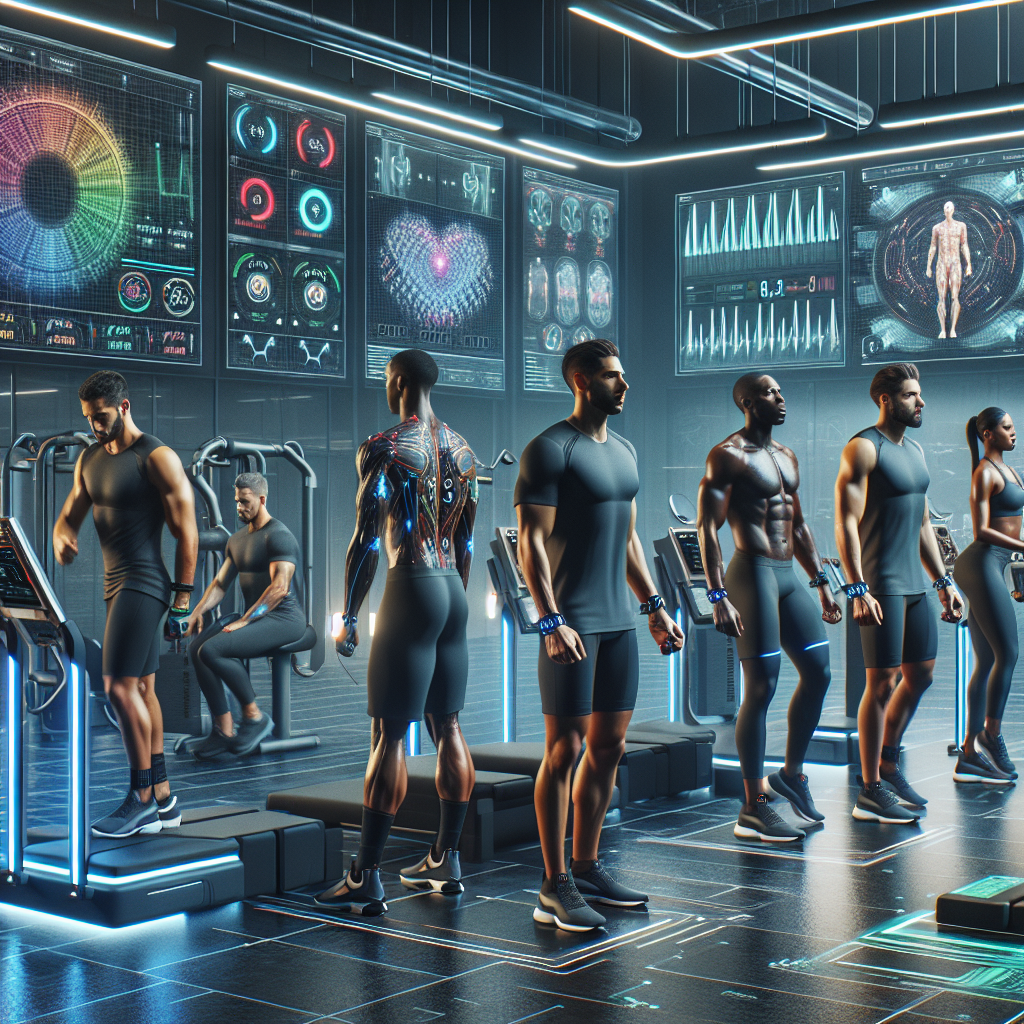
Wearable fitness technology has become essential in modern athletics. Devices equipped with sensors can track various biometrics, including heart rate, oxygen saturation, and movement patterns. AI athlete tracking systems leverage this data to provide insights into an athlete’s current performance and overall well-being. The real-time feedback helps athletes adjust their training based on individual needs.
AI Coaching and Smart Training Systems
AI coaching platforms are emerging as crucial components of athletic training. These systems utilize machine learning algorithms to design personalized training programs. By analyzing past performance and current biometric data, AI can tailor workouts, optimize recovery, and offer mental preparedness strategies, ultimately enhancing athlete performance.
Recovery and Biometric Analysis
Smart recovery systems equipped with biometric fitness tracking tools allow athletes to monitor their recovery effectively. Continuous tracking of metrics such as sleep quality and muscle fatigue provides invaluable information for optimizing training cycles. AI assesses recovery patterns, recommending specific techniques like active recovery or rest days when needed.
Injury Prevention Through AI
Predictive injury prevention is one of the most promising applications of AI in sports science technology. By analyzing historical injury data alongside current performance metrics, AI systems can identify patterns that predispose athletes to injuries. This information enables proactive strategies to reduce risks, guiding athletes in their training to avoid overuse and stress injuries.
Data Analytics and Human Performance
The role of data-driven athletic training cannot be overstated. Modern sports science innovations are increasingly data-centric, employing AI to process information at lightning speed. Each training session’s data contributes to an athlete’s performance improvement trajectory. As a result, athletes can adapt their techniques and strategies based on reliable performance analysis.
Risks and Limitations of AI Fitness
While AI fitness tools offer numerous advantages, there are inherent risks and limitations. Over-reliance on technology can lead to a lack of intuition and personal judgment for athletes and coaches. Moreover, data privacy concerns are prevalent, as athletes often share sensitive information through biometric monitoring devices. It is vital to balance technology use with personalized training approaches.
Future of AI Sports Performance
The future of AI in sports performance looks promising, with technology advancing rapidly. Upcoming trends may include enhanced machine learning algorithms capable of predicting performance trends more accurately or augmented reality applications that provide live analytics on-field. As AI fitness tools evolve, so too will the methods athletes use to refine their performance.
Conclusion
AI athlete tracking and smart fitness technology are continuously redefining what is possible in sports performance optimization. Through wearable fitness technology, biometric monitoring, and predictive analytics, athletes can gain unprecedented insights into their training, recovery, and overall health. As the sports industry embraces these advancements, the future of athletic performance will be driven by data and informed decision-making.