This article contains affiliate links: if you buy through them we may earn a commission, at no extra cost to you. Learn more.
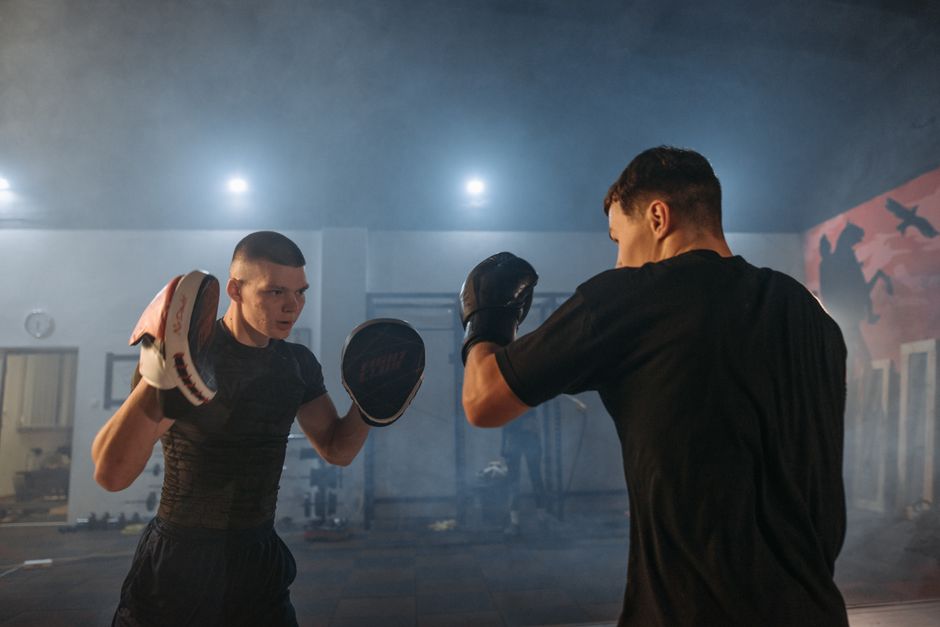
Tuesday night in fight camp: pad rounds, wrestling against the cage, then hard sparring to finish. The fighter drives home with taped hands, a sore shin, a bruise on the ribs and a 7 a.m. strength session on the calendar. Fight camp is a grind of two-a-days, and the right MMA recovery gear is about getting to the next session ready to work. Below is a plain look at what fighters and their coaches actually use, which tools are worth the money, and the free habits that matter more than any of them.
First, the free stuff that works
Before spending a dollar on gear, get these right. They do more for recovery than anything with a battery.
- Sleep. A 2021 expert consensus on sleep and athletes in the British Journal of Sports Medicine noted that many athletes regularly sleep less than seven hours and recommended an individual plan for sleep. With early sessions and late sparring, an afternoon nap can help fill the gap.
- Food and fluids. Two-a-days burn a lot of energy. Eat real meals with protein and carbs after training and drink through the day. If you’re cutting weight, plan the cut and the rehydration with your coach and a sports dietitian, not by skipping meals in camp.
- Hygiene. MMA mixes striking, wrestling and grappling on shared mats. The National Athletic Trainers’ Association’s position statement on skin diseases says athletes should shower after every practice, not share towels, bar soap or gear, and wash training clothes and towels every day. Skin infections can shut a gym down; a rash is a reason to stay off the mats and see a doctor.
- Smart sparring. Hard sparring every day leaves no time to recover. Many coaches keep full-power rounds to a minimum and use technical or light sparring the rest of the week.
- Respect head knocks. The CDC says concussion symptoms can take hours or days to appear and advises seeing a health care provider and not returning to play the same day. No gear on this page helps a concussion; time and medical advice do.
The MMA recovery gear worth owning
Prices change often. The prices below are what we saw at the maker or a major retailer in October 2026; check the current price before you buy.
TriggerPoint GRID 1.0 Foam Roller
- 13 x 5 in, hollow core
- Multi-density surface
- About $40
Theragun Prime (6th Gen)
- 5 speeds, pressure feedback
- Up to 2 hr battery
- Drop-tested to 10 ft
Hyperice Normatec 3 Legs
- 7 levels, 40–110 mmHg
- 5 zones with ZoneBoost
- Up to 3 hr battery
Ice Barrel 300
- 77 gal, up to 6 ft tall
- Chiller-ready ports
- Limited lifetime warranty
Foam roller: the cheapest tool that earns its place
A foam roller costs less than a pair of gloves and gets used every day: hips and quads after wrestling, upper back after a grappling session, calves after roadwork. A 2019 meta-analysis found foam rolling before training gave small gains in flexibility and sprint performance, and rolling afterwards slightly reduced how sore people felt. The TriggerPoint GRID 1.0 (about $40, 13 x 5 inches, hollow core) holds its shape and fits in a gym bag. More options in the best foam rollers.
Massage gun: for shins, traps and forearms
Fighters use massage guns on legs that took kicks (around the bruise, not on it), on traps and upper back after clinch work, and on forearms after grappling. The Theragun Prime (6th Gen) (about $330) has five speeds with pressure feedback, a battery of up to two hours and, per Therabody, is drop-tested to 10 feet, which matters in a busy gym. Keep it off the neck, the head, fresh bruises, swelling and broken skin. Compare others in the best massage guns.
Compression boots: legs between sessions
Pneumatic compression boots squeeze the legs in waves while you sit. Many fighters like them between morning and evening sessions or after a long run, mostly because their legs feel lighter afterwards. The Hyperice Normatec 3 Legs (about $899) has seven pressure levels from 40 to 110 mmHg, five zones and up to three hours of battery. It’s a big purchase for one person, which is why many gyms buy a pair for the team. See the best compression boots for cheaper options.
Cold tub: popular, but time it
A cold plunge after a hard sparring day is a fight-gym ritual, and many fighters like the way it feels. One caution: a 2015 study in The Journal of Physiology found that regular cold water immersion right after strength training reduced long-term gains in muscle size and strength. If you’re lifting in camp, keep plunges away from strength sessions. The Ice Barrel 300 (about $1,150) is an upright 77-gallon barrel for people up to about 6 feet tall, with an insulated lid and ports for an optional chiller (sold separately). Our Plunge vs Ice Barrel comparison goes deeper.
The small things in the bag
- Your own soap and towel. NATA’s advice is not to share them. Defense Soap makes bar soap with tea tree and eucalyptus oils (from about $6).
- Slides. For the walk from the mat to the shower and home.
- A big water bottle and a lunch box. Low-tech, but nothing helps two-a-days more than eating and drinking between them.
- Ice packs. For fresh knocks and bruised shins, a simple wrapped ice pack for short periods is what most gyms keep in the freezer.
A simple recovery day in fight camp
Here’s how the pieces fit together on a typical two-a-day. After the morning session: shower, eat breakfast, ten minutes on the foam roller for hips and upper back. Midday: lunch, water, a nap if the schedule allows, maybe 30 minutes in compression boots with your feet up. After evening sparring: shower again, ice any fresh knocks briefly, a few minutes of massage gun on tight forearms and traps, dinner, and lights out at a set time. On the lighter day, swap hard rounds for drilling, an easy swim or bike, and mobility work. None of it is fancy; done every day, it adds up.
How to build an MMA recovery kit on any budget
- Under $100: foam roller, your own soap and towel, slides, a good water bottle. That covers the basics.
- $150 to $350: add a massage gun for shins, traps and forearms.
- Gym or team budget: compression boots and a cold tub that the whole team shares. Clean shared gear between users.
- Always: sleep, food, smart sparring and a doctor’s check for head knocks, joint injuries and skin infections.
For grappling-specific advice, see jiu-jitsu recovery, and browse MMA & CrossFit recovery for more.
Safety: if you have a heart condition, high blood pressure or are pregnant, check with a doctor before cold plunges or compression boots. Don’t use a massage gun or compression on injuries, blood clots, swelling or broken skin without medical advice.
MMA recovery questions
What recovery gear do MMA fighters need first?
A foam roller, your own towel and soap, and good sleep and food habits. A massage gun is the next most useful step. Compression boots and cold tubs are nice to have, often bought by the gym rather than each fighter.
Is an ice bath good after MMA training?
Many fighters like how it feels after hard sparring. Research suggests regular cold plunges right after strength training can reduce strength and muscle gains, so keep them away from lifting sessions.
Can I use a massage gun on bruised shins?
Not directly on a fresh bruise or swelling. Many fighters work the muscles around it on a low setting. If a shin stays very painful, swollen or tender to touch on the bone, get it checked.
How do fighters recover between two-a-days?
Eat and drink soon after the first session, rest or nap, and keep one of the two sessions lighter. Compression boots or an easy mobility session between them are common extras.
When should I see a doctor instead of using recovery tools?
After any possible head injury, joint pain that doesn’t settle, numbness, a suspected fracture, or a new rash or skin sore. Recovery tools are for normal training soreness, not injuries.