



Mind Over Muscle: The Role of Mental Conditioning in Performance
In the realm of sports performance, the intricate interplay between physical training and mental conditioning cannot be overlooked. As athletes strive for excellence, understanding the psychological dimensions that influence training and performance becomes paramount. This analysis delves into the current trends in athletic training, emphasizing the critical role mental conditioning plays across various domains of performance.
Current Training Trends
Today, athletic training strategies are increasingly blending physical techniques with mental conditioning. Coaches and sports scientists recognize that mental resilience, focus, and motivation are just as essential as physical prowess. Regimens now incorporate mindfulness practices, visualization techniques, and mental rehearsals to enhance overall performance.
Strength and Conditioning Analysis
Strength and conditioning form the foundation of athletic performance. Scientific research has shown that a solid physical base enhances neural adaptations, which improves both strength and agility. Mental conditioning techniques, such as goal setting and positive self-talk, significantly boost motivation during these demanding training sessions, leading to better adherence and performance outcomes.
Endurance and Athletic Performance
Endurance training remains a critical focus for athletes in various disciplines. High-intensity interval training (HIIT) and continuous endurance workouts are widely adopted to increase VO2 max, a key marker of cardiovascular fitness. Mental toughness cultivated through psychological training helps athletes sustain effort during long-duration events, improving performance on race day.
Recovery and Regeneration
Recovery techniques are essential to facilitate optimal athletic performance and prevent burnout. Strategies such as active recovery, proper nutrition, and sleep hygiene are essential. Incorporating mental recovery methods, including mindfulness and relaxation techniques, can further enhance recovery outcomes by reducing stress and improving focus, ultimately ensuring athletes return stronger.
Mobility and Injury Prevention
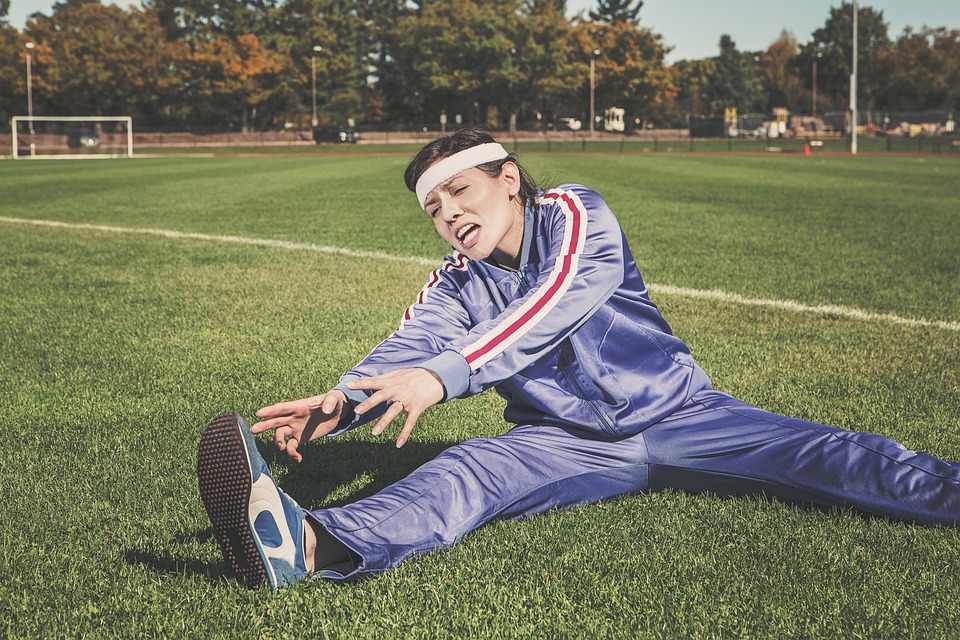
Mobility is crucial not only for performance enhancement but also for injury prevention. Routine flexibility training helps maintain optimal movement patterns. Psychological aspects like fear of injury and overthinking mechanics can hinder mobility. Training that incorporates mental conditioning, such as imagery of movements and skills, can help athletes overcome these barriers.
Wearables and Performance Tracking
The advent of wearable technology has revolutionized performance tracking in sports. Devices measuring heart rate, VO2 max, and other metrics enable athletes to monitor their training efforts closely. However, mental conditioning is crucial to interpret and utilize this data effectively. Athletes often need tailored strategies to manage data anxiety and maintain confidence in their training journey.
Common Training Mistakes
Several pitfalls exist in training regimens, including neglecting mental conditioning alongside physical training. Many athletes may overlook the significance of mental preparation, leading to suboptimal performance at crucial times. Balancing intensity, recovery, and psychological readiness is vital to prevent overtraining and maintain competitive edges.
Future of Athletic Performance
The future of athletic performance lies in a holistic approach to training. As sports science continues to advance, the integration of mental conditioning with traditional physical training will likely become more pronounced. Research is ongoing to establish more scientifically-backed mental resilience techniques that can be tailored to individual athlete needs.
Conclusion
In conclusion, mental conditioning plays a critical role in enhancing training and performance across various athletic domains. As athletes increasingly recognize the power of the mind in conjunction with physical training, the ultimate goal remains clear: optimizing both mental and physical attributes for peak athletic performance. Investing in mental conditioning will not only foster resilience but will also entrench a culture of holistic athleticism essential for success in sports.