
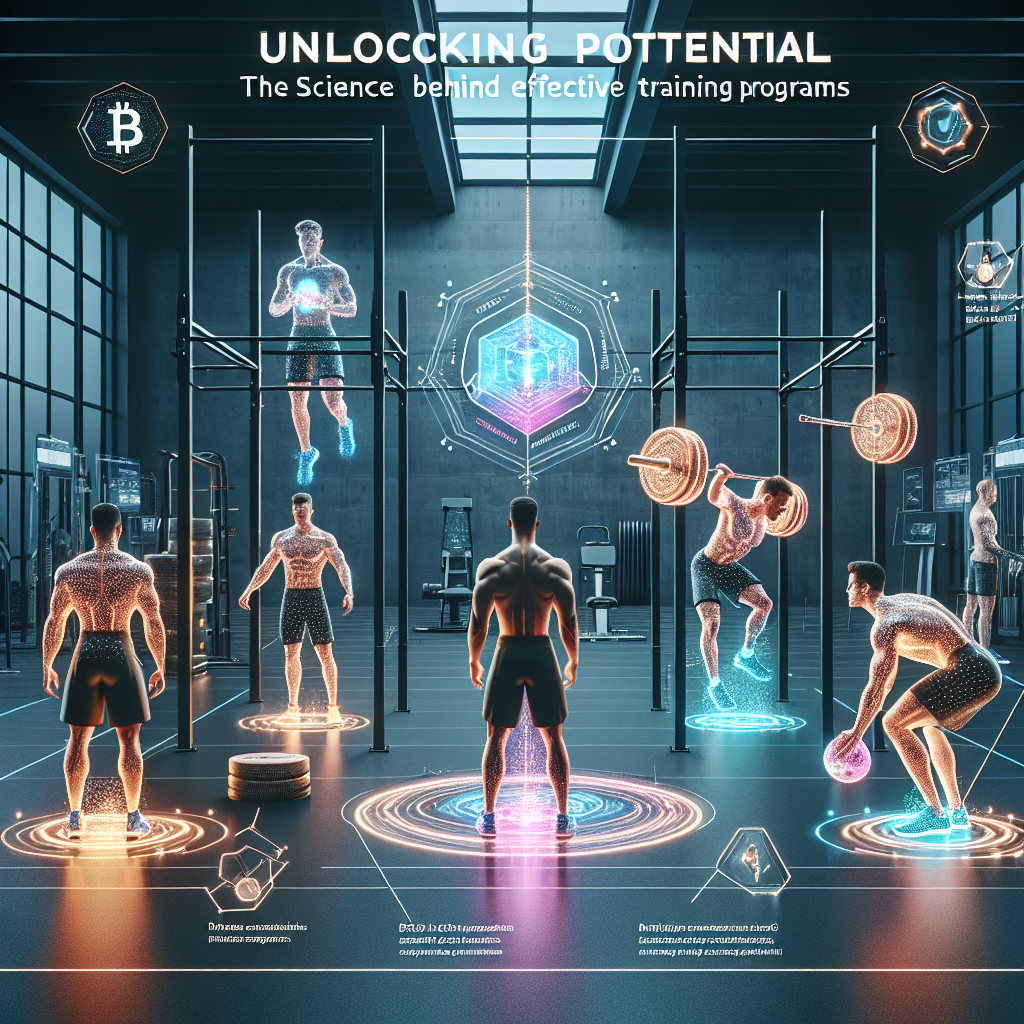

Unlocking Potential: The Science Behind Effective Training Programs
In the realm of sports performance, training programs are critical for optimizing athletic performance. Understanding the underlying science behind these programs forms the foundation for developing effective training methods tailored to individual needs. This article explores various facets of training, including strength and conditioning, endurance, recovery, mobility, and the role of technology in performance tracking.
Current Training Trends
Recent trends in athletic training emphasize a multifaceted approach combining strength, speed, and endurance development. Functional training, which focuses on movements utilized in specific sports, has gained popularity. Additionally, the integration of advanced technology—such as wearables—for real-time data collection is at the forefront of performance optimization strategies.
Strength and Conditioning Analysis
Strength and conditioning form the backbone of any effective training program. These require a carefully structured regimen to maximize muscle development and improve overall athletic performance. Evidence suggests that periodization, a systematic variation in training intensity and volume, is critical for preventing plateauing and encouraging continual adaptation.
- Resistance Training: Strength training using free weights, bodyweight exercises, and resistance bands has been shown to enhance muscle hypertrophy and power output.
- Olympic Lifts: These lifts not only increase strength but also improve speed and explosiveness, critical for athletic success.
Integrating plyometrics further aids in developing fast-twitch muscle fibers, contributing to enhanced propulsion and agility.
Endurance and Athletic Performance
Endurance training is essential for athletes, especially those involved in long-duration sports. High-intensity interval training (HIIT) is becoming increasingly popular due to its efficiency and effectiveness in improving cardiovascular fitness and VO2 max, a key indicator of an athlete’s conditioning level.
- Steady-State Training: Long, continuous efforts help build aerobic capacity and endurance.
- VO2 Max Training: Incorporating intervals at or above VO2 max challenges the cardiorespiratory system and enhances performance output.
Research highlights that a combination of these endurance techniques can lead to significant improvements in athletic performance.
Recovery and Regeneration
Optimal recovery techniques are pivotal for maintaining performance and longevity in sports. Effective recovery includes:
- Active Recovery: Low-intensity activities like light jogging can aid in muscle recovery and maintain blood flow.
- Sleep: Adequate sleep is essential for physical and mental recovery, directly influencing performance levels.
- Nutrition: Post-exercise nutrition, involving carbohydrates and protein, is vital for muscle repair and energy replenishment.
Incorporating modalities such as cryotherapy and foam rolling can also accelerate recovery, reducing delayed onset muscle soreness (DOMS).
Mobility and Injury Prevention
Mobility work is integral for injury prevention and overall athletic performance. Increased flexibility enhances movement efficiency and reduces the risk of injuries. Techniques such as dynamic stretching prior to training sessions are essential to prepare the body for performance. Incorporating static stretching during cool-downs helps improve range of motion.
- Corrective Exercises: Specific exercises designed to address muscle imbalances can further mitigate injury risks.
- Functional Movements: Training that mimics sports-specific actions can improve overall mobility and functional capacity.
Prioritizing mobility should be a staple in any comprehensive training regimen.
Wearables and Performance Tracking
In the era of technology, the increasing use of wearables has transformed performance tracking. These devices provide real-time data that athletes and coaches can utilize to monitor vital metrics such as heart rate, pace, and recovery. Such information can help refine training programs based on individualized responses to training loads.
- Data Analysis: Advanced analytics allow coaches to track performance trends over time, enabling evidence-based adjustments to training regimens.
- Biomechanical Feedback: Wearables can also provide insights into technique flaws, helping athletes improve efficiency and reduce injury risk.
Integrating these technologies not only enhances accountability but also provides a more tailored training experience.
Common Training Mistakes
Several common pitfalls often hinder athlete development:
- Neglecting Recovery: Many athletes overlook necessary recovery time, leading to burnout and injuries.
- Lack of Variation: Training the same way repeatedly can result in stagnation and overuse injuries.
- Insufficient Nutrition: Athletes may fail to fuel appropriately, impacting performance and recovery.
Awareness of these mistakes is crucial for making effective training decisions.
Future of Athletic Performance
The future of athletic performance training appears promising, with innovations in sports science paving the way for enhanced outcomes. Progress in genetic research and personalized nutrition holds the potential to optimize training further. Additionally, machine learning algorithms can analyze extensive performance data to predict injury risks and tailor recovery techniques.
Conclusion
Unlocking the potential of athletes through effective training programs relies on a robust understanding of sports science. A well-rounded approach addressing strength, endurance, recovery, mobility, and technology integration can significantly enhance athletic performance. As we continue to explore these realms, athletes will benefit from increasingly sophisticated training methodologies designed to transcend traditional boundaries.