
Unlocking Human Potential: The Rise of Biohacking
As society embraces the blending of technology and biology, biohacking has emerged as a significant force in enhancing human potential. Defined as the practice of using science, technology, and self-experimentation to optimize physical and mental performance, biohacking has taken center stage in discussions on human optimization.
Current Biohacking Trends
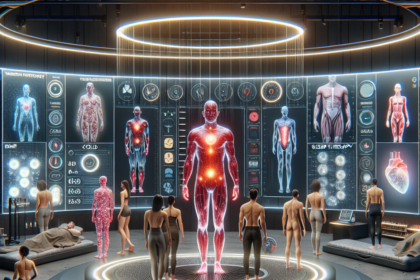
Biohacking trends are continuously evolving, influenced by scientific advancements and consumer demands. Key movements include increased interest in personalized medicine, the use of artificial intelligence for health assessments, and a growing focus on holistic wellness strategies. This convergence emphasizes enhancing individual performance through tailored interventions based on specific health metrics.
Wearable Technology and Biomarker Tracking
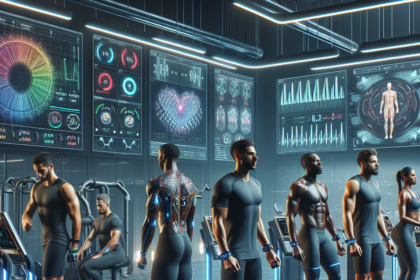
Wearable biohacking devices have become essential tools for real-time health monitoring. These devices facilitate biomarker tracking, allowing users to collect data on vital signs, activity levels, and metabolic processes. Popular devices include smartwatches, fitness trackers, and advanced biometric sensors. Insights gained from this data can guide personalized optimization strategies, offering users the power to make informed lifestyle choices.
Recovery and Sleep Optimization
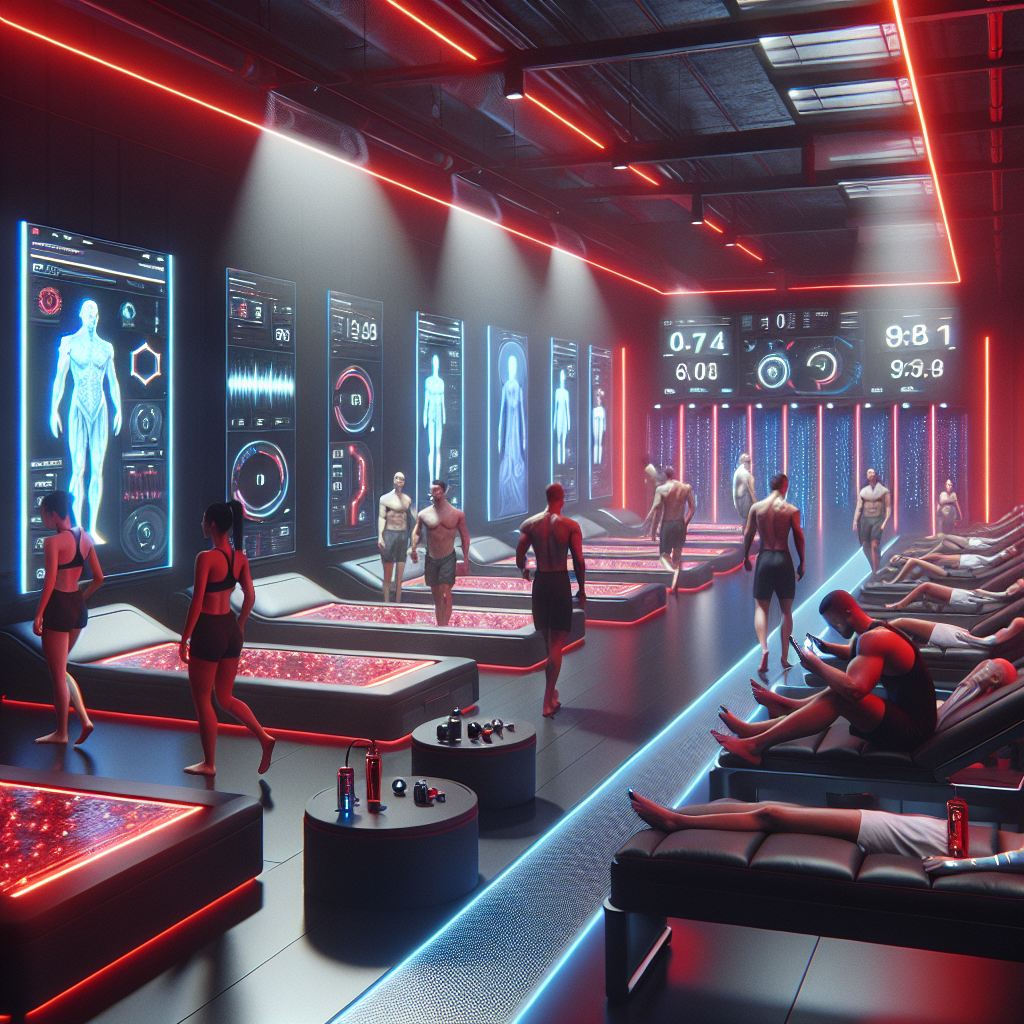
Recovery is paramount in any optimization strategy, with sleep playing a crucial role. Technologies that promote sleep optimization include sleep trackers and environmental adjustments, such as sound machines and blue light filters. Techniques such as red light therapy and cold therapy are also gaining traction for their potential in enhancing recovery, aiding muscle repair, and reducing inflammation.
Red light therapy has been shown in studies to stimulate mitochondrial function, which is essential for cell recovery. Cold therapy, commonly used as an ice bath or cryotherapy, can decrease muscle soreness and accelerate recovery post-exercise.
Performance Enhancement Methods
Biohacking offers various methods for performance enhancement, from nutritional interventions to cognitive enhancers known as nootropics. These cognitive enhancers—such as L-theanine, caffeine, and various choline sources—are purported to improve focus, increase mental clarity, and elevate mood. Emerging research continues to explore the efficacy and safety of these substances in everyday settings.
Longevity and Wellness Science
Longevity science has become a prominent area of interest within the biohacking community. Research into caloric restriction, fasting, and supplements that target metabolic pathways is ongoing, suggesting potential ways to extend lifespan and healthspan. Interventions such as NAD+ boosters and resveratrol are being studied for their roles in cellular repair and age-related decline.
Risks and Limitations of Biohacking
Despite its promising aspects, biohacking carries inherent risks. Self-experimentation without professional guidance can lead to unintended consequences, including adverse health effects. Moreover, the effectiveness and safety of many biohacking methods and supplements often require further scientific validation.
Consumer Adoption and Technology Growth
The rapid growth of consumer interest in wellness technology has accelerated the development of innovative biohacking solutions. More individuals are adopting wearable technology and biotracking tools as part of their daily routines. This trend indicates that as insights into human optimization become more accessible, the market for biohacking technologies is expected to expand significantly.
Future of Human Optimization
The future of human optimization is poised for substantial evolution, potentially integrating advancements in artificial intelligence, machine learning, and genomic data. Personalized health strategies that adapt to individual lifestyles are likely to become the norm, pairing technological sophistication with user-centric health initiatives.
Conclusion
Biohacking offers a compelling avenue for individuals seeking to enhance their performance, recovery, and overall wellness. As biohacking technology progresses and understanding deepens, so too will opportunities for unlocking human potential. However, the efficacy and safety of these methods should always remain a focal point of inquiry, aiming for a balanced approach to optimization.