
Introduction
In recent years, the landscape of health and wellness has been profoundly transformed by the emergence of biohacking technology. This innovative approach empowers individuals to take control of their own biological systems, aiming for enhanced physical and cognitive performance. By leveraging a combination of wearable technology, recovery methods, and scientific advancements, biohacking has become synonymous with human optimization.
Current Biohacking Trends
The biohacking movement encompasses a diverse array of practices designed to enhance health, longevity, and overall performance. Key trends include the utilization of smart wearables, the normalization of alternative therapies like red light therapy and cold therapy, and the systematic tracking of biomarkers. These approaches not only focus on physical aspects but also emphasize mental acuity through the use of nootropics.
Wearable Technology and Biomarker Tracking
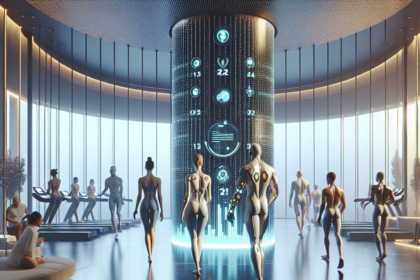
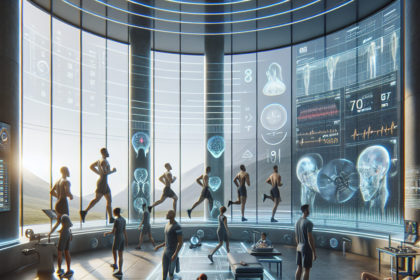
Wearable biohacking devices play a critical role in human optimization. Devices such as smartwatches and fitness trackers provide continuous biometric tracking, enabling users to monitor heart rate, sleep patterns, and physical activity levels. This data allows for personalized adjustments to health and wellness routines. Recent innovations in wearable technology have improved accuracy in tracking vital metrics, thus enhancing decision-making regarding lifestyle choices.
Recovery and Sleep Optimization
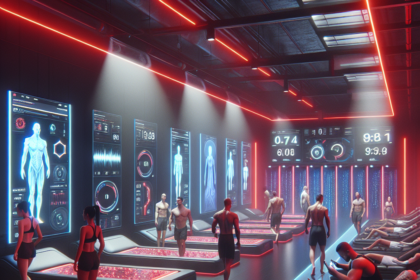
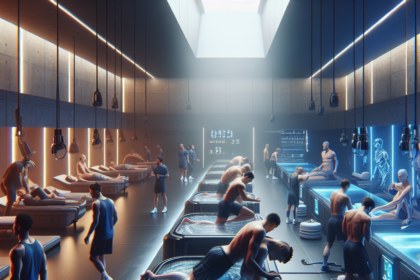
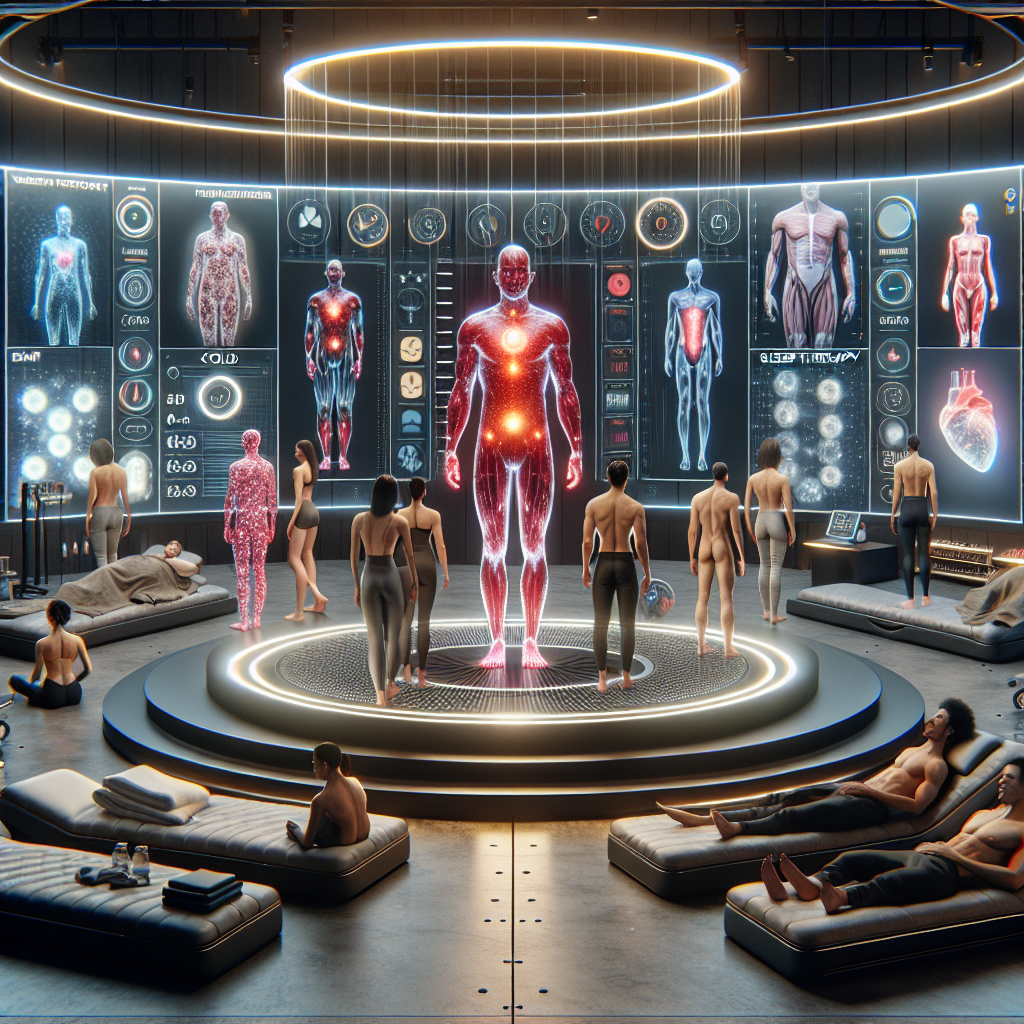
Recovery optimization is essential in any performance enhancement strategy. Technologies such as red light therapy and cryotherapy have gained traction as effective recovery tools. Red light therapy is thought to stimulate cellular repair and improve muscle recovery through enhanced mitochondrial function. Cold therapy, on the other hand, reduces inflammation and promotes faster recovery post-exercise. Furthermore, sleep optimization, facilitated by devices that track the sleep cycle, is crucial for physical and cognitive recovery. Quality sleep enhances hormonal balance, aids in muscle recovery, and boosts cognitive functions.
Performance Enhancement Methods
Performance enhancement through biohacking involves a multi-faceted approach. Nootropics, substances that enhance cognitive abilities, have become prevalent among athletes and biohackers alike. These compounds can improve focus, memory, and overall cognitive function. Additionally, metabolic optimization techniques, such as manipulating diet and employing fasting strategies, have shown promise in enhancing physical performance and body composition.
Longevity and Wellness Science
Longevity science is a pivotal aspect of biohacking, focusing on extending lifespan while promoting health in later years. Strategies like caloric restriction and nutrient-sensing hinge on promoting cellular repair and reducing oxidative stress. Moreover, personalized wellness technology utilizes genetic and epigenetic information to tailor health recommendations, aiming to enhance not just lifespan but healthspan—the duration of life spent in good health.
Risks and Limitations of Biohacking
While biohacking offers significant benefits, it is crucial to acknowledge its risks and limitations. Over-reliance on technology may lead to an inaccurate interpretation of health metrics. Additionally, some biohacking practices may lack extensive scientific validation, leading to potential health risks. Therefore, individuals should approach biohacking methodologies with a critical mindset and consider consultation with health professionals when making significant lifestyle changes.
Consumer Adoption and Technology Growth
The adoption of biohacking and wellness technology continues to rise as consumers become more health-conscious. Market growth is driven by increasing awareness of personal health metrics, advancements in technology, and a desire for enhanced performance. As consumers seek effective solutions for health optimization and longevity, the biohacking industry is poised for substantial growth.
Future of Human Optimization
The future of human optimization appears bright, with emerging technologies set to revolutionize the way we approach health and wellness. Factors such as artificial intelligence, advanced genetic testing, and personalized medicine are expected to further enhance biohacking efforts. As research continues to evolve, biohacking may soon become an integral part of mainstream health practices.
Conclusion
Biohacking technology has redefined human limitations, offering pathways to enhanced performance, recovery, and longevity. By integrating evidence-based practices, individuals can leverage biohacking to optimize their health and well-being. However, it is imperative to navigate this domain with informed caution, ensuring a balanced approach to health enhancement and longevity.