

Unlocking the Secrets of Longevity: Insights from Cutting-Edge Research
Longevity has become a focal point for scientists, health professionals, and individuals striving for a longer, healthier life. This article synthesizes the latest research and insights in longevity science, presenting strategies for healthy aging and lifespan optimization.
Current Longevity Trends
The surge of interest in longevity has coincided with advances in medical science, biotechnology, and wellness practices. Studies demonstrate that lifestyle choices significantly impact human longevity, emphasizing the importance of metabolic health, nutrition, and physical activity.
Current trends highlight:
- Increased research funding dedicated to aging-related studies.
- Emerging fields such as geroscience, focusing on the biology of aging.
- Public awareness of age-related health issues leading to preventive healthcare measures.
Sleep, Recovery, and Healthy Aging
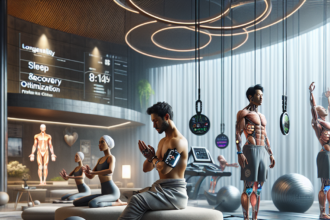
Quality sleep is essential for recovery and longevity. Research indicates that sleep deprivation accelerates aging at the cellular level, impacting metabolic processes and cognitive function. Effective recovery strategies can enhance overall health and facilitate healthy aging.
Key insights include:
- Regular sleep patterns increase proliferation of telomeres, which play a role in cellular health.
- Techniques such as mindfulness and meditation have been shown to improve sleep quality.
- Sleep hygiene practices, including avoiding screens before bed, significantly enhance restorative sleep.
Nutrition and Metabolic Health
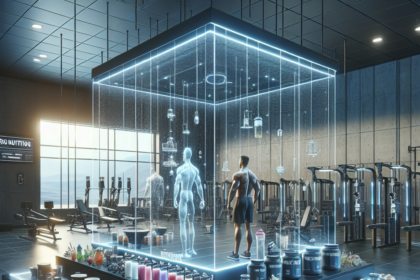
Nutritional choices are paramount in the context of longevity science. Evidence suggests that diets rich in whole foods, particularly plant-based options, promote metabolic health and can prevent age-related diseases. Key dietary components for longevity include:
- High-quality proteins, particularly from plant sources.
- A variety of fruits and vegetables rich in antioxidants.
- Healthy fats, like omega-3 fatty acids, which support heart and brain health.
Fitness and Human Performance Longevity
Regular physical activity supports not only metabolic health but also cognitive function and emotional well-being. The relationship between fitness and longevity is well-documented, emphasizing:
- Cardiovascular exercises improve heart health and reduce mortality risk.
- Strength training enhances muscle mass and bone density, critical components of healthy aging.
- Balance and flexibility exercises prevent falls and enhance quality of life.
Wellness Technology and Biohacking
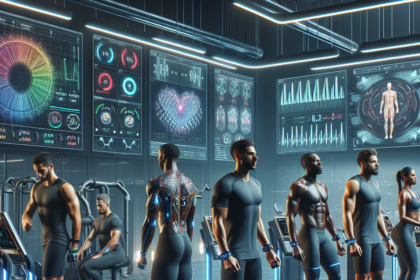
Advancements in wellness technology have revolutionized personal approaches to longevity. Wearable devices help individuals track fitness, sleep, and metabolic health metrics. Biohacking, which encompasses self-experimentation to optimize health, is also gaining recognition.
Innovative technologies include:
- Blood glucose monitors to manage metabolic health.
- Sleep trackers that analyze sleep patterns for improvement.
- Supplements aimed at enhancing cellular health, such as NAD+ boosters.
Risks and Limitations of Longevity Trends
While the pursuit of longevity is promising, several risks must be considered. Misinformation in the wellness industry can lead to unproven interventions, and unregulated supplements may pose health risks. Additionally, the psychological implications of pursuing extreme longevity can affect well-being.
Consumer Interest and Wellness Growth
Consumer interest in longevity and wellness optimization has surged, as individuals seek informed and evidence-based strategies to extend life. This has spurred growth in the wellness market, with an increasing emphasis on products and services that promote longevity.
Future of Longevity Science
The future of longevity science appears bright, as ongoing research promises to unveil new insights into the aging process. Areas with potential breakthroughs include:
- Gene therapy aiming to repair age-related cellular damage.
- Regenerative medicine techniques to rejuvenate aging tissues.
- Artificial intelligence in predicting individual health trajectories.
Conclusion
Unlocking the secrets of longevity hinges on a balanced approach to healthy aging. By embracing evidence-based strategies in nutrition, fitness, sleep, and technology, individuals can optimize their lifespan and improve overall quality of life. As research continues to evolve, the integration of these findings into daily practice will be paramount for achieving long-term wellness.