
Unlocking the Secrets of a Longer Life: Insights from Centenarians
As global life expectancy continues to rise, interest in understanding the habits and lifestyles that contribute to longevity takes center stage. Centenarians—individuals aged 100 or older—serve as inspirational case studies, offering invaluable insights into the science of longevity, healthy aging, and lifespan optimization.
Current Longevity Trends
The field of longevity science is evolving rapidly, fueled by research advancements in genetics, epigenetics, and environmental influences. Studies indicate that lifestyle choices, including diet, exercise, and social interactions, play a crucial role in determining lifespan. Places referred to as “Blue Zones,” such as Okinawa in Japan and Sardinia in Italy, exhibit remarkable clusters of centenarians, underlining the importance of their environmental and social contexts.
Sleep, Recovery, and Healthy Aging
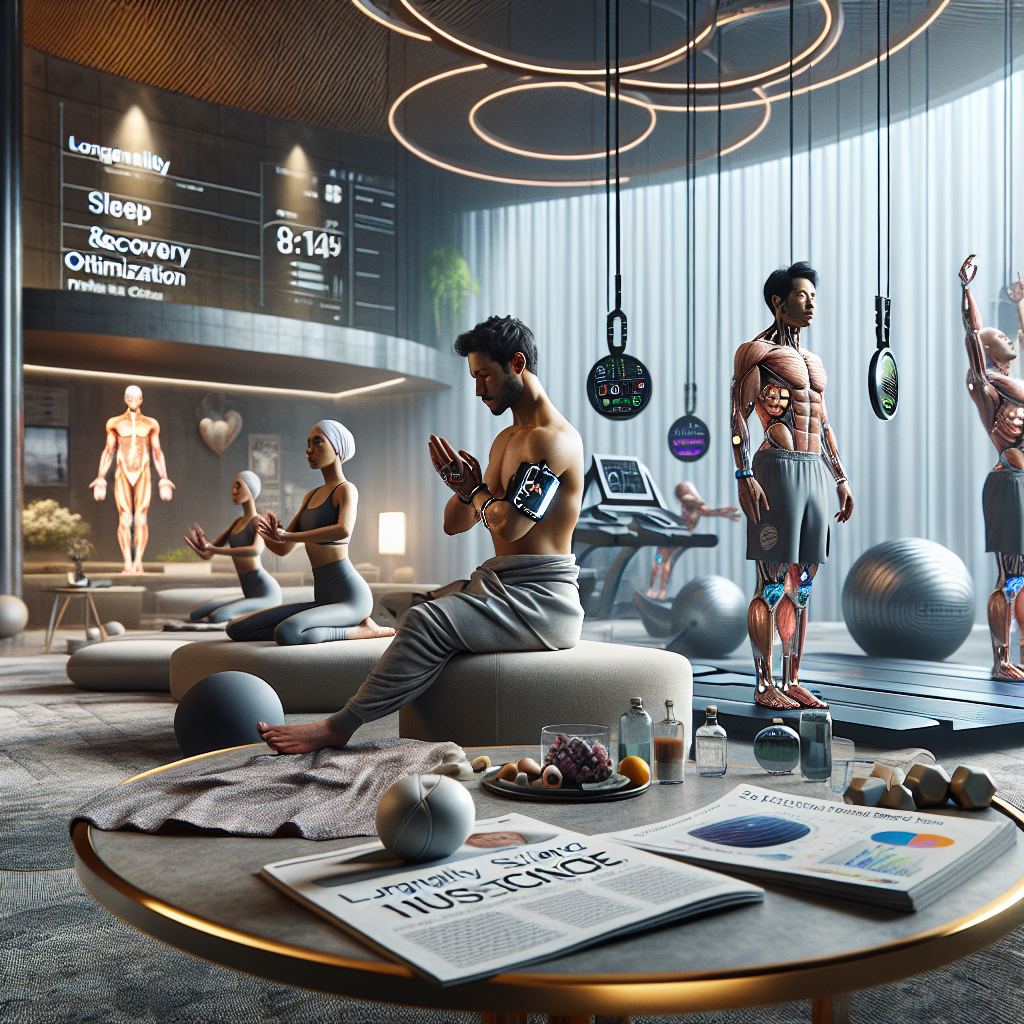
Quality sleep is widely recognized as a cornerstone of healthy aging. Research suggests that restorative sleep enhances cognitive function, metabolic health, and emotional resilience. Individuals who log 7-9 hours of sleep nightly tend to experience improved recovery pathways, which are crucial for cellular maintenance. Poor sleep patterns can lead to chronic health conditions, demonstrating the intricate link between sleep quality and longevity.
Nutrition and Metabolic Health
Nutrition plays a pivotal role in promoting metabolic health and longevity. Centenarians often consume whole, minimally processed foods. Diets rich in fruits, vegetables, lean proteins, and healthy fats can help regulate metabolic functions. Caloric restriction is another factor noted in longevity studies, where a lower caloric intake may prolong lifespan while providing essential nutrients. A balanced diet can mitigate the effects of chronic diseases linked to aging.
Fitness and Human Performance Longevity
Physical activity is a key pillar of longevity. Regular exercise contributes to enhanced cardiovascular health, muscular strength, and mobility, all of which are crucial as individuals age. Research indicates that moderate, consistent exercise can significantly lower the risk of age-related ailments, thus promoting human performance longevity. Progressive resistance training, coupled with aerobic activities, can optimize overall health and longevity.
Wellness Technology and Biohacking
Advancements in wellness technology and biohacking strategies are becoming increasingly popular among those interested in human longevity. Tools such as wearables can monitor biometrics, helping individuals make informed lifestyle decisions. Techniques aimed at optimizing hormonal balance, mitochondrial efficiency, and gut health are gaining traction. While the efficacy of biohacking varies, many strategies align with established principles of longevity science.
Risks and Limitations of Longevity Trends
Despite the growing interest in longevity, it is important to approach these trends with caution. Some commercial products marketed for longevity may lack scientific backing or pose health risks. Moreover, not all interventions are universally applicable. Individual genetics, existing health conditions, and personal preferences should always be considered when exploring longevity strategies.
Consumer Interest and Wellness Growth
The burgeoning wellness industry reflects a significant consumer interest in longevity and healthy aging. In an era where individuals are increasingly health-conscious, services and products promoting longevity have seen substantial growth. From specialized diets to fitness programs, the market responds to the demand for tools that promise enhanced well-being and extended lifespan.
Future of Longevity Science
As research delves deeper into the biological mechanisms behind aging, the future of longevity science looks promising. Innovations in genomics, regenerative medicine, and personalized health strategies may offer new avenues for extending healthy lifespan. Combined with ongoing studies in lifestyle interventions, future advancements may empower individuals to make informed choices that enhance their longevity.
Conclusion
Unlocking the secrets of a longer life requires a multifaceted approach that encompasses sleep, nutrition, fitness, and emerging technologies. The insights from centenarians provide a roadmap to longevity, emphasizing the importance of a holistic lifestyle. While the pathways to a longer, healthier life may differ among individuals, the principles of longevity science can guide us toward a future marked by robust aging and enhanced well-being.