



Introduction
The pursuit of athletic endurance in running has captivated athletes and researchers alike. Understanding the complex interplay between physiological mechanisms, training methodologies, and recovery practices is vital for optimizing running performance, particularly in marathon and distance events. This article delves into the science of endurance running, providing insights into current trends, performance metrics, and practical recommendations for runners.
Current Running and Endurance Trends
Over the past decade, there has been a notable shift toward data-driven approaches in endurance sports. Popular trends include personalized training regimens, increased focus on nutrition, and the use of wearable technologies. Runners are increasingly aware of the significance of heart rate monitoring and recovery metrics, enabling tailored training plans that enhance performance while minimizing the risk of injury.
Running Performance and Conditioning
Running performance is influenced by several factors including aerobic capacity, muscular strength, and neuromuscular function. Conditioning for endurance running typically revolves around building aerobic endurance through long runs, tempo runs, and interval training. These methods help increase both the distance runners can cover and the speed at which they can sustain a run.
- Aerobic endurance is enhanced through consistent training that increases the number of mitochondria in muscle cells, improving energy production.
- Incorporating speed training into a regimen can elevate a runner’s lactate threshold, enabling them to run faster for longer without fatigue.
VO2 Max and Endurance Analysis
VO2 max, the measure of the maximum volume of oxygen the body can utilize during intense exercise, is a critical metric for endurance athletes. A higher VO2 max indicates superior cardiovascular fitness, allowing runners to perform at a higher intensity for longer periods. Training to improve VO2 max typically involves high-intensity interval training (HIIT) and prolonged distances at varying paces. Research shows that a 10-15% increase in VO2 max can significantly enhance running performance, particularly in marathon training.
Recovery and Mobility for Runners
Running recovery is essential for sustaining high performance and includes both active and passive recovery strategies. Active recovery, such as light jogging or swimming, helps maintain blood flow to the muscles, aiding in nutrient delivery and waste removal. Moreover, emphasizing mobility and flexibility through dynamic stretching and foam rolling is crucial for maintaining an optimal range of motion, which impacts running efficiency.
Injury Prevention and Running Mechanics
Injury prevention in running is heavily reliant on biomechanics. Analyzing running form helps to identify and correct inefficiencies that can lead to injuries such as shin splints, tendinitis, and stress fractures. Key biomechanical factors include:
- Foot strike patterns
- Pelvic alignment
- Knee positioning during the stride
Implementing techniques such as strength training focused on core stability and lower limb strength can significantly mitigate injury risks.
Wearable Technology and Running Data
The incorporation of wearable technology has transformed the landscape of running performance analysis. Devices that monitor heart rate, pace, distance, and biometric data empower runners with insights into their training. The key benefits of these technologies include:
- Real-time feedback for adjusting training sessions
- Longitudinal tracking of performance metrics over time
- Identification of trends in recovery and fatigue
This data can lead to more informed decisions, allowing athletes to optimize their training schedules effectively.
Common Running Mistakes
Even experienced runners can fall prey to common mistakes that hinder performance. These include:
- Neglecting recovery time, leading to overtraining
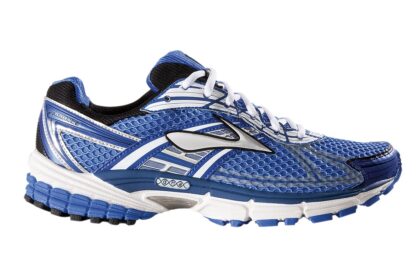
- Ignoring proper footwear, which is vital for biomechanics
- Focusing exclusively on mileage while neglecting speed training
Addressing these mistakes can lead to significant improvements in running performance.
Future of Running Performance
The future of running performance will likely see further advancements in scientific research and technology. Innovations in training methods, nutrition, and wearable technology will play critical roles in enhancing athletic endurance. Emphasis on recovery practices and mental aspects of training, such as visualization techniques and mental resilience, is expected to gain more attention as well.
Conclusion
Understanding the science behind athletic endurance is crucial for optimizing running performance, especially in marathon and distance events. By focusing on conditioning, recovery, biomechanics, and technology, runners can enhance their capabilities and push the limits of their endurance. Staying informed about current trends and applying evidence-based strategies will help athletes continue to achieve their performance goals safely and effectively.