



Revitalize Your Recovery: The Future of Wearable Tech
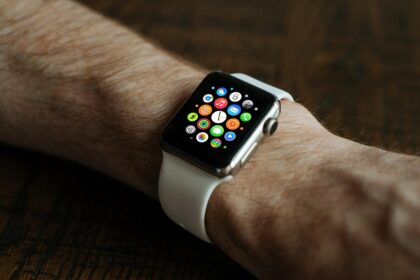
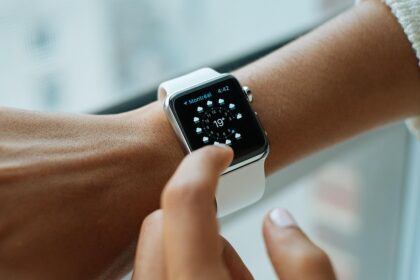
Wearable fitness technology has made significant strides in recent years, evolving from simple step counters to sophisticated devices capable of monitoring a range of biometric data. As athletes and fitness enthusiasts seek to optimize performance and recovery, the future of wearable technology holds exciting possibilities.
Current Wearable Technology Trends
The wearable fitness technology landscape is rapidly changing. With an increasing focus on health and well-being, consumers are flocking to devices that offer insights into their daily physical activities, biometric metrics, and recovery processes. Innovations like multi-sensor tracking, real-time data analysis, and connectivity to mobile applications are empowering users to take a proactive approach to their fitness journeys.
Athlete Monitoring and Biometric Tracking
Athlete tracking technology plays a crucial role in performance enhancement. Wearable devices equipped with biometric tracking capabilities can monitor heart rate, oxygen saturation, Vo2 max, and even lactate threshold. This data enables athletes to train more effectively by providing insights into their physiological responses to workouts.
- Heart Rate Variability (HRV) monitoring can indicate recovery status.
- Continuous glucose monitoring provides insights into metabolic responses during exercises.
- GPS tracking allows athletes to assess distance, speed, and route efficiency.
Recovery and Sleep Tracking Systems
Recovery is a critical component of athletic performance. Wearable recovery devices that track sleep patterns, recovery heart rate, and muscle fatigue are becoming standard features. Devices like smartwatches and fitness bands now come equipped with sleep-analysis algorithms that provide insights on sleep cycles, quality, and duration.
- Initial data shows a correlation between increased sleep quality and improved athletic performance.
- Monitoring resting heart rate post-training informs on recovery stage.
AI and Smart Fitness Devices
AI fitness wearables represent the cutting edge of technology integration into fitness routines. Machine learning algorithms analyze data collected over time to identify patterns in an athlete’s performance and recovery, offering personalized workout recommendations. This proactive approach enhances the adaptability of training plans based on individual needs.
- Customized training regimens tailored to personal biometric data are now achievable.
- Real-time feedback on form and technique is becoming common with advanced sensors.
Sports Science and Performance Analytics
Sports performance wearables enhance the capabilities of sports science by translating complex data into actionable insights. Performance analytics not only track physical metrics but also psychological markers like stress levels and motivation, thereby providing a holistic view of an athlete’s well-being.
- Wearable devices now include features for mental wellness and stress management.
- Data visualization tools empower athletes to understand their performance metrics better.
Risks and Limitations of Wearables
Despite the benefits, wearable fitness technology poses limitations and risks. Data accuracy varies by device, and over-reliance on metrics can lead to injury or burnout. While wearables provide valuable insights, they should not replace professional coaching or medical advice.
- False readings in heart rate and calorie tracking could mislead users.
- Privacy concerns around data collection and sharing require careful consideration.
Consumer Adoption and Market Growth
The adoption of fitness tracking technology continues to grow, driven by increased health awareness and technological advancements. According to market reports, the wearable technology sector is expected to expand significantly, showcasing an increasing interest in smart fitness devices among diverse demographics, from casual users to elite athletes.
- Increased accessibility of wearable technology through competitive pricing has fueled growth.
- Brand collaborations with sports organizations enhance credibility and visibility.
Future of Wearable Performance Technology
The future of wearable performance technology lies in continuous innovation. Advances in sensor technology, AI, and data analytics will likely yield even more powerful tools for monitoring human performance. Anticipated developments include integrated health monitoring systems, advanced recovery algorithms, and even wearables designed specifically for mental agility during competition.
- Integration with virtual reality for simulated training environments.
- Wearables that provide real-time feedback on emotional and mental state.
Conclusion
As wearable fitness technology evolves, it is poised not only to enhance individual athletic performance but also to redefine the future of sports. With continuous advancements in biometric tracking, recovery monitoring, and AI, athletes stand to gain unprecedented insights into their training and recovery processes, ultimately leading to enhanced performance and well-being.