



Revolutionizing Performance: How Athlete Tracking Technology is Changing the Game
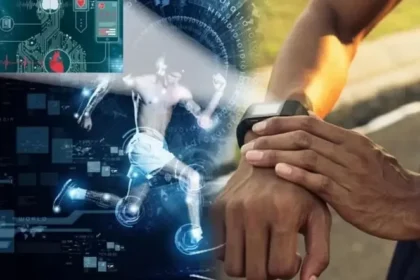
In recent years, the landscape of athletic training and performance improvement has dramatically transformed due to advancements in wearable fitness technology. These devices provide real-time data that athletes and coaches can leverage to enhance performance, monitor health, and optimize training regimens. This article delves into the various components of athlete tracking technology and its implications for sports performance.
Current Wearable Technology Trends
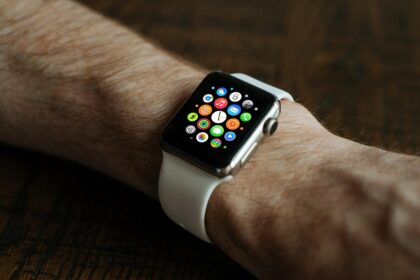
The market for wearable fitness technology has seen exponential growth. Devices range from smartwatches to specialized sensors that monitor everything from heart rate to oxygen levels. Current trends indicate that integration with mobile applications is vital, making data accessible and actionable. This has increased the appeal for both recreational and professional athletes, emphasizing the importance of user-friendly interfaces.
Athlete Monitoring and Biometric Tracking
Wearable fitness technology includes biometric monitoring systems that capture a wide range of physiological data. Common metrics include heart rate variability (HRV), oxygen saturation, and lactate threshold. These metrics are valuable for assessing an athlete’s performance and recovery needs. By understanding an athlete’s biometric data, coaches can adjust training loads, set appropriate recovery strategies, and ultimately improve performance outcomes.
Recovery and Sleep Tracking Systems
Recovery is crucial to an athlete’s performance cycle. Wearable recovery devices have evolved to track sleep quality, stress levels, and overall recovery status. Improved sleep tracking technology, including sleep stages, provides athletes insight into their recovery processes. Research indicates that sleep duration and quality directly impact athletic performance, making these features indispensable for serious competitors.
AI and Smart Fitness Devices
The integration of artificial intelligence into fitness wearables is revolutionizing how data is interpreted and utilized. AI fitness wearables can analyze patterns, predict performance outcomes, and offer customized training suggestions. This technology utilizes machine learning algorithms to better understand an athlete’s unique responses to training stimuli, hence providing a personalized training experience.
Sports Science and Performance Analytics
Sports performance wearables are becoming increasingly sophisticated in their analytics capabilities. High-performance athletes leverage data such as power output, speed, and cadence to refine techniques. These insights are crucial for understanding and improving various performance aspects, leading to significant gains in endurance and overall effectiveness in competition.
Risks and Limitations of Wearables
While the benefits of wearable fitness technology are tangible, certain risks exist. Data accuracy can vary between devices, and overly relying on technology without understanding the underlying principles can be detrimental. Furthermore, mental health implications associated with data obsession, such as anxiety over performance metrics, are potential downsides that warrant consideration.
Consumer Adoption and Market Growth
As the consumer market continues to embrace fitness tracking technology, sales of wearable devices have surged. Factors contributing to this growth include enhanced features, accessibility, and increased health consciousness among consumers. With major tech companies entering the sports performance arena, innovations continue to emerge, making wearable devices more appealing to a broader audience.
Future of Wearable Performance Technology
Looking ahead, we can expect further advancements in wearable technology capabilities. Innovations may include smaller, more efficient sensors, better integration with smart environments, and enhanced data analytics. Future wearables might also focus on predictive analytics, offering insights into performance declines before they occur. The ongoing fusion of technology and sports science anticipates an era of highly personalized and effective training methodologies.
Conclusion
Athlete tracking technology is undeniably revolutionizing performance in the sporting world. By harnessing the power of biometric tracking, recovery systems, and advanced analytics, athletes can gain a competitive edge. As technology continues to advance, the potential for performance optimization through wearable fitness technology will only grow, shaping the future of athletics for across all levels.