
Measuring Success: How AI Performance Metrics are Shaping Industries
In the realm of sports, the integration of artificial intelligence (AI) has given rise to transformative changes in performance metrics and training methodologies. By harnessing the capabilities of AI performance optimization, athletes can achieve previously unreachable milestones, significantly enhancing their skills and well-being.
Current AI Performance Trends
One of the defining trends in sports today is the application of AI in performance analysis. Teams and athletes are increasingly relying on AI-driven tools to extract valuable insights from vast datasets. These metrics are crucial for developing targeted training programs and strategies that cater to individual athlete needs, leading to optimized outcomes.
Wearable Technology and Athlete Tracking
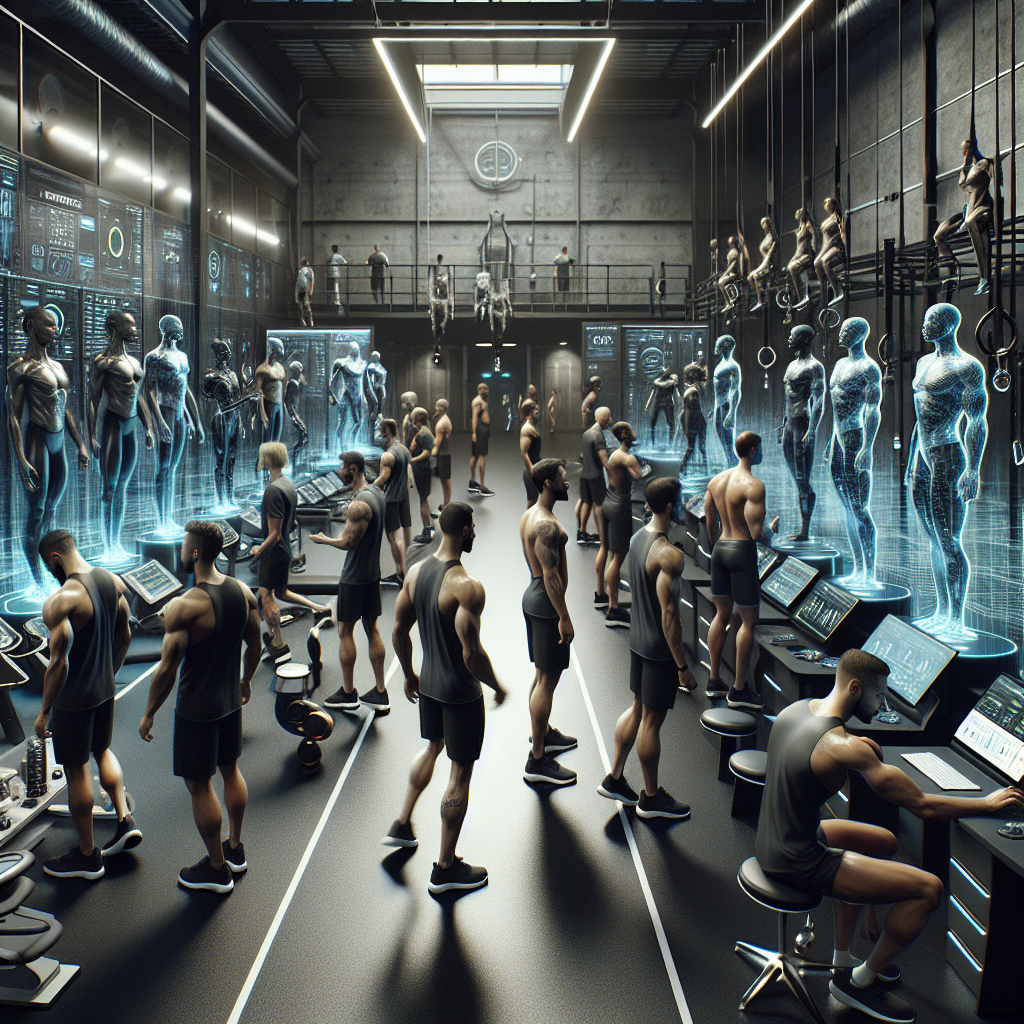
Wearable fitness technology such as smartwatches, heart rate monitors, and GPS devices play a pivotal role in AI athlete tracking. These devices continuously gather biometric data, enabling real-time monitoring of critical parameters like heart rates, motion patterns, and hydration levels. AI algorithms processes this data, allowing coaches and athletes to make informed decisions regarding training adjustments.
AI Coaching and Smart Training Systems
AI coaching platforms are revolutionizing the way athletes train. These intelligent fitness systems utilize machine learning algorithms to tailor training programs based on historical performance data and real-time analytics. By providing insights tailored to individual strengths and weaknesses, these systems facilitate more effective training regimens and improve athlete performance analysis.
Recovery and Biometric Analysis
Recovery is integral to athletic performance, and advanced biometric fitness tracking systems are gaining ground. These systems assess physiological metrics, including muscle fatigue and recovery times, enabling athletes to better manage their recovery processes. AI algorithms can predict optimal recovery windows and recommend personalized recovery strategies to enhance performance.
Injury Prevention Through AI
Injury prevention is a significant focus within sports science technology. AI systems analyze an athlete’s biomechanics and training loads, identifying patterns that may lead to injuries. Predictive models improve the accuracy of injury forecasts, empowering coaches and athletes to implement preventative measures and reduce downtime.
Data Analytics and Human Performance
The role of data-driven athletic training cannot be overstated. By utilizing AI in performance optimization, coaches can harness comprehensive analytics to inform decisions. The integration of multi-faceted data points, including performance metrics, competition insights, and athlete feedback, fosters a nuanced approach to training and strategy development.
Risks and Limitations of AI Fitness
Despite numerous benefits, the reliance on AI fitness tools also comes with risks. Over-reliance on data can lead to a potential oversight of an athlete’s qualitative aspects, like motivation and mental toughness. Additionally, as wearable technology becomes ubiquitous, concerns regarding data security and privacy may arise.
Future of AI Sports Performance
Looking ahead, the future of AI in sports performance appears promising. As technology continues to evolve, we can expect advancements in AI capabilities, leading to even more accurate performance metrics and training tools. The intersection of sports science and AI will likely foster innovative solutions, continuously pushing the boundaries of human performance technology.
Conclusion
The integration of AI performance metrics into sports technology has become paramount for optimizing athlete performance. By leveraging AI athlete tracking and smart fitness technology, the sports community can improve training efficiency and enhance recovery protocols. As we navigate the future, the commitment to integrating data-driven insights will continue to shape the athletic landscape substantially.