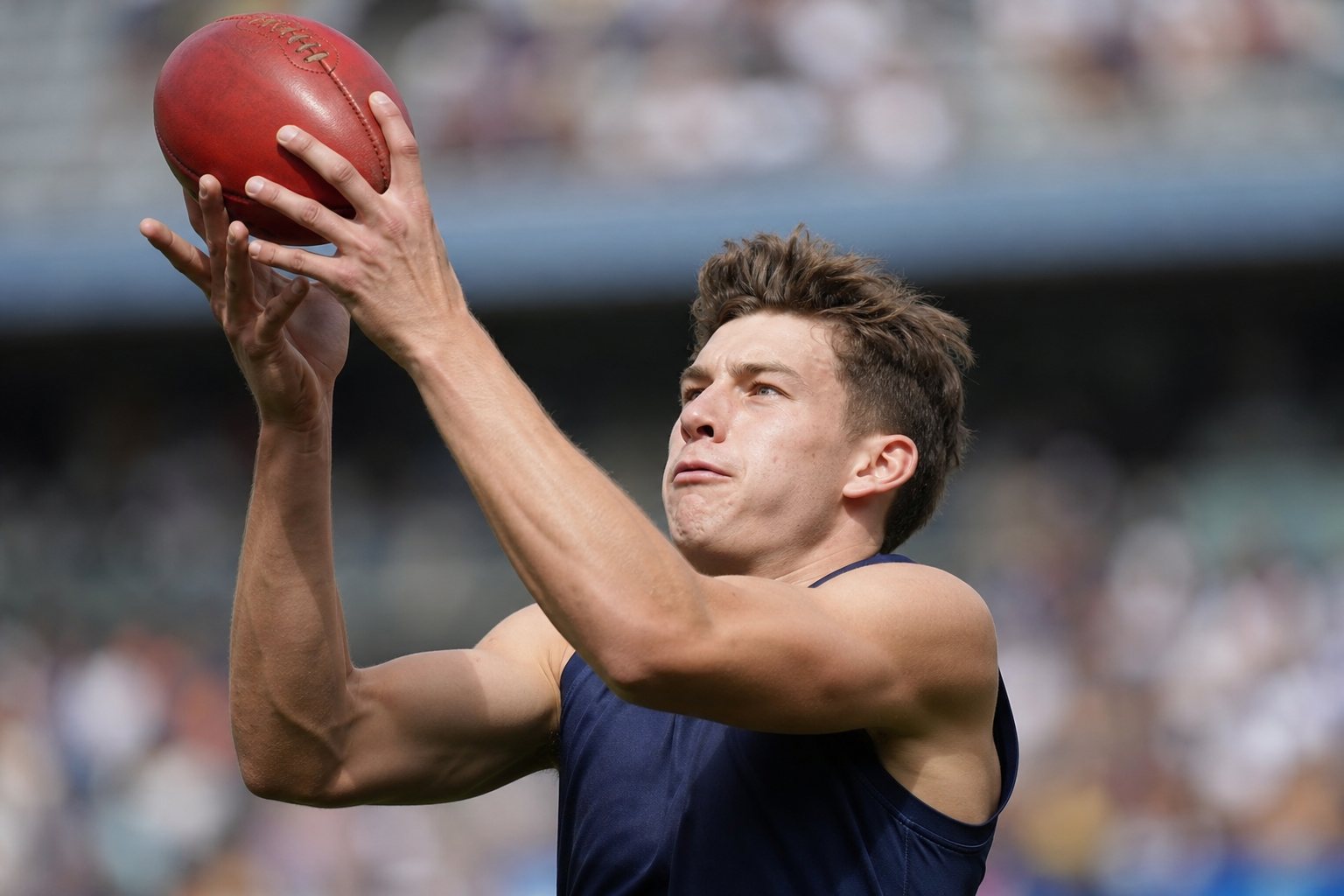
A player rises for a mark, lands awkwardly, and stays down holding the back of the thigh. Another, a few minutes later, is tackled hard and sits out the rest of the quarter with a head knock. Australian rules football injuries follow patterns: hamstring and calf strains from sprinting, knee and ankle sprains from landing and cutting, shoulder injuries from tackles, and head injuries from collisions. This page shows what published surveillance says about those patterns and the general principles of rehabilitation. It does not diagnose anything or clear anyone to play.
Quick answer: In AFL surveillance, hamstring strains cost the most missed games, followed by shoulder injuries; in junior community football the head is the most often injured region. Anyone with a suspected concussion should be removed from play the same day and only a health care provider decides on return (CDC HEADS UP). See a sports medicine doctor, physical therapist or athletic trainer for any injury that does not settle, and call 911 for danger signs.
To lower risk, see the injury prevention page. Rest and soreness are on the recovery page. The sport overview is on the hub.
The big picture in the numbers
A 2018 Sports Health review of AFL injury surveillance reported 41.7 injuries per club in the 2015 season. Lower-limb injuries were the most common. Hamstring strains were the largest cause of lost games at 19.1 missed games per club per season, and shoulder injuries (sprains and dislocations from tackles and contact) were 11.5. The review found concussion less common than in other tackling sports. A 20-season analysis (1997 to 2016) found match injuries were about 2.8 times as common as training injuries.
Community players differ from the AFL. In a study of 439 injured junior community players in Victoria in 2022 (354 answered the follow-up survey), the head was the most commonly injured region (54.8%), with about half of those head injuries diagnosed or suspected concussion; the ankle (8.2%), knee (6.8%) and shoulder (5.6%) followed. Contact caused 94.9% of injuries, and tackling was the situation behind 45.2%. For women and girls, a 2025 survey of 2,435 Victorian community players found 25% had a current injury and 51% a previous significant one. The knee (26% of current injuries), ankle (21%) and hand or fingers (16%) were the most common sites; 6% reported a previous ACL injury and 55% a previous concussion.
Hamstring, calf and thigh strains
Sprinting and collecting the ball while running are the usual stories. In a 2025 study of 299 elite men, 67 hamstring strains happened across 408 player-seasons (16.4%). For calf muscles, the AFL’s injury registry recorded 563 calf strains in 359 players across 10 seasons; depending on how a recurrence is defined, 13% to 21.3% recurred within two years, and the 20% that happened before full recovery averaged 46.7 days to return to play. A separate registry study of 82 MRI-confirmed gastrocnemius injuries found that most (78%) involved the medial head, and that a recent change in loading, a running-related mechanism and older age went with longer recovery. These are elite numbers from imaging and club medical staff; they are not what to expect for a weekend player.
Knee, ankle and shoulder
A 2021 review of ACL injuries in Australian rules noted a rise in women’s ACL injuries as women’s football has grown. It found return to previous form is challenging and repeat ACL injuries are a concern. Ankle sprains are common from landing and cutting. Shoulder sprains and dislocations come from tackles and contact. Each needs an in-person assessment; swelling, a pop, instability or inability to bear weight should go to a clinician quickly.
Concussion and head injury
CDC HEADS UP lists concussion signs such as headache, dizziness, confusion, balance problems, nausea or feeling slowed down. Remove the player from play the same day. A health care provider decides when to return, and a player should not go back to play on a day they were hurt. The AFL has community guidelines with a mandatory minimum stand-down and medical clearance before return; follow your league’s version and your clinician’s advice. A 2026 study of AFL men found that after a concussion the risk of a later musculoskeletal injury was about 1.6 times higher, both before (2016 to 2019) and after (2021 to 2024) a mandatory 12-day non-competition period was introduced; a higher risk of another concussion seen in the earlier period was not statistically significant in the later one. In a Melbourne junior league programme that removed cost barriers, 44 of the 49 players diagnosed with concussion followed all medical advice and returned only after medical clearance. Call 911 for repeated vomiting, a seizure, a worsening headache, confusion or loss of consciousness.
General rehabilitation principles
Rehabilitation depends on the injury, the person and the clinician. The published research gives a few shared themes, and none replaces an individual plan:
- Get it assessed. Pain that is sharp, persistent, swollen, unstable or present at rest needs a professional, not a guess.
- Return in steps. The AFL registry studies describe functional milestones (walking pain-free, running, full training, return to play) rather than one date. Elite figures such as “about two weeks” do not transfer to amateurs, and we give no timelines here.
- Do not rush the finish. In the calf-strain registry, the strains that happened before full recovery had the longest time away.
- Manage load. A recent change in loading went with longer gastrocnemius recovery, so return should be gradual.
- Expect strength and movement work. After a knee ligament injury, the ACL review notes the challenge is returning to previous form, which is why a clinician-led program matters.
When to see a professional
See a sports medicine doctor, physical therapist or athletic trainer if pain lasts beyond a few days, you cannot play normally, swelling or instability appears, or you have had a head knock of any size. The decision to return to play after any significant injury, and after concussion in particular, belongs to a qualified clinician, not to a coach, a parent or this page.
Australian rules football injuries FAQs
What is the most common injury in Australian rules?
In AFL surveillance, hamstring strains cause the most missed games. In junior community football, the head is the most commonly injured region, and in women’s community football the knee, ankle and hand lead the survey of current injuries.
How many AFL injuries happen per season?
A 2018 review reported 41.7 injuries per club in the 2015 season, and match injuries were about 2.8 times as common as training injuries over 1997 to 2016.
How long does a hamstring strain take to heal?
It depends on the grade, the person and the care. Elite registry studies describe milestones rather than a fixed time, and a clinician needs to assess you.
Does concussion happen often in Australian rules?
The 2018 AFL review found concussion less common than in some other tackling sports, but in a junior community study about half of the head injuries were diagnosed or suspected concussions. Remove any suspected concussion from play.
Can I return to play when the pain stops?
Not on that basis alone. A clinician decides, because strength, movement and confidence may lag behind pain, and returning early is linked with longer time away in the calf registry.
Sources
- Injuries in Australian Rules Football overview, Sports Health 2018
- AFL injury characteristics differ between matches and training, 1997 to 2016
- Injury characteristics in junior community-level Australian football (2025)
- Injury profiles of women and girls playing community Australian football (2025)
- Running load, strength, muscle architecture and hamstring strain injury (2025)
- Recurrent calf muscle strain injuries in elite male Australian football (2025)
- Gastrocnemius strain injury characteristics in elite Australian football (2025)
- ACL injuries in Australian rules football (2021)
- Subsequent injury risk following concussion in AFL male athletes (2026)
- Industry-supported concussion care programme in junior community Australian football (2025)
- AFL Play: Injury Prevention
- CDC HEADS UP: Signs and Symptoms of Concussion
General information for education only, not medical advice. It cannot replace a sports medicine doctor, physical therapist or athletic trainer who knows you. See how we research and write in our editorial policy.