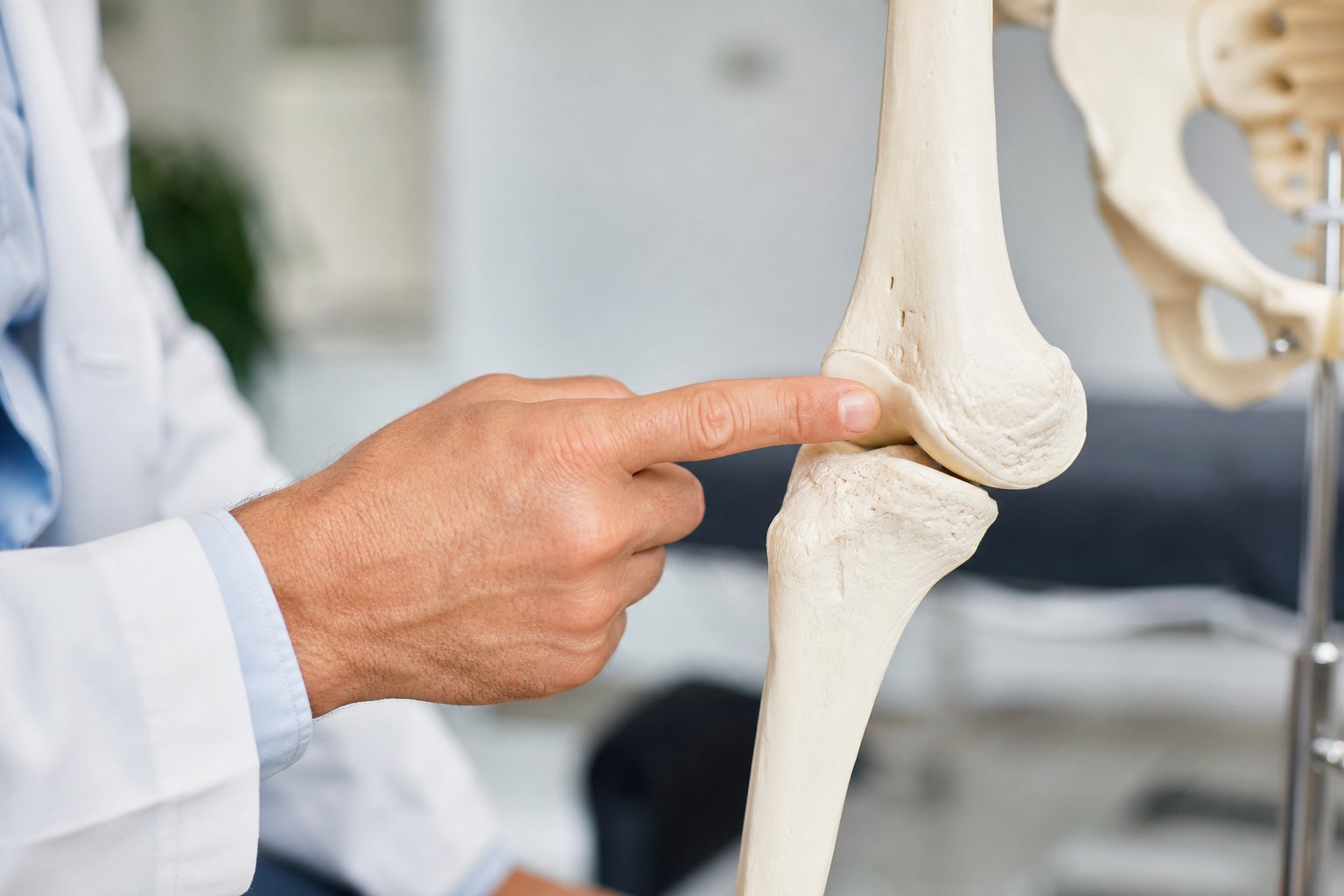
This page is for athletes, parents, coaches and anyone returning to sport who wants to find information by where it hurts. Pick the part of the body, and you will land on a page that explains how that area works, what commonly goes wrong, and what professionals do about it.
The information is general education and does not replace advice from a doctor or physiotherapist. If you are worried about an injury, especially after a heavy impact, or with severe pain, numbness, weakness or confusion, get it assessed.
How to use the body-area pages
Every body-area page follows the same plan, so you can find what you need quickly: how the area works, common injury categories, symptoms people may notice, how injuries typically happen, what a professional assessment involves, general care pathways, rehabilitation and return to activity, prevention, and the sports where that area is most often hurt.
Use them as a starting map, not a diagnosis. Pain in one place can come from another, such as hip or back problems that show up as pain elsewhere, and similar symptoms can have very different causes. The pages tell you what questions to bring to a clinician.
If you already know the kind of injury, try injury types instead. If you want to browse by sport, use injuries by sport.
The areas of the body
Head and face
Concussion, facial cuts and fractures, and dental or eye injuries. Concussion is a brain injury and needs particular care, so start with our concussion guide.
Neck
Strains and sprains of the neck, and the more serious injuries that follow heavy impacts or falls. Neck pain after a hard blow or with numbness needs prompt assessment.
Shoulder
A very mobile joint that can become unstable or irritated in throwing, swimming and contact sports. Covers dislocations, rotator cuff trouble and collarbone injuries.
Elbow
Overuse pain on either side of the elbow, throwing injuries and joint injuries from falls. Common in racket sports and throwing sports.
Wrist and hand
Fractures and sprains from falls and catching, along with finger injuries and overuse in gripping sports.
Back and spine
Muscle strains, overuse in the lower back and the less common but more serious spinal injuries. Back pain with numbness or weakness needs a professional look.
Hip, groin and pelvis
Groin strains, hip pain and pelvic injuries, which are common in kicking and sprinting sports and need careful assessment to work out the source.
Knee
Ligament, meniscus, kneecap and tendon problems. Our knee page links to the full guide on ACL, meniscus and patellar pain, plus brace and sleeve guides.
Lower leg
Shin pain, calf strains and Achilles problems, often linked to training load and running or jumping.
Ankle and foot
Ankle sprains, foot overuse and fractures, with links to our ankle sprain guide and ankle brace guide.
Guides to read next
- Sports Injury Types
- Injury Symptoms
- Assessment and Care
- Joint Health
- Concussion in Sports
- Shoulder Injuries in Athletes
- Knee Injuries in Athletes
- Ankle Sprains in Athletes
- Overtraining and Overuse Injuries
- Rehabilitation After Sports Injury
- Return to Sport After Injury
- Safety and Injury Prevention
- Injuries by Sport
- Soccer Injuries
Frequently asked questions
Which page should I start with if I am not sure what is wrong?
Start with the area that hurts most, then read about assessment and care. A clinician can work out the cause when symptoms overlap.
Can these pages diagnose my injury?
No. They explain general patterns and what professionals do. A diagnosis needs an examination.
When should I see a professional?
If pain is severe, you cannot use the area normally, there is numbness or weakness, or symptoms are not improving, get assessed. Head and neck injuries after a hard impact deserve prompt care.
Do these pages cover children and teens?
Yes in general terms, but young athletes have growing bones and different injury patterns, so a clinician who knows young athletes should assess persistent pain.
Explore this hub
- Head & Face Injuries in SportA plain guide to head and face injuries in sport, from cuts and broken noses to eye and dental injuries, and where concussion fits in.
- Neck Injuries in SportA plain guide to neck injuries in sport, from muscle strains to serious spinal injuries, and when to get urgent help.
- Shoulder Injuries & Joint HealthA plain guide to the shoulder in sport: how it works, common injuries, and how professionals assess and rehabilitate them.
- Elbow Injuries & Joint HealthA plain guide to the elbow in sport, from tendon overuse to throwing and fall injuries, and what professionals do.
- Wrist & Hand Injuries in SportA plain-language guide to how wrists and hands get hurt in sport, what professionals look for, and how people get back to play.
- Back & Spine Injuries in SportA plain-language guide to back and spine injuries in sport, including warning signs, assessment and returning to activity.
- Hip, Groin & Pelvis Injuries in SportA plain-language guide to hip, groin and pelvis injuries in sport and how professionals assess and manage them.
- Knee Injuries & Joint HealthA plain-language map of knee anatomy, common injuries, assessment, rehabilitation and prevention for athletes.
- Lower Leg Injuries in SportA plain-language guide to shin, calf and Achilles injuries in sport and how they are assessed and rehabilitated.
- Ankle & Foot Injuries in SportA plain-language guide to ankle sprains, foot injuries, assessment, rehabilitation and prevention for athletes.