Explore this hub
- Everyday Nutrition for AthletesA food-first guide to the everyday eating that supports training, recovery and health for athletes of all levels.
- Hydration & Electrolytes for AthletesAn overview of why hydration needs differ between athletes and how to approach them sensibly, with links to our main hydration guide.
- Fueling Training & CompetitionA practical guide to eating around training and competition, from pre-event meals to travel days, using familiar foods first.
- Sports Supplements: Evidence & SafetyA plain guide to judging sports supplements: what evidence exists, why labels can mislead, and where to check before you take anything.
- Sleep & Athlete WellbeingA plain guide to sleep, stress and balance for athletes, and when to ask a professional for help.
- Athlete Health Across Life StagesA plain guide to how an athlete's health needs change from youth to older age, and when to involve a professional.
- Nutrition & Athlete Health by SportEvery sport guide for this subject, from one list.
Eating for sport is less mysterious than the marketing makes it sound. For most athletes, the biggest gains come from regular meals, enough energy, enough fluid and good sleep, long before any powder or pill. This page is for athletes, parents, coaches and adult beginners who want a clear picture of the whole subject and a map to the detailed guides.
It is general education, not personal dietary advice. Needs vary with age, body size, sport, health conditions, medicines and culture, so for anything specific, a doctor or a registered dietitian (ideally one with sports experience) is the right person to ask.
Food first, then everything else
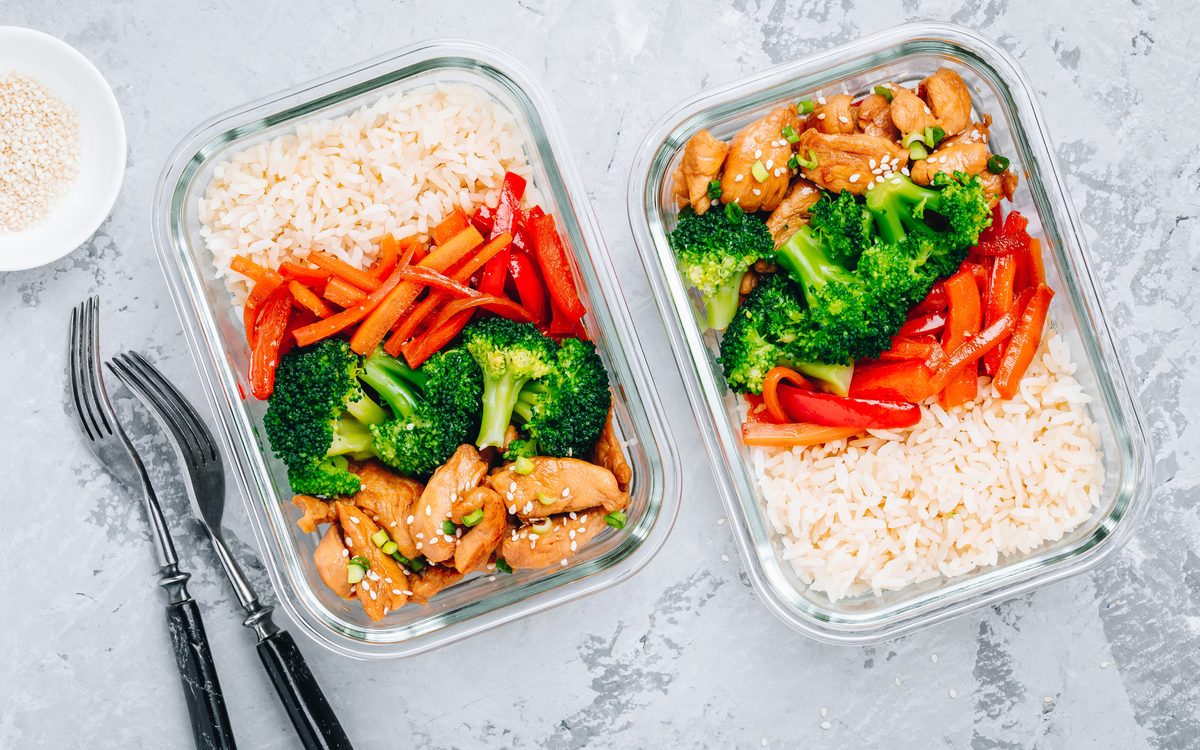
A food-first approach means building your eating around ordinary meals: a mix of carbohydrate foods, protein foods, fruit and vegetables, healthy fats and fluids, spread across the day. It works because food delivers energy and nutrients in combinations that supplements cannot copy, and because a habit you can keep beats a perfect plan you drop after two weeks.
The Everyday Nutrition guide explains this foundation: what a balanced plate looks like for someone who trains, how to eat regularly around school, work and practice, and how to avoid the all-or-nothing thinking that causes problems.
Energy and nutrients
Training uses energy, and the body needs to take in enough to cover it, plus growth in young athletes. Eating too little for the work you do can hurt performance, mood, bone health and recovery, and it is a particular concern for teenagers and for sports that reward leanness. Carbohydrate is the main fuel for harder and longer efforts, protein supports repair and adaptation, fats support health and long, lower-intensity work, and vitamins and minerals keep everything running. None of these needs exotic sources.
The guides on Everyday Nutrition and Athlete Health go further, including why some athletes need extra attention to iron, calcium or vitamin D, and why that should be checked by a professional rather than guessed.
Hydration
Fluid keeps temperature, circulation and concentration steady. Drinking too little can hurt performance, and in heat it can be dangerous. Drinking far too much, especially plain water over long events, brings its own risk. The sensible middle is paying attention to thirst, urine colour, the conditions and how long you will be active. Hydration sets out the principles and Hydration for Athletes goes into electrolytes and overhydration. For hot-weather problems, see Heat Illness in Athletes.
Before, during and after activity
Timing matters most when sessions are long, hard or close together. In broad terms: eat a familiar meal or snack that sits well before you start, take on fuel and fluid during long efforts, and eat and drink again afterwards to restart recovery. For a short, easy workout, regular meals are usually enough. Training & Competition Fueling walks through each stage and explains why practising your plan in training beats trying something new on race day.
Competition and travel
Match days, tournaments and trips are when routines break. Food may be unfamiliar, schedules shift and nerves reduce appetite. The most useful habit is planning: knowing what you will eat and drink, packing foods you trust, and keeping to the same pattern as in training. The same fueling guide covers this, and Running Nutrition & Supplements and Soccer Nutrition & Supplements show how it looks in individual sports.
Supplements and the evidence
Supplements are a small part of sports nutrition. A few have reasonable evidence for specific purposes, many have little, and some carry real risks, including products contaminated with substances that are banned in sport. Athletes who are tested need extra care, because “natural” or “legal to buy” does not mean “allowed in competition”. Supplements explains how to judge claims and Supplement Safety for Athletes covers third-party testing and the questions to ask. Young athletes should talk to a doctor before taking any.
Sleep and wellbeing
Sleep, stress and mood sit alongside food in how an athlete feels and performs. Poor sleep affects appetite, concentration and recovery, and heavy pressure to win or to look a certain way can affect how a person eats. Sleep & Wellbeing introduces the topic and Sleep and Recovery for Athletes goes deeper. If worries about food, weight or mood are taking over, that is a health matter, not a performance matter, and speaking to a doctor is the right step.
Life stages and individual circumstances
Children and teenagers are still growing, so they need enough energy for both sport and development. Older athletes may need to think about protein, bone health and recovery. Pregnant or postpartum athletes, vegetarian and vegan athletes, people with allergies, diabetes or digestive conditions, and people taking medicines all have extra considerations. Athlete Health introduces these situations and points to where individual advice is needed. This is where the guidance on the page stops and personal support starts.
When professional support is useful
Consider a registered dietitian or doctor if you have a medical condition, are losing weight without meaning to, feel constantly tired or unwell, have frequent injuries or stress fractures, are a young athlete with big energy demands, or find food and training taking over your thoughts. A professional can look at your whole situation, something no general page can do.
Guides to read next
- Everyday Nutrition for Athletes
- Hydration
- Training & Competition Fueling
- Supplements
- Sleep & Wellbeing
- Athlete Health
- Hydration for Athletes
- Supplement Safety for Athletes
- Sleep and Recovery for Athletes
- Heat Illness in Athletes
- Running Nutrition & Supplements
- Soccer Nutrition & Supplements
- LMNT vs Liquid IV
Frequently asked questions
Do athletes need supplements?
Most do not need them if they eat regularly and well. Some people have a specific reason, such as a diagnosed deficiency, and a doctor or dietitian can advise. Anyone who is drug tested should be especially careful.
What should I eat before training?
Something familiar that you digest comfortably, timed so you are not uncomfortably full. Hungry athletes often perform and feel better with a small snack; what works varies, so try things in training, not on competition day.
Is more protein always better?
No. Protein matters for repair and adaptation, but beyond a point extra does not add benefit, and it should not push out carbohydrate and other foods. A dietitian can tailor amounts to you.
How do I know if I am drinking enough?
Thirst, urine colour and how you feel are useful everyday signs. Hot weather, long sessions and heavy sweating raise the stakes, and drinking excessive plain water can also cause problems.
Can my teenager follow the same diet as an adult athlete?
Teenagers are still growing and generally need enough energy for both growth and sport. Restrictive diets are a concern in young athletes, so involve a doctor or dietitian rather than copying adult plans.
Official sources
These pages from health authorities are worth reading alongside this guide. We link to them for further reading; we are not quoting them.
- NHS: Water, drinks and hydration: General NHS guidance on fluids and drinks for most adults. Athletes' needs vary with activity and conditions.
- NHS: Sleep and tiredness: General NHS advice on sleep, tiredness and self-help tips.