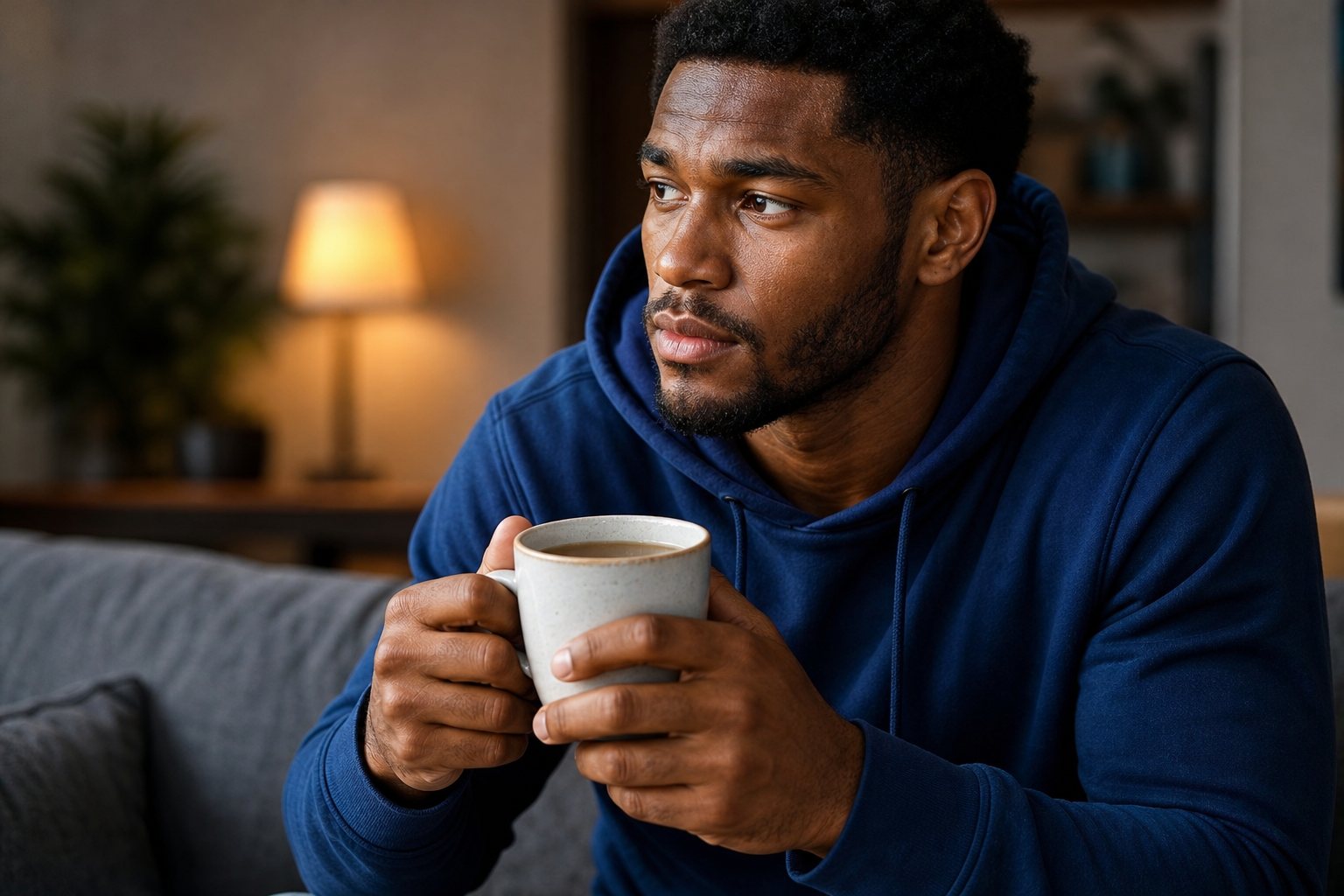
This page is for athletes, parents and coaches who want to understand how sleep, stress and everyday balance affect how an athlete feels and performs. It covers habits that tend to help, why support from other people matters, and when it is time to talk to someone.
It is wellbeing education. It is not mental-health care. Sleep habits and stress skills are useful for everyone, but they are not a treatment for depression, anxiety, an eating disorder or any other health condition. Those need a qualified professional.
Why sleep belongs in the training plan
Sleep is when the body does much of its repair work and when the brain sorts what it learned that day. Athletes who sleep poorly often notice slower reactions, lower mood, more perceived effort and a harder time learning new skills. Poor sleep is also commonly linked with a higher chance of getting sick or hurt.
How much sleep is right varies by age and by person, and young athletes generally need more than adults. Our central guide to sleep and recovery for athletes goes into the detail, so this page focuses on habits and wellbeing around it.
Habits that tend to help sleep
None of these is a magic fix, and what works differs between people. They are good starting points to try, one at a time.
- A steady routine. Going to bed and waking at similar times, even on days off, helps the body clock.
- A wind-down. A short, calm routine before bed, such as reading or gentle stretching, tells the body that the day is ending.
- A good room. Dark, quiet and comfortable, and not too warm.
- Screens and light. Bright screens and stimulating content late at night make it harder for many people to switch off.
- Caffeine and late meals. Caffeine late in the day can linger, and heavy meals right before bed bother some people.
- Planning around late games. After evening matches or travel, adrenaline keeps many athletes awake. Plan a slower evening and give yourself extra time to rest.
If you are tracking sleep with a device, treat the numbers as rough estimates and not as a score to be anxious about. Our sleep tracker guide explains what these devices can and cannot tell you.
If you snore loudly, stop breathing in your sleep, feel very sleepy in the day despite enough time in bed, or have long-lasting trouble sleeping, speak with a doctor. These can be signs of a sleep problem that habits alone will not solve.
Stress, pressure and balance
Some pressure is part of sport. It becomes a problem when it is constant and nothing else in life gives relief. Athletes often juggle training, school or work, travel, money, family and the fear of letting people down. Warning signs of too much load can include being constantly tired, losing enjoyment of a sport you used to love, getting sick or injured more often, or dreading practice.
Balance does not mean doing less. It means having parts of life that are not about performance: friends outside the team, hobbies, time outdoors, a day off. Planned rest days and an off-season are part of a healthy training year. For how heavy training can tip into harm, see our guide on overtraining and overuse injuries.
Simple skills such as slow breathing, a short routine before competition, writing down worries, and breaking a big goal into small steps can help many athletes feel steadier. They support performance, which is a separate topic from clinical care; our mental training and competition hub covers the performance side.
The power of support
Athletes do better when they feel they can talk. Coaches, parents, teammates, friends and teachers all play a part. A few things help:
- Coaches can make it normal to talk about sleep, stress and rest, and can respond calmly when an athlete is struggling.
- Parents can ask open questions, listen before offering fixes, and make sure a young athlete is not judged only by results.
- Teammates can notice when someone has gone quiet, and check in privately.
Being kind and noticing early often matters more than having the right words.
When to seek help
Everyone has bad weeks. Reach out to a doctor, a school or team health professional, or a mental-health professional when low mood, worry, changes in eating, sleep problems or loss of interest last for more than a short time, get in the way of daily life, or keep getting worse. Also reach out if you rely on alcohol or other substances to cope, or if you feel unsafe or hopeless.
If you or someone near you may be in immediate danger, or you are thinking about harming yourself, contact your local emergency number or a crisis line in your country right away. Do not wait for a good moment.
Seeking help is a sign of good judgement, not weakness, and many sports organisations have confidential support available. Ask your team, school or governing body what exists.
Where this page stops
Sleep habits, planning rest and learning to manage pressure are things anyone can work on. Diagnosing or treating a mental-health condition is not. If you are unsure which side of the line you are on, speak with a health professional and let them decide.
Guides to read next
- Sleep and Recovery for Athletes: How Much You Need
- Best Sleep Tracker for Athletes
- Sleep & Rest for Recovery
- Mental Training & Competition
- Best Mental Training Tools for Athletes
- Overtraining and Overuse Injuries
- Athlete Health Across Life Stages
- Soccer Mental Training
- Running Recovery
- Gymnastics Mental Training
- Swimming Recovery
Frequently asked questions
How can I sleep better before a big game?
Keep your normal routine as much as you can, wind down calmly, and avoid trying something new the night before. One poor night rarely ruins a performance, so try not to worry about it.
Is a sleep tracker worth using?
It can help you notice patterns, but the numbers are estimates. If watching the score makes you anxious, take a break from it.
Is feeling nervous before competing a problem?
Not usually. Nerves are common. If worry is constant, affects daily life or stops you taking part, talk to a health professional.
Who should a young athlete talk to if they are struggling?
A trusted adult is a good first step: a parent, coach, teacher or school counsellor. They can help find a doctor or mental-health professional if needed.
Official sources
These pages from health authorities are worth reading alongside this guide. We link to them for further reading; we are not quoting them.
- NHS: Sleep and tiredness: General NHS advice on sleep, tiredness and self-help tips.