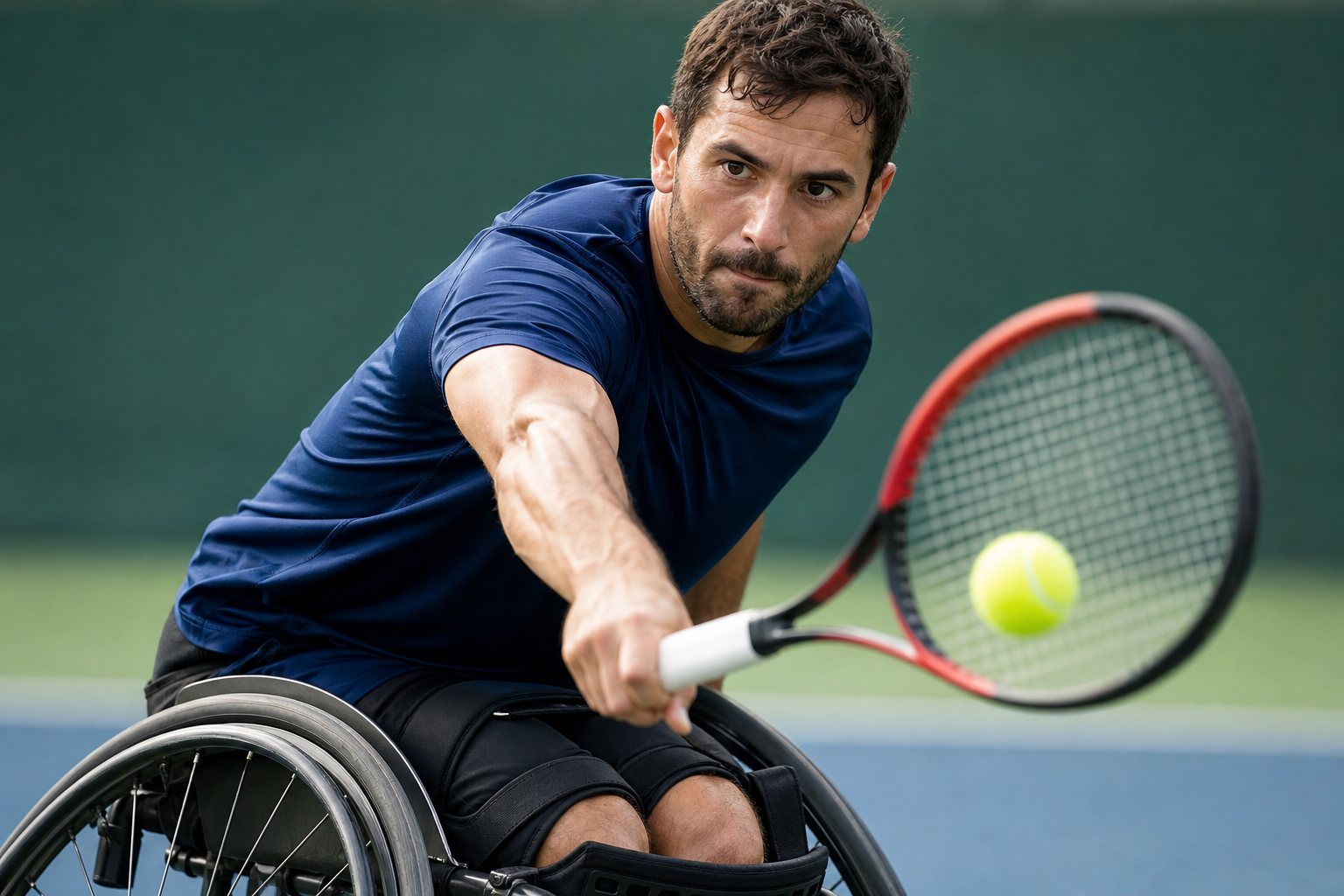
Sport is for everyone, and there is more than one way in. Some people want a relaxed, adapted activity with friends. Others want a structured team, a coach and a calendar of competitions. This page explains both paths in plain language, so you can work out what you are looking for and what to ask before you turn up.
Nothing here is medical advice. If you are unsure whether an activity suits your body, ask a doctor, physical therapist or athletic trainer who knows your situation.
Adaptive recreation and organized para sport
“Adaptive sport” is a wide umbrella. It simply means an activity changed so that people with different bodies and abilities can take part: different equipment, adjusted rules, extra support, or a different way of getting around the playing area.
It helps to separate two ideas that are often mixed up:
- Adaptive recreation is about enjoyment, fitness, friendship and being outdoors. It can be a weekly swim, a hand-cycling group, a seated yoga class or a day on the water. There is usually no need to qualify for anything.
- Organized para sport has teams, coaches, rules, leagues and competitions. Many of these sports have a governing body that sets the rules and decides who may enter which events.
You can start in one and move to the other, or stay happily in the first for good. Neither is “better”.
Adaptive activities and the Paralympic programme are not the same thing
The Paralympic Games are one competition, run by the International Paralympic Committee. Their programme is a fixed list of sports for each edition. Paris 2024 had 22 sports, and the initial programme for the LA28 Games also lists 22 sports. Para triathlon, Para badminton and boccia are confirmed for LA28. Other sports can be added or changed between editions, so always check paralympic.org or the sport’s own federation for the current list.
Many wonderful adaptive activities are not on the Paralympic programme at all, and that takes nothing away from them. Likewise, a sport being “adaptive” does not mean it is Paralympic. When a page on AthleteRx says a sport was on a programme, it names the edition.
| Adaptive recreation | Organized para sport | |
|---|---|---|
| Main goal | Fun, fitness, friendship, trying things | Training and competing under set rules |
| Rules | Often flexible and local | Set by the sport’s governing body |
| Classification | Usually not needed | Often required to enter classified events |
| Coaching | Instructors or volunteers | Club or national-level coaches |
| Paralympic link | None needed | Some sports are on the Paralympic programme |
Paralympic sports with a guide on AthleteRx
The sports below were on the Paris 2024 Paralympic programme. Each guide explains how the sport works, how to get started and how to look after your body. For the current programme, check paralympic.org.
 Blind Football
Blind football (blind soccer, 5-a-side): how it works, B1 and goalkeeper roles, Paralympic status, injury and concussion safety and how to start.
 Boccia
 explained: how a match works, BC1 to BC4 classes, ramps and assistants, Paralympic history, safety notes and how to find a club.
 Goalball
 explained: how the game is played by sound, B1 to B3 classes, eyeshades, Paralympic history, injury research and how to find a club.
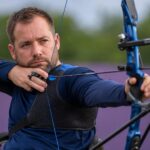 Para Archery
Para archery explained: Open, W1 and VI classes, bows and distances, Paralympic status, how classification works, safety and starter gear.
 Para Athletics
Para athletics explained: T and F sport classes, wheelchair racing, guides, Paralympic history, injury and heat research, gear and how to get started.
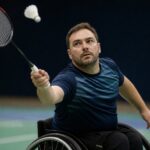 Para Badminton
Para badminton explained: the six sport classes, half-court rules, Paralympic history and LA28, classification, safety and starter gear.
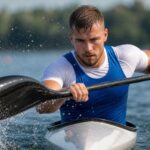 Para Canoe
Para canoe explained: kayak and va'a boats, KL and VL classes, 200 m racing, Paralympic history and LA28, water safety and starter gear.
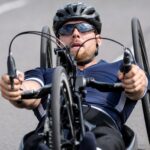 Para Cycling
Para cycling explained: C, T, H and B classes, handcycles, tandems, classification, Paralympic status, safety, heat and concussion, gear and how to s…
 Para Equestrian
Para equestrian (para dressage): how it works, grades I to V, Paralympic status, classification, helmet and fall safety, and how to start.
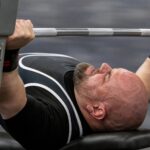 Para Powerlifting
Para powerlifting explained: the bench press, lift judging, eight eligible impairments, weight classes, Paralympic status, shoulder health and how to…
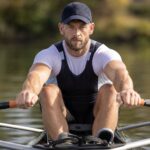 Para Rowing
Para rowing explained: PR1, PR2 and PR3 classes, fixed seats and pontoons, the 2,000 m race, Paralympic status, water and heat safety, gear and how t…
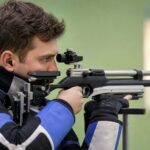 Para Shooting
Para shooting (shooting Para sport): how it works, SH1 and SH2 classes, Paralympic status, range and lead safety, and how to get started.
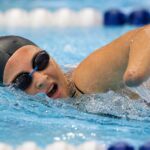 Para Swimming
Para swimming explained: S, SB and SM classes, tappers and starts, Paralympic history, shoulder injury research, gear and how to get started.
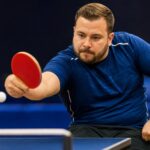 Para Table Tennis
Para table tennis explained: the 11 classes, wheelchair and standing play, rules, Paralympic status, health and safety, gear and how to start.
 Para Taekwondo
Para taekwondo explained: K41 and K44 classes, weight categories, scoring, Paralympic history and LA28, injury research, safety and gear.
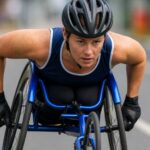 Para Triathlon
Para triathlon explained: PTWC, PTS and PTVI classes, handcycles, guides, the 750 m/20 km/5 km race, classification, Paralympic status, safety and ge…
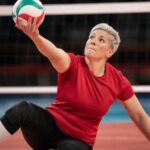 Sitting Volleyball
Sitting volleyball explained: court and net, the seated rule, VS1 and VS2 classes, Paralympic history, injury research and how to get started.
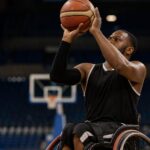 Wheelchair Basketball
Wheelchair basketball explained: the two-push rule, 14-point classification, Paralympic history, shoulder injury research, gear and how to find a tea…
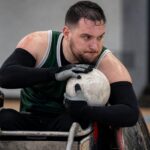 Wheelchair Rugby
Wheelchair rugby explained: how the game works, 0.5 to 3.5 classes and the 8.0 limit, Paralympic history, shoulder and heat safety, and how to try it.
19 guides in this list.
Looking for something less formal? Browse the fitness, recreation and movement guides, or the full A to Z of sports.
Start with your own goals
Before you look at programs, write down what you actually want. Do you want to get stronger, meet people, be outdoors, try something new, play on a team, or compete? Do you prefer groups or one-to-one? Mornings or evenings? Indoors or outside? A short, honest list will save you from joining something that looks impressive but does not fit your life.
Your goals can change. Plenty of people begin with “I just want to try it” and later discover they enjoy competing, and plenty do the opposite. It is fine to leave a program that is not right for you.
Accessible facilities and getting there
A great program is no use if you cannot get through the door. Ask about the whole journey, not just the activity itself:
- Parking or drop-off close to the entrance, and step-free routes from there.
- Accessible changing rooms, toilets and showers, and whether a companion or carer may come in with you.
- Pool lifts or ramps, level floors, space to turn a wheelchair, and lighting and sound that work for you.
- Public transport or accessible transport options, and what time sessions end.
- Where you can wait, rest or sit out for a while.
Websites are not always up to date, so a quick phone call or message is worth it. If you can, visit once without taking part.
Coaching experience
Good coaches for adaptive sport listen first. Ask whether the coach has worked with people who have similar needs to yours, whether the program is led by adaptive-sport specialists or by a general instructor with support, and how sessions are adjusted on the day. Experience matters, but so does attitude: look for someone who asks what you want rather than deciding for you. Ask what training or certifications the coaches hold, and what the plan is if you have a fall, a bad day or a medical concern.
Communication and support arrangements
Tell the program early what helps you take part well. That might be a sign language interpreter, written instructions, extra time to explain a drill, a guide or sighted assistant, a personal care assistant, a quiet space, or a trusted person who stays with you. Ask how the program handles these requests, who your contact person is, and whether you can bring your own support person. Good programs treat this as ordinary planning, not as a burden.
Adapted equipment and fitting
Many adaptive sports use specialised equipment: sport wheelchairs, throwing frames, racing chairs, hand cycles, prostheses designed for running, guide ropes, ramps for boccia, and more. The right fit makes the sport safer and more comfortable, and a poor fit can cause pain or injury over time.
Fitting is personal. Work with the program, the sport’s coaches and, where relevant, your own healthcare team, such as a therapist or prosthetist. Equipment rules for competition are set by each sport’s governing body, so check them before buying anything for competition. For more on choosing gear, see our gear reviews and comparisons.
Trying before you buy: trials, borrowing and rentals
Specialised equipment can be a big commitment, so try first whenever you can. Many clubs and programs keep a pool of chairs or other equipment for newcomers, some offer short loans, and some events run “try it” days. Ask whether you can borrow or rent, for how long, how fitting works, and what happens if the equipment does not suit you. Also ask whether your own everyday equipment can be used, and whether the program has any rules about it.
Costs and help with costs
Costs vary widely by sport, place and program: membership or session fees, travel, equipment, and competition entries can all add up. Some programs are free or low-cost, and some offer funding or equipment support. We do not list amounts here because they change and depend on where you live.
To find help, ask the program itself first, then the national governing body for the sport and your national or regional Paralympic committee, whose websites are listed at paralympic.org. Local disability sport organisations, community foundations and rehabilitation services can also point you to grants or loan programs. Always check who is offering help and what it covers before you share personal information.
Recreational opportunities
Recreational adaptive activity is the easiest place to start. Look for community centres, adaptive fitness classes, swimming pools with accessible entry, outdoor programs run by local groups, and clubs that welcome mixed-ability participants. Many recreational activities do not need classification or any kind of qualification: you simply sign up and take part. Our fitness and recreation guides are a good next stop, and so are the safety and injury prevention and recovery and rehabilitation hubs.
Competitive pathways
Pathways differ by sport and country, but they often look something like this: try the sport locally, join a club, enter local or regional events, then, if you want to, move to national and international competition under the sport’s governing body. Each sport’s national federation can tell you what the steps are where you live, and what is expected at each stage. Nobody can promise results, selection, funding or income, and plenty of people compete happily at local level for years. For more on the wider competitive world, see professional and competitive sport, and for the Olympic side, the summer and winter Olympic pages.
What classification is for
In many organized para sports, classification is how competition is made fair. The idea is that results should be decided by training, skill, fitness, tactics and determination, rather than simply by who has the least or most impact from their condition. Classification groups athletes according to how their impairment affects the specific activities in that sport.
A few things to keep in mind:
- The rules are sport-specific and set by each sport’s governing body.
- Not everyone with a disability is eligible for every classified competition. Each sport defines which kinds of impairment it includes and how much impact is required.
- Classification is not required for recreational adaptive activity.
- It is usually done by trained classifiers, and the process and paperwork differ by sport.
If you are curious, ask the national federation of the sport you like how to find out about classification in your country.
Questions to ask a program before you go
Take this checklist with you, or send it by message:
- Is this program recreational, competitive or both? Is it open to my age group and experience level?
- Is the building, pool or field fully accessible, including parking, toilets and changing rooms?
- What is the coaches’ experience with people who have needs like mine?
- Can I bring a support person, a guide, an assistant or an interpreter?
- Is equipment provided, borrowed or rented, and can I try before buying?
- How are sessions adjusted if I have a bad day or need a break?
- What are the costs, and is any help available? Ask for the details in writing.
- Is classification needed for anything I might want to do later?
- What is the safety plan, and who do I contact with questions or concerns?
- Can I come to watch or try one session first?
Frequently asked questions
Do I need classification to join an adaptive sport?
No, not for recreational adaptive activity. Classification matters mainly when you want to enter classified competitions in a sport that uses it. Ask the sport’s governing body how it works.
Can anyone with a disability compete in any Paralympic sport?
Not automatically. Each sport sets its own eligibility rules, including which kinds of impairment it includes, so check with the sport’s federation.
Is adaptive sport the same as Paralympic sport?
No. Paralympic sports are those on a particular edition’s programme, such as Paris 2024 or LA28. Adaptive sport is a much wider idea that includes many activities that are not Paralympic.
Do I have to buy my own sport equipment right away?
Often not. Many programs offer equipment to try, borrow or rent. Ask before you buy, and make sure the fit is right for you.
How do I know if an activity is safe for me?
We cannot decide that for you. Ask a doctor, physical therapist or athletic trainer, and tell the program about anything they should know. Our safety and injury prevention hub has general guidance.
Where do I find out which sports are in the next Paralympic Games?
The official source is paralympic.org. Programmes are set edition by edition, so check there or with the sport’s federation for the most current information.
Sources
- International Paralympic Committee: LA28 Paralympic Games initial sport programme features 22 sports
- International Paralympic Committee (paralympic.org)
AthleteRx is for education only and is not medical advice. See our editorial policy.