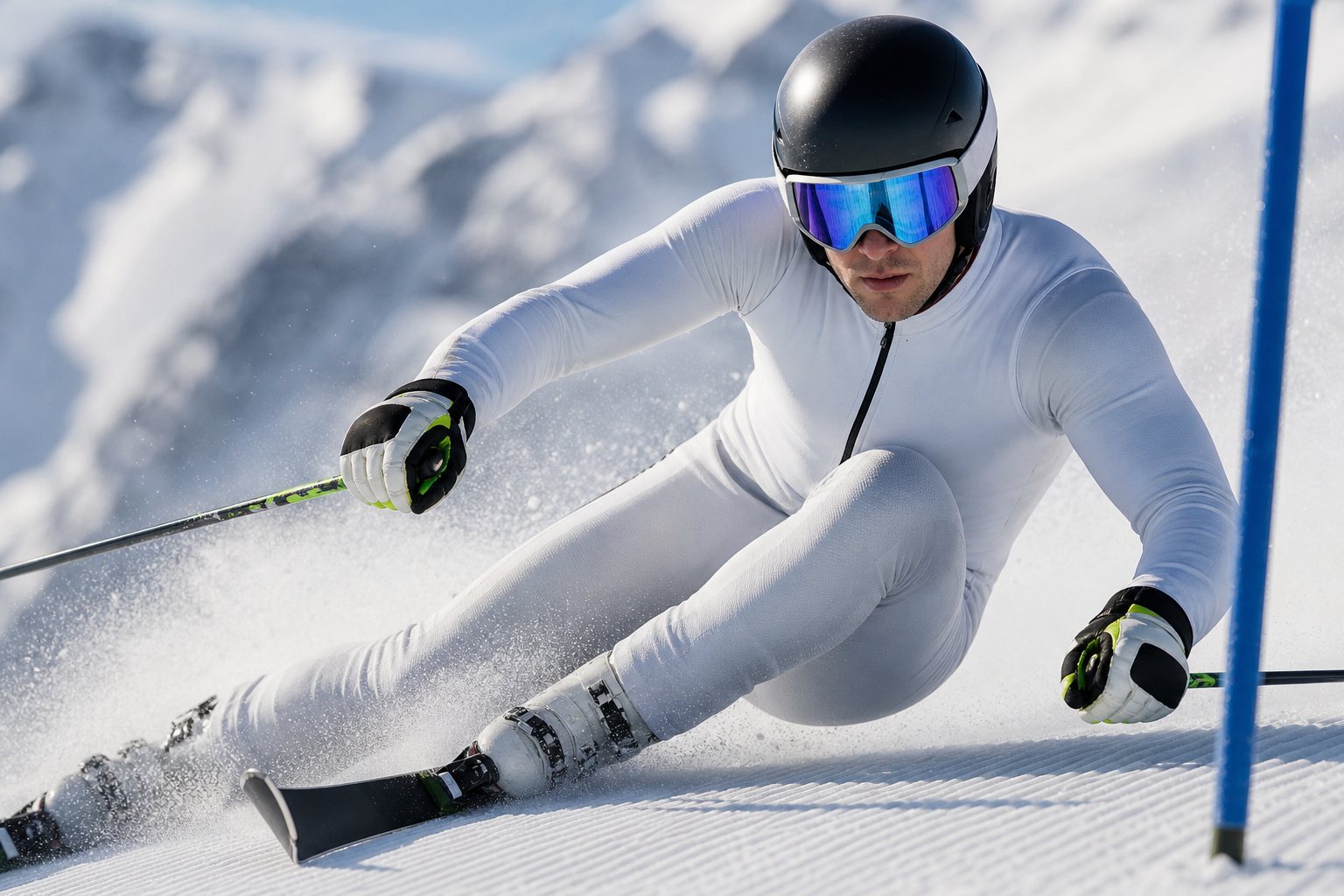
Winter sports are the snow and ice sports: skiing, snowboarding, skating, curling, sliding and the sports that mix them. They share a few big ideas. You need cold, the right surface, and usually a place built or maintained for the sport. That makes them different from a ball you can kick in a park. This page is a friendly map of the winter sports we cover, how people get started, and what to think about before you go.
Milano Cortina 2026, held in February 2026, is the most recent Olympic Winter Games. Ski mountaineering was the only new sport there, making its Olympic debut, and the Games had 116 medal events. Always check olympics.com or the sport’s international federation for the current programme, because it can change from one edition to the next.
Sports, disciplines and umbrella guides
A sport (such as skiing), a discipline (such as freestyle skiing) and an event (such as a single medal race) are three different things. Skiing is one sport with several disciplines, each with its own events. Where a sport has several related disciplines, we keep an umbrella guide that gathers them in one place.
On the Milano Cortina 2026 programme
 Alpine Skiing discipline
Alpine skiing explained: the five Olympic events, who races from kids to Olympians, knee and head injury data, helmet and bindings safety, and gear.
 Biathlon
 explained: ski and shoot formats, penalty loops, targets, Olympic and Paralympic status, cold-weather and rifle safety, training and gear.
 Bobsleigh
 explained: two-man, four-man and monobob, how to get started, head and neck safety, training basics and gear, with Olympic status.
 Cross-Country Skiing discipline
Cross-country (Nordic) skiing at every level: classic and skate, race formats, youth to Olympics, injuries, skier's asthma, cold, training and gear.
 Curling
 for beginners and every level: how the game works, Learn to Curl to the Olympics, falls and head safety, knees, training, recovery and gear.
 Figure Skating discipline
Figure skating at every level: singles, pairs, dance and synchro, scoring, Learn to Skate to the Olympics, figure skating injuries, training, recover…
 Freestyle Skiing discipline
Freestyle skiing explained: moguls, dual moguls, aerials, halfpipe, slopestyle, big air and ski cross, how they are scored, Olympic status, injuries…
 Ice Hockey
Ice hockey at every level, from cross-ice mites to the NHL, PWHL and Olympics: how the game works, hockey injuries, body checking, neck guards, recov…
 Long-Track Speed Skating discipline
Long-track speed skating explained: the 400 m oval, Olympic events, clap skates, levels, injuries from studies, safety gear and how to start.
 Luge
Luge explained: singles, doubles and the team relay, how kids and adults start, injury research, training basics and gear, with Olympic status.
 Nordic Combined discipline
Nordic combined explained: the ski jump plus cross-country race format, the 2026 Olympic results, why it was dropped for 2030, injuries and gear.
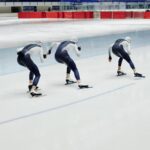 Short-Track Speed Skating discipline
Short track speed skating explained: pack racing, Olympic events, clubs and age groups, falls, cut protection, and the gear and rules that matter.
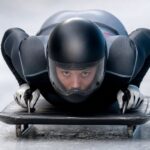 Skeleton
 explained: head-first sliding, the mixed team event, how to get started, head and neck safety, training basics and gear, with Olympic status.
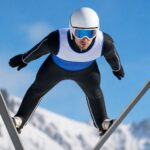 Ski Jumping discipline
Ski jumping explained: how jumps are scored, hill sizes, ski and suit rules, who jumps from kids to Olympians, Olympic status, injury data and safety.
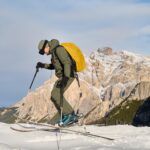 Ski Mountaineering discipline
Ski mountaineering explained: how skimo races work, Olympic status, injury research, avalanche and altitude safety, training and gear.
 Snowboarding
 at every level: how it works, youth to Olympics, snowboarding injuries, wrist guards, helmets, concussion, cold and sun, training, recov…
16 guides in this list.
Umbrella guides
These guides gather related disciplines and the recreational and club activity around them. An umbrella guide is not itself a single Olympic event. Open it to see which disciplines sit underneath and which of those were on the Milano Cortina 2026 programme.
 Skiing umbrella guide
Skiing at every level, from ski school to the World Cup: alpine racing, freestyle, skiing injuries, helmets, concussion, training, recovery and gear.
 Speed Skating umbrella guide
Speed skating for every level: long track and short track explained, inline, kids to Olympics, injuries, cut-resistant gear, concussion, training.
2 guides in this list.
Starting as a beginner
Almost every winter sport has a beginner route, and the best first step is nearly always a lesson. Ski and snowboard areas run group and private lessons. Many skating rinks run learn-to-skate classes, and curling clubs often hold learn-to-curl or open-house sessions. Sliding sports such as bobsleigh, luge and skeleton are different: they need a track and trained staff, so people usually start through an official introductory or talent programme rather than on their own.
A good lesson teaches the skill that keeps you safe first: how to stop, how to fall, and how to behave around other people. Ask the school or club what a first session includes, what to wear and whether equipment is provided.
Snow versus ice
Snow and ice behave very differently, and the sports built on them feel different too. Snow changes with the weather, the time of day and the grooming. It can be soft, icy, heavy or deep. Ice in a rink is kept consistent by machines, but it is hard, and falls usually land on a very firm surface.
| Question | Snow sports | Ice sports |
|---|---|---|
| Examples | Skiing, snowboarding, cross-country skiing, biathlon | Figure skating, speed skating, ice hockey, curling |
| Surface | Natural or made snow, changes with weather | Usually a rink or oval with managed ice |
| Where | Mountains, resorts, trails, nordic centres | Rinks, ovals and curling clubs, many of them indoors |
| Main outside risks | Weather, visibility, terrain, other skiers and riders | Hard falls, blades, sticks and stones, crowded sessions |
Sliding sports are a third group. They use purpose-built ice tracks, which are rare and specialised.
Local access or travel
Access is the biggest practical difference between winter sports. Skating and curling are often available in a nearby town, because rinks and curling clubs exist in many places. Mountain sports usually mean a trip to a ski area, and some, such as ski jumping or sliding, depend on a handful of specialised venues. Many people live far from any of them. How far you have to travel affects how often you can practise, so it is worth checking where the nearest venue is before choosing a sport.
Seasons and indoor options
Outdoor snow sports follow the weather. Opening dates differ by region and altitude and change from year to year, so check the venue’s own page for current conditions. Some places use snowmaking, and some have indoor snow halls or artificial slopes. Rink sports are often more flexible, because many rinks run for much of the year, though schedules vary and some seasonal rinks close. Curling is mostly played in dedicated indoor clubs. Always confirm opening times with the venue.
Renting or owning equipment
Winter gear can be specialised, and renting is common when you are starting. Many venues rent skis, boards, boots, skates and helmets. Renting lets you try a sport before committing, and rental staff can help with sizing. Owning makes sense once you go often, want a better fit or need something your venue does not rent. Some clubs and schools lend equipment to new members. Whichever you choose, ask what is included, and whether a helmet or other protection is part of the rental.
Fit, clothing, protection and care
Fit matters more than looks. Boots that are too loose or too tight make control harder and can cause discomfort, and skates should be fitted properly and kept sharp by someone who knows how. Dress in layers you can add or remove, keep your hands, feet and face covered in the cold, and use sun protection on snow, where glare and altitude can be strong.
Protective equipment depends on the sport. Helmets are common in skiing, snowboarding, skating and sliding, and sports such as ice hockey and speed skating have their own required or recommended gear. Check the rules of your venue, league or federation. After each session, dry your equipment, check bindings, blades and straps for damage, and store it as the maker advises. Our gear guides and safety guides go deeper.
What it all costs, without the numbers
Winter sports often cost more than people expect, and the costs come from several places. Think through these before you commit:
- Lessons, coaching and club or league membership.
- Access: lift tickets, trail passes, rink sessions or ice time.
- Equipment, rented or bought, plus repairs, sharpening and replacement as you or your child grows.
- Clothing and protective gear.
- Travel, lodging and food, especially for mountain sports.
- Competition fees and transport to events.
Prices vary a great deal by place and season, so ask each venue directly and compare. Many clubs and programmes can explain what a first season involves.
Preparing your body
Winter sports ask a lot of the legs, the core, balance and general stamina, and many people find that a few weeks of general conditioning before the season makes the first days more comfortable. Leg strength, balance work and basic fitness are the usual themes, and for cold-weather endurance sports like cross-country skiing, aerobic fitness matters. Tired muscles are one reason accidents happen late in the day, so build up gradually. Our training and performance and injuries and joint health sections explain more. If you have a health condition or past injury, ask a doctor, physical therapist or athletic trainer what is right for you.
Conditions, supervision and rules
Conditions change quickly in winter. Check the weather, snow or ice conditions and any warnings before you go, and stay within the marked areas and trails of your venue. Respect the posted rules: slope signs, speed limits, session types at the rink and age or skill rules for sliding tracks. For young beginners, supervised lessons and clear venue rules help. Mountain sports outside patrolled areas carry extra risks such as avalanches; this is a topic for trained guides and official avalanche information, not for guessing. See the ski mountaineering guide for more.
Clubs and competition
Clubs are the usual way into regular practice and competition. Look for a local ski club, skating club, curling club or hockey programme, and ask about coaching, age groups, trial sessions and how competitions are organised. National and international governing bodies set the rules and run the pathways to higher levels, and each sport’s federation is the best place to see how they work. Joining a club does not need a competitive goal; many people join for coaching, friends and regular ice or snow time.
Between seasons
When the snow melts or the rink closes, related activities can keep skills fresh. Many skiers and skaters turn to cycling, running, hiking, strength training and balance work. Some use inline skating, roller skiing, dryland training or trampoline and gym sessions that build body awareness. These help general fitness but are not the same sport, so treat them as practice, not a replacement. The fitness and recreation section covers many of these.
You can also compare with the Summer Olympic sports, see sports at the top level in professional and competitive, or look at adaptive and Paralympic options. Everything is listed in the A to Z directory.
Frequently asked questions
Which winter sports were on the Milano Cortina 2026 programme?
The list above shows our guides that cover sports and disciplines on the Milano Cortina 2026 programme, held in February 2026. Ski mountaineering was the new sport. Check olympics.com for the full official list.
What is the difference between a sport, a discipline and an event?
A sport is the broad activity, such as skiing. A discipline is a branch of it, such as alpine or freestyle skiing. An event is a single medal competition within a discipline. A related activity under an Olympic sport is not automatically Olympic itself.
Do I need to live near mountains to try a winter sport?
No. Skating, ice hockey and curling are often available at town rinks and clubs, and some places have indoor snow facilities. Mountain sports usually need travel, so check what is near you.
Should a beginner rent or buy?
Most beginners rent first, then buy once they know they will keep going. Ask the venue what its rental includes and how to get a good fit.
Can I try sliding sports like luge or bobsleigh?
Is a winter sport safe for me or my child?
Every winter sport carries some injury risk, which falls with good instruction, proper gear and sensible conditions. Whether a sport suits a particular person is a question for a doctor, physical therapist or athletic trainer.
Sources
- olympics.com, Milano Cortina 2026 new sports article and programme information
- milanocortina2026.coni.it, Milano Cortina 2026 organising information
This page is for education only and is not medical advice. See our editorial policy.