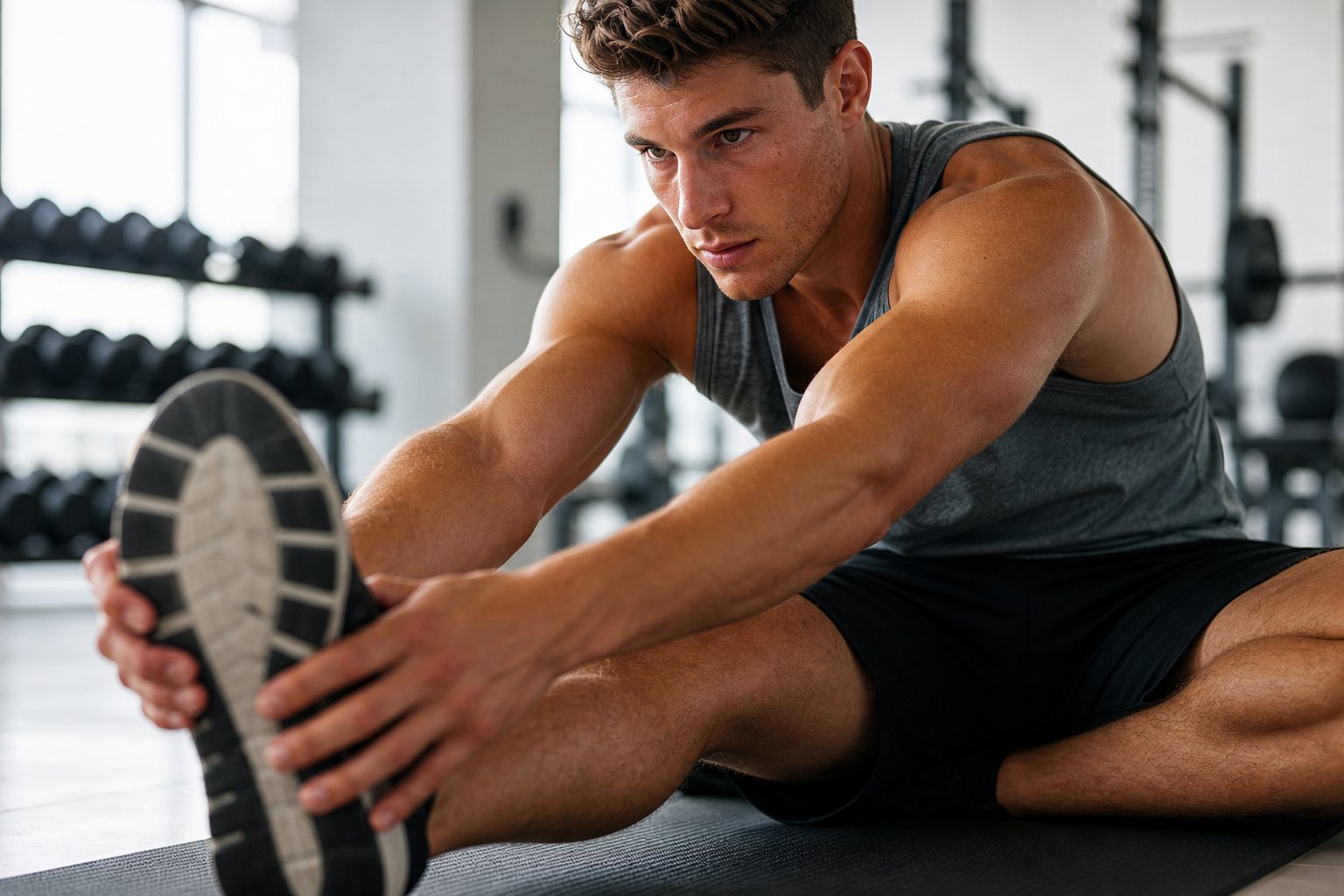
This page is for anyone who trains or competes and wants to understand what recovery actually is, not just which gadget to buy. It covers recovery after ordinary training and competition: the tired legs after a tough practice, the flat feeling after a tournament weekend. It answers the basic questions. What is happening in the body? What helps? How does recovery fit around training?
Recovery after exercise is one of two separate pathways on this site. This one is about getting ready for the next session after normal training. Recovering from an injury is a different job, handled under Rehabilitation, and it needs a professional’s guidance.
Everything here is general education. It is not medical advice and it does not replace a coach, doctor or physiotherapist who knows you.
What recovery means
When you train, you deliberately stress the body. Muscles, tendons, the heart and the nervous system all work harder than usual. Recovery is the period afterwards when the body repairs, restocks its fuel and adapts so it can handle that stress better next time.
Two ideas help here. Short-term recovery is about feeling and performing well again in the next session or the next game. Long-term recovery is about the slow build-up of fitness over weeks and months. A hard session does not make you fitter on the day. The improvement happens in the time afterwards, as long as the body gets enough of what it needs.
How recovery fits with training
Training and recovery are two halves of the same process. Too little training and there is nothing to adapt to. Too little recovery and the stress piles up faster than the body can absorb it. Coaches often describe this as balancing load and rest. You can read more on how load is planned in Training Principles.
In practice, this means hard days and easy days, and weeks that are lighter than the ones before them. Sports with frequent competition, such as soccer or basketball, often need recovery planned around match days. Endurance sports usually weave easy sessions between demanding ones. The right shape depends on your sport, age and experience, which is why a coach’s plan beats a generic one.
The basics that do most of the work
Most of what helps recovery is not exciting. The same few habits matter for nearly every athlete.
- Sleep. This is where much of the body’s repair happens. See Sleep and Recovery for Athletes and our page on sleep and rest.
- Food. Eating enough, with a sensible mix of carbohydrates, protein and fats, gives the body fuel to refill and material to rebuild. Our fueling guides go into this.
- Fluids. Replacing what you lose through sweat matters, especially in heat. See Hydration for Athletes.
- Easy movement. Gentle activity on lighter days can feel better than lying still for many people. Active Recovery Day Ideas has examples.
- Time off. Planned rest days are part of the programme, not a sign of laziness.
Extras: tools and methods
Cold water, heat, massage tools, compression and similar methods are popular. Some athletes find they help them feel better, and some of them have some research behind them for some purposes, but they are add-ons rather than foundations. If sleep, food and workload are off, no tool will fix that. We cover them in Recovery Methods, and if you are thinking of buying something, start with Best Recovery Tools for Athletes.
Recovery looks different in each sport
A sprinter, a swimmer and a goalkeeper stress different parts of the body, so their recovery needs are not identical. Runners worry about legs and feet; throwers and racquet athletes think about shoulders and elbows; combat athletes may face bruising and heavy fatigue. Start with the guides for your own sport, such as Recovery for Runners, then see the recovery section of your sport page.
Recovery is not the same as pushing through pain
Feeling tired and a bit stiff after hard exercise is normal. Sharp, one-sided, worsening or lasting pain is a different thing, and so is a drop in performance that does not come back after proper rest. Those can be signs of injury or of overtraining, and they need attention rather than more of the same. Our pages on soreness and fatigue and overtraining and overuse injuries explain the difference. If you are unsure, ask a coach, doctor or physiotherapist.
Guides to read next
- How to Recover Faster After a Workout
- Athlete Recovery Routine
- Recovery for Runners
- Active Recovery Day Ideas
- Sleep and Recovery for Athletes
- Overtraining and Overuse Injuries
- Hydration for Athletes
- Exercise Soreness & Fatigue
- Training Principles
- Running Recovery
- Soccer Recovery
- Basketball Recovery
- Best Recovery Tools for Athletes
Frequently asked questions
How long does recovery take after a hard workout?
It varies with the person, the type of session and what else is going on in life. Some sessions leave you ready the next day; very demanding ones can take longer. Your coach’s plan and how you feel and perform are better guides than a fixed number.
Do I need to do something special to recover?
Usually the basics are enough: sleep, eating and drinking well, and sensible spacing of hard sessions. Extras may be nice, but they are not required.
Is it OK to train every day?
Many athletes do, but with a mix of hard and easy days. Doing the same hard session daily with no breaks is where problems tend to start. Ask your coach what suits your sport and age.
When is tiredness a warning sign?
When it lasts, keeps getting worse, comes with pain, or your performance keeps dropping despite rest. In those cases speak to a coach or health professional.