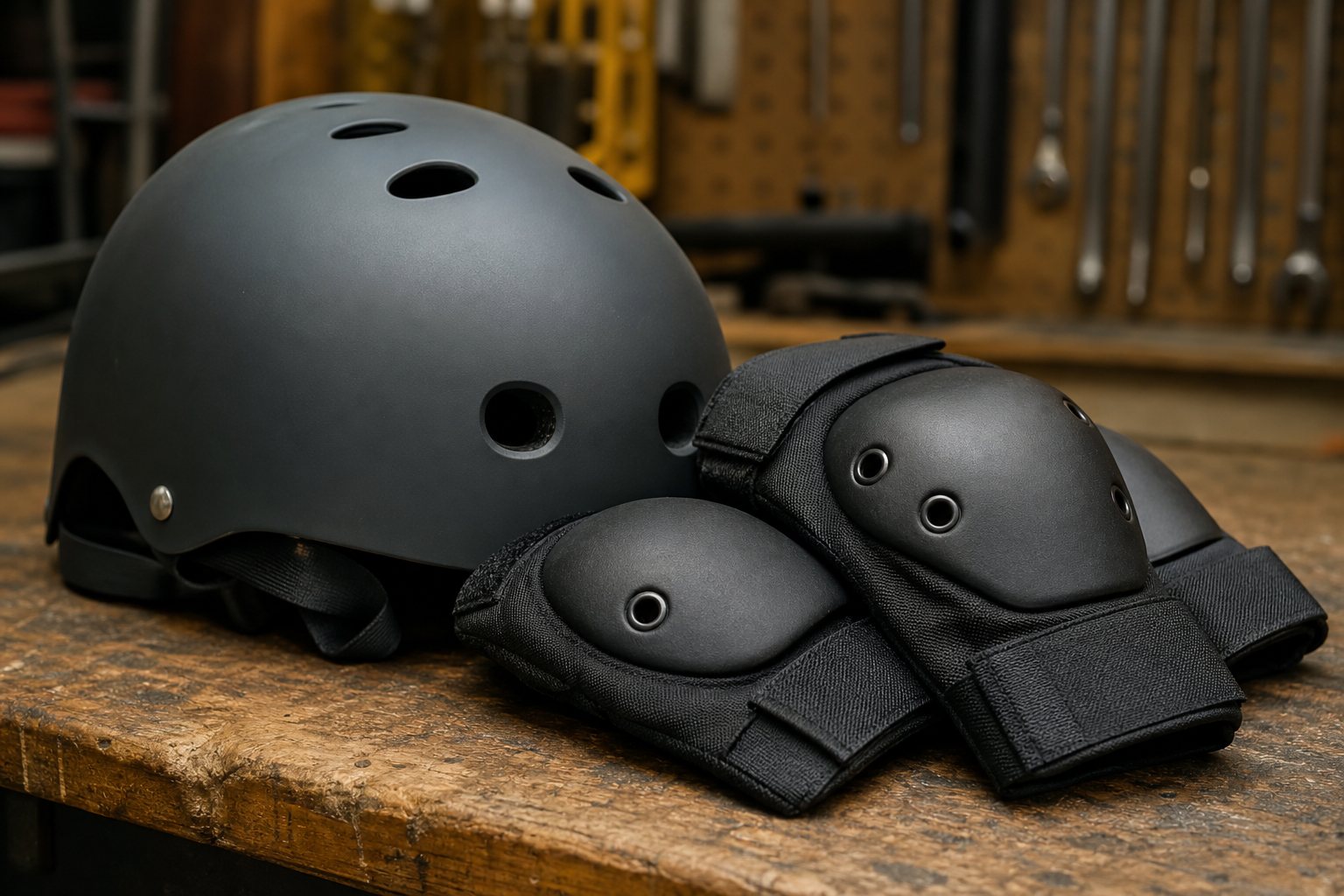
Protective gear is any equipment worn to reduce the chance or severity of an injury: helmets, mouthguards, pads, guards, eye protection, braces and flotation devices. This page is for athletes, parents and coaches who want to understand what kinds exist, how to judge fit, what standards mean, and what protective gear cannot do.
The short version is that the right gear, worn correctly, helps, but it is one layer of protection among several. No piece of equipment makes a sport risk-free, and none replaces good technique, sensible training loads and proper supervision.
Main types of protective gear
- Head protection: helmets for cycling, skiing, climbing, horse riding, football, hockey, lacrosse, baseball batting and more. Each sport uses a different design because the impacts differ.
- Face and eye protection: masks, cages, visors and sports eyewear for sports such as fencing, racquet sports and hockey.
- Mouth protection: mouthguards, used in many contact and collision sports.
- Body and limb padding: shoulder, chest, elbow, knee, shin and groin protection.
- Hand and wrist protection: gloves, wraps and wrist guards.
- Joint supports: braces and sleeves for ankles, knees and wrists.
- Water safety: life jackets (personal flotation devices) and impact vests.
Why sport-specific matters
A helmet designed for cycling is built for a different kind of impact than one designed for skiing or horse riding, and neither suits a baseball batter. Using the wrong type can leave you less protected than you think, even if it looks similar. Choose gear made for your sport and your position, and check your league’s requirements, since many leagues require specific equipment.
Fit: the part people get wrong
Protective gear only works where it sits. A loose helmet can shift on impact. Pads that slide away from the joint leave it exposed. Gear that is too tight may be uncomfortable enough that a player takes it off or adjusts it constantly.
- Follow the manufacturer’s measuring instructions (for helmets, usually head circumference) and try the item on with the hair and clothing you will actually wear.
- Check that straps and closures sit properly and that the item stays in place when you move your head or body.
- Re-check fit as children grow and replace items that no longer fit.
- Do not modify gear by drilling, cutting or adding stickers or paint unless the manufacturer says it is fine.
What standards and certification marks mean
Many items carry a label showing they meet a technical standard, set by a standards organisation or a sport’s governing body. A mark means the product was designed or tested against a defined set of requirements. It does not mean it prevents all injuries, and the relevant standard differs by sport and country. Look for the marking your sport or league names, and ignore vague claims such as “pro grade” with no standard behind them.
Some items have an expiry or replacement guidance from the manufacturer, especially helmets after a significant impact. Read the product instructions and follow them.
Limits of protective gear
Gear can lessen certain impacts, but it has clear limits:
- Helmets help protect against some head injuries, such as skull injuries, but no helmet makes a concussion impossible. See Concussion in Sports.
- Braces and supports can add stability, but they do not replace strength, technique or proper rehabilitation after an injury. See Ankle Sprains and Knee Injuries in Athletes.
- Padding can create a false sense of security, which may lead to riskier play. Technique and rules still matter.
- Worn, cracked or damaged gear may not protect as intended.
For how gear fits into a wider approach to staying safe, read Protective Equipment for Injury Prevention.
When to ask a professional
If you have had a previous injury, a medical condition, dental work or braces, or an unusual fit problem, ask a coach, athletic trainer, dentist or physician before choosing gear such as mouthguards or braces. After a head impact, do not rely on the helmet to tell you whether you are fine; follow the guidance in the concussion guide and have the person assessed.
Guides to read next
- Protective Equipment for Injury Prevention
- Sports Equipment Specifications & Sizing
- Sports Equipment Care
- Sports Gear by Sport
- Concussion in Sports
- Ankle Sprains
- Football Injury Prevention
- Ice Hockey Gear
- Cycling Gear
- Best Bike Helmets
- Best Ski Helmets
- Best Ankle Brace for Athletes
Frequently asked questions
Does a helmet prevent concussions?
No helmet can promise that. Helmets help with certain injuries, but concussion risk is also managed through technique, rules and quick assessment after a hit.
How do I know if a helmet fits?
It should sit level, feel snug without pain, and not move much when you shake your head. Follow the maker’s fit instructions.
Should I wear a brace to prevent injury?
That depends on your history and sport. A coach, athletic trainer or doctor can advise you, since a brace is not right for everyone.
Can I use second-hand protective gear?
Be cautious. Old, damaged or hard-hit gear, or gear that does not fit you, may not protect well. Check the manufacturer’s guidance first.