Every sport has equipment that has to be the right size, shape and material, and the “right” answer changes with age, level and league. This page is for parents buying a first ball or bat, coaches setting up a youth programme, and adults who want to know why a piece of kit that works in one league is not allowed in another.
It explains what equipment specifications are, which kinds of measurements matter, how age and competition level change them, and how to find the official answer for your own sport. It deliberately gives no single set of numbers: the governing body of your sport and league sets those, and they differ from place to place.
What equipment specifications are
A specification is the written description of a piece of equipment or a playing area: how big, how heavy, how hard, what it is made of, and how it must be marked or certified. Some specifications protect fairness (everyone plays with the same ball), some protect safety (a helmet that meets a standard), and some simply help you buy the right thing (a shoe size or a racket grip size).
It helps to separate three layers. Rules of the sport say what is allowed in a match. Technical standards from standards bodies say how a product must perform. Manufacturer guidance says how a specific product is meant to fit and be used. A product can satisfy one layer and not another, so check all three.
Dimensions and measurements that usually matter
Most sports regulate a handful of measurements. The names below are examples of what to look for, not values.
- Balls: size or circumference, weight, and inflation pressure. Soccer, basketball, volleyball and water polo all use different ball sizes for different ages.
- Playing surfaces: court and field length and width, line markings, and the height of goals, nets and rims.
- Rackets, bats and sticks: overall length, weight, head size, grip size, and in some sports the barrel width or material.
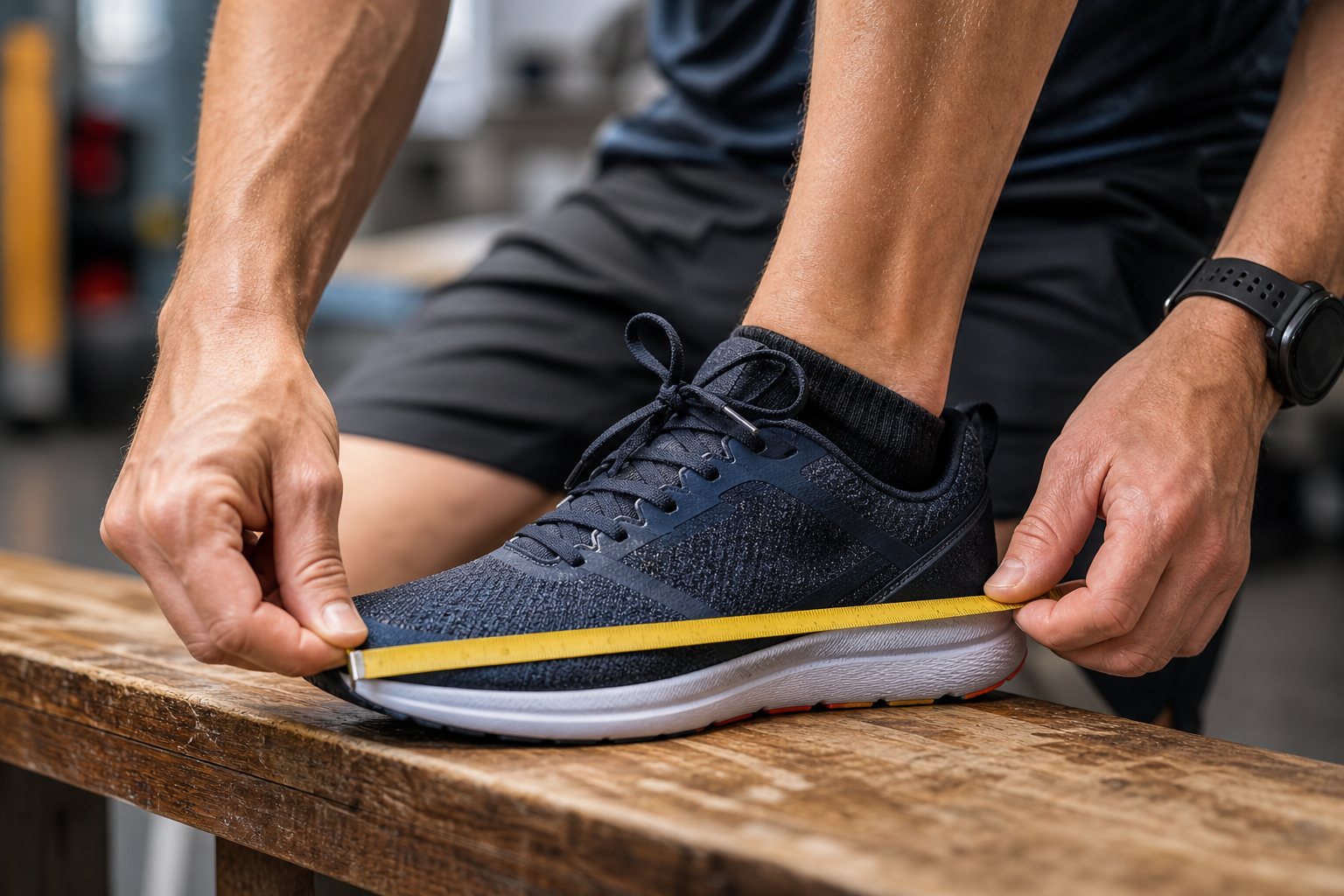
- Personal equipment: helmet and shoe sizing, glove sizes, board or boat length, and body-weight ranges for items such as life jackets.
Inflation is a good example of a detail people overlook. Many balls print a recommended pressure range on the ball itself, and a league may require a particular range for matches. A ball that is too soft or too hard changes how it bounces and how it feels to catch or kick.
Materials and construction
Materials affect weight, durability, feel and, in some cases, legality. A bat made of wood, aluminium or composite can be allowed in one league and banned in another. A ball with a leather, synthetic or rubber cover plays differently indoors and outdoors. Surfaces matter too: indoor courts, grass, artificial turf and clay each have equipment that suits them.
When two products look similar, the label is the best clue. Look for certification stamps, league approval marks and model numbers, and compare them with your league’s approved list.
Fit: sizing for the person, not just the sport
Correct size for the sport is only half the picture. The other half is size for the person. A racket grip that is too big or small, a bat that is too long or heavy for a young player, or a helmet that shifts on the head can hurt technique and comfort. Size charts differ between brands, so measure the person (foot length, head circumference, height or arm length, depending on the item) and read that brand’s own chart rather than assuming a size carries over.
For growing children, resist buying far too large “to grow into”. Oversized equipment can change how a child moves and can be unsafe. Where a sport publishes age-based guidance, follow it; where it does not, ask a coach.
Age and competition variations
Youth sport often scales the game down: smaller or lighter balls, lower hoops or nets, shorter courts and fields, and fewer players. Adult recreational leagues may be more relaxed than elite competition, where equipment can be inspected and measured before play. Girls’, boys’, women’s and men’s divisions in the same sport sometimes use different specifications as well.
Because of this, “regulation size” has no single meaning. Always ask which league, which age group and which season the specification applies to, since rules are revised from time to time.
How to find the governing ruleset
- Name the level. Is it school, club, recreational, national or international play? Each can have a different authority.
- Find the governing body. Search for the sport’s national governing body or international federation, or ask your league administrator who owns the rules you play under.
- Open the current rulebook or equipment section. Look for sections called “equipment”, “playing area”, “field of play” or “technical specifications”, and check the edition date.
- Check any league addendum. Local leagues often add their own age-group rules on top of the national ones.
- Confirm with the official. If you are unsure whether an item is legal, ask the league or referee before you buy, and keep the product label and receipt.
Our sport pages explain how each game works. See, for example, Soccer Rules, Basketball Rules and Tennis Rules, then confirm the numbers with the governing body.
Using manufacturer guidance
Manufacturers publish size charts, care instructions, age ranges and usage limits. These matter most for safety equipment, where a fit chart or “replace after an impact” notice is part of using it properly. Treat the manufacturer’s guidance as the guide to the product, and the governing body as the guide to what you may use in competition. If they disagree, follow the stricter one and ask the league.
Guides to read next
- Protective Sports Gear
- Sports Footwear & Apparel
- Sports Equipment Buying Guides
- Sports Equipment Care
- Sports Gear by Sport
- Soccer Rules
- Basketball Rules
- Tennis Rules
- Baseball Gear
- Best Youth Baseball Bats
- Best Water Polo Balls
- Best Tennis Rackets for Beginners
Frequently asked questions
Is a “regulation” ball the same everywhere?
No. Regulation depends on the sport, the league, the age group and sometimes the gender division. Check the rulebook your league actually uses.
Where do I find the correct inflation pressure?
Start with the range printed on the ball or the manufacturer’s page, then check whether your league requires a specific range for matches.
Can my child use adult-size equipment?
Usually it is better to use equipment made for their age and size. Ask the coach or league, because many youth formats require scaled-down gear.
What if a product is not on my league’s approved list?
Ask the league administrator before you use it in play. Approval often depends on a certification mark or model number.