This page is for athletes, parents and coaches who want to understand how people regain strength, movement and everyday function after an injury. It describes the general ideas and stages professionals work with. It is not a program to follow on your own: the right steps depend on the injury, the person and the advice of a qualified clinician.
If you are injured now, the most useful thing you can do is get it assessed and ask your healthcare team what is safe for you. This page will help you understand what they tell you.
What “function” means
Function is the ability to do what you need and want to do. For one person that means walking without pain and climbing stairs. For an athlete it also means running, jumping, landing, changing direction or throwing with control and confidence. Rehabilitation aims at the function that matters to you, not just at a pain-free scan or a joint that looks fine.
Rehab usually moves in stages
Though no two plans are alike, rehabilitation commonly follows a broad pattern.
- Protect and settle. Look after the injured area, manage pain and swelling, and stay as active as is safe elsewhere in the body.
- Restore movement. Regain comfortable range of motion in the affected area and the joints around it.
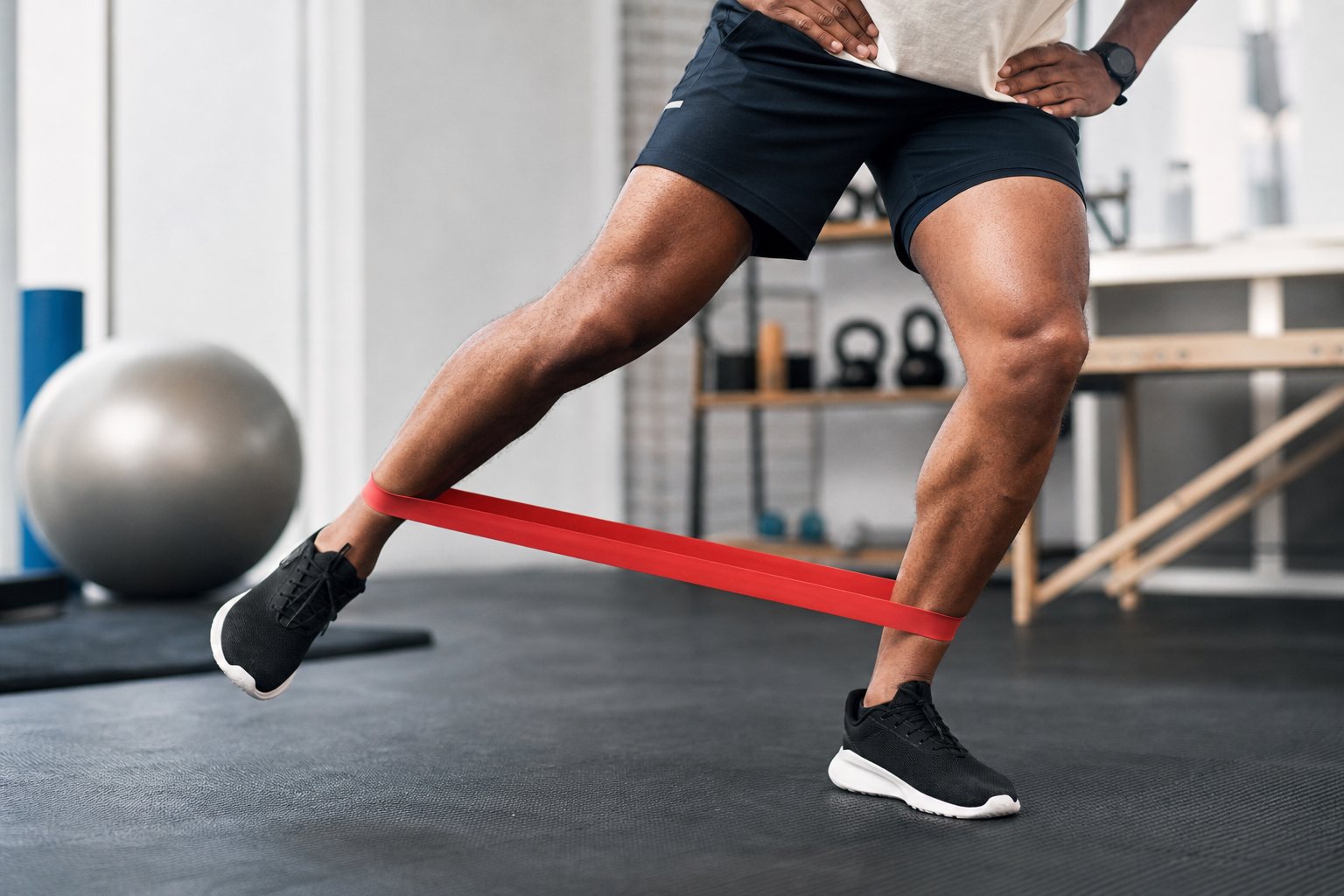
- Rebuild strength and control. Gradually load muscles, tendons and bones so they can handle more, and retrain balance and coordination.
- Return to demands. Reintroduce the kind of speed, force and skill the sport asks for, step by step.
Professionals decide when someone moves from one stage to the next based on how the body responds, not on a set number of days. Some stages overlap, and setbacks sometimes mean stepping back. See Returning to Training & Sport After Injury for the last stage.
Strength: gradual loading
Muscles, tendons and bones adapt to load, which is why gradual, controlled loading is central to most rehab. Too little and the tissue stays weak. Too much, too soon and it can be overloaded again. The art is in getting the amount right for that individual at that moment, and this is the part that most needs professional guidance.
Strength is also not only about the injured spot. Hips, trunk and the opposite limb often matter too, and a physiotherapist will usually look at the whole body rather than one joint.
Mobility: moving freely
After injury, joints can become stiff and movement patterns can change as the body protects itself. Regaining mobility means more than stretching: it involves comfortable range, smooth control and the ability to use that range in real movements. Our Mobility & Flexibility page covers the general topic for healthy athletes.
Balance, control and confidence
Injuries can disturb balance and body awareness, especially at the ankle and knee. Rebuilding that control, and trusting the body again, is a real part of recovery. It is normal to feel cautious after being hurt. Fear of re-injury is common, and telling your team about it helps them plan.
Common mistakes
- Stopping when pain stops. Pain often settles before tissue is ready for full load.
- Doing too much too soon. Feeling better is not the same as being ready.
- Copying someone else’s exercises. What helped a teammate may not suit you.
- Ignoring the rest of the body. Fitness, sleep and nutrition affect healing. Read about sleep and recovery.
- Hiding symptoms. New swelling, locking, giving way, numbness or night pain should be reported promptly.
Where to go for help
A doctor can confirm the problem and refer you on. A physiotherapist or athletic trainer can design and adjust a plan. For specific injuries, our central guides on ankle sprains, knee injuries and shoulder injuries explain the injuries themselves. Young athletes should see someone experienced with growing bodies.
Guides to read next
- Understanding Sports Injury Rehabilitation
- Returning to Training & Sport After Injury
- Mobility & Flexibility
- Joint Health
- Ankle Sprains
- Knee Injuries in Athletes
- Shoulder Injuries in Athletes
- Soccer Injuries
- Basketball Recovery
- Running Injuries
- Best Resistance Bands for Athletes
Frequently asked questions
How long does it take to rebuild strength after an injury?
It varies a great deal with the injury, the person and the plan, so there is no honest single answer. Your clinician can give an estimate for your situation and revise it as you progress.
Can I train other parts of my body while injured?
Often yes, and it can help maintain fitness, but only in ways your healthcare professional says are safe for your injury.
Is it normal to feel weaker or stiffer after being injured?
Yes. Rest and protection can reduce strength and movement, which is one reason guided rehab matters.
Should I use a brace or tape?
Sometimes they are recommended, but whether and for how long depends on the injury. Ask your clinician.