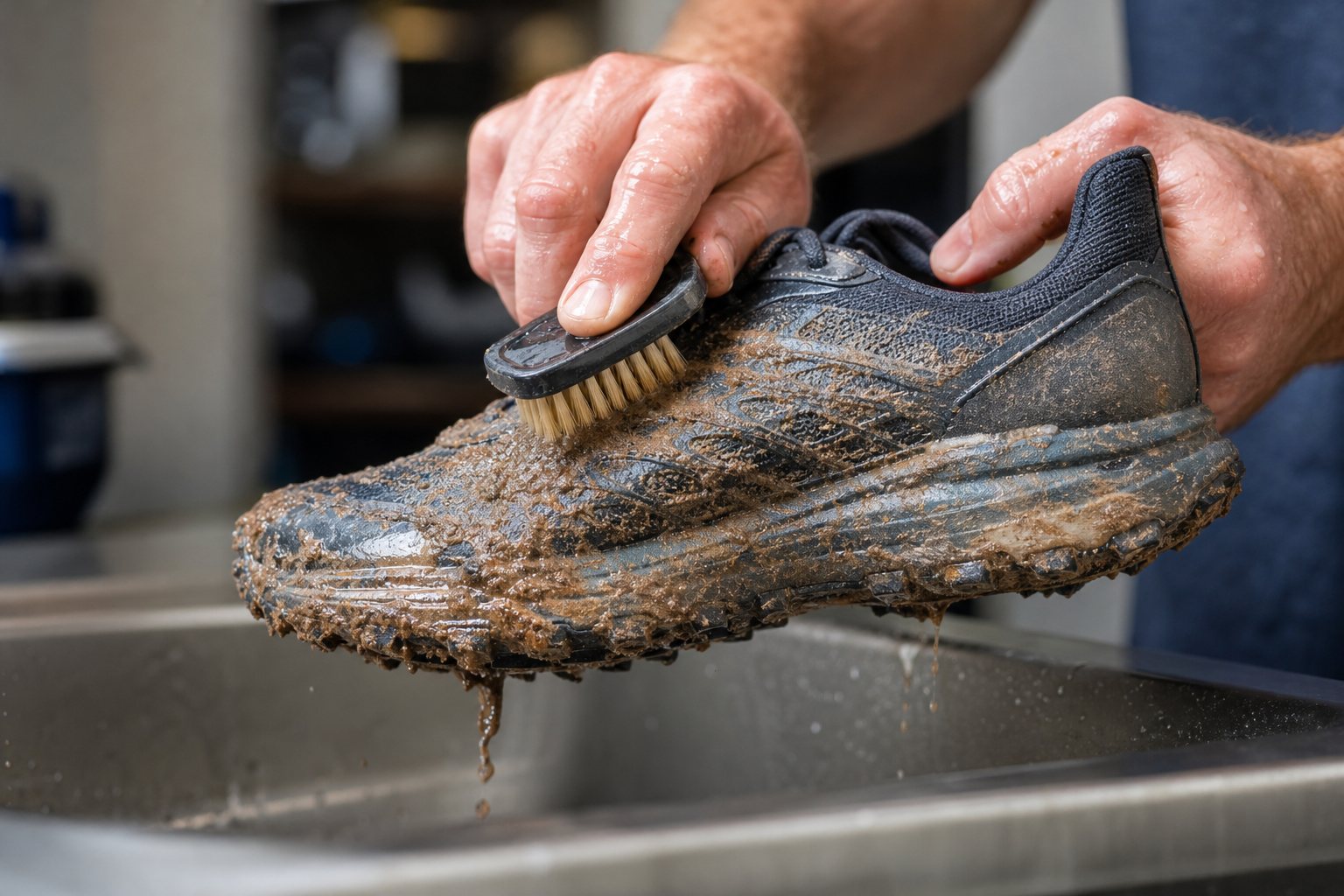
Sports equipment does its job only while it is in good condition. Worn shoes, a cracked helmet, a frayed strap or a stale water bottle can affect comfort, performance and safety. This page is for athletes, parents and coaches who want to look after their gear sensibly and know when to stop using it.
The most important rule is simple: the manufacturer’s instructions for your exact product come first. What follows is general good practice and should never override the label, manual or advice from the maker.
Start with the manufacturer’s guidance
Look for the care label, the printed manual, or the care page on the maker’s website. They tell you how to wash, dry, store and inspect that product, which cleaning products are safe, and when it should be replaced. Keep the manual, or take a photo of it, and note the purchase date. If you cannot find guidance, contact the maker or the shop before trying something unusual.
Governing bodies, leagues and clubs may also have their own equipment rules, including inspection and replacement requirements. Follow them for anything used in organised play.
Cleaning
- Clean after use where you can. Sweat, mud, chlorine and salt water wear down materials over time.
- Use only the methods the label allows. Hot water, strong detergent, bleach, a tumble dryer or direct heat can damage fabrics, foam, glue and protective materials.
- Rinse gear used in pools or the sea with fresh water if the maker recommends it.
- Wipe down shared equipment, such as mats and gloves, to reduce skin irritation and the spread of germs.
- Wash base layers, socks and compression clothing as directed, since trapped sweat can cause skin problems and odour.
Drying and storage
- Let gear dry fully before packing it away. A closed damp bag is where mould and smell begin.
- Avoid drying equipment on a radiator or in a hot car unless the maker says it is fine. Heat can shrink, warp or weaken materials.
- Store gear away from direct sunlight, extreme heat and cold, since sun and heat age plastics, rubber and foam.
- Keep items in a place that suits their shape, so helmets, rackets, sticks and boards are not crushed or bent.
- Keep equipment away from chemicals, fuel and other things that can degrade it.
Inspection: check before every use
A quick look takes a minute and can prevent injuries. Check for:
- Cracks, dents, splits or deep marks, particularly on helmets, pads, rackets, sticks, bats and boards.
- Frayed stitching, straps or laces, loose buckles, and fasteners that no longer hold.
- Worn tread or studs on shoes and cleats, or midsoles that look flattened or uneven.
- Foam that has compressed, hardened or crumbled.
- Loose parts on bikes, skates and other items with wheels, bearings or moving parts.
- Rust, corrosion, leaks or missing parts on metal and inflatable items.
- A fit that has changed, which is common with growing children.
If something looks damaged, do not use it for the activity until it has been checked. Do not try to repair safety equipment unless the maker explicitly allows it.
Maintenance
Some equipment needs regular upkeep beyond cleaning. Bikes, skates and skateboards have moving parts that need checking. Boards and boats may need care for fins, seals or inflation valves. Rackets, sticks and bats may need grip and tape changes. Follow the maker’s schedule, and take complicated work, such as bike servicing or adjusting binding settings on snow gear, to a qualified technician. Do not adjust items that affect safety, like ski bindings, without proper training.
When to replace
All gear wears out, and some of it should be replaced after a set period or after any impact, whatever it looks like. Helmets are the clearest example: many makers advise replacing a helmet after a significant hit, even if no damage can be seen, and some give a time-based limit as well. Check the maker’s and your sport’s guidance for helmets, life jackets, harnesses and other protective items.
Replace gear when:
- The maker’s guidance says it has reached the end of its life.
- It has been in a crash, a hard fall or another large impact.
- It is visibly damaged, worn through or no longer fits properly.
- It no longer meets the current rules of your league or governing body.
- It has begun to cause discomfort, blisters or pain, which can be a sign that shoes or support items have worn out or no longer suit you. If pain persists, see a health professional.
Never pass on a helmet or similar protective item with an unknown history, and avoid buying used protective gear unless you know its history.
Guides to read next
- Sports Equipment Specifications & Sizing
- Protective Sports Gear
- Sports Footwear & Apparel
- Sports Equipment Buying Guides
- Protective Equipment for Injury Prevention
- Best Bike Helmets
- Best Ski Helmets
- Best Running Shoes for Beginners
- Best Kayak Life Jackets
- Running Gear
- Cycling Gear
- Soccer Gear
- Swimming Gear
Frequently asked questions
How often should I replace my helmet?
Follow the maker’s instructions and your sport’s rules. Many makers advise replacing a helmet after a significant impact and give an age limit as well. If you are not sure, ask the maker or the shop.
Can I put sports gear in the washing machine?
Only if the care label says so. Many items, such as shoes, pads and helmets, can be damaged by machine washing or high heat, so check the label first.
How do I get the smell out of my gear?
Clean it as the maker directs and let it dry completely between uses. A damp, closed bag keeps smells and mould going.
Should children’s equipment be checked more often?
Yes. Children grow quickly and are rougher on gear, so check fit and condition often, and before each season.