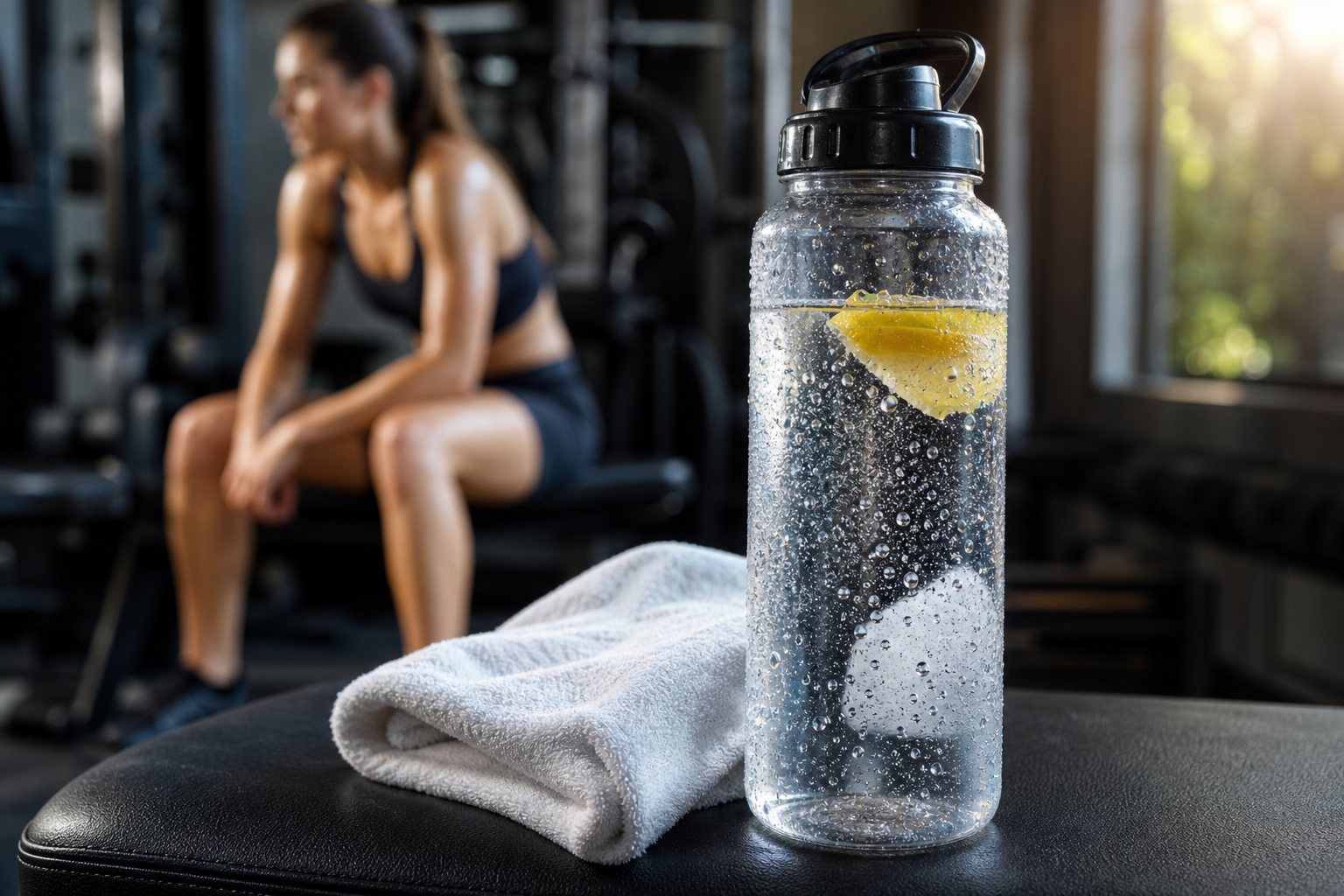
This page is the overview for hydration and electrolytes. It is for athletes, parents and coaches who want to understand why one person needs far more fluid than another, and what to think about before copying a routine from the internet.
The detailed, practical guide lives at Hydration for Athletes, and we keep it as the one main reference. Here we explain the bigger picture and point you to the right place.
Why hydration needs differ so much
Two athletes doing the same session can lose very different amounts of sweat. Body size, fitness, how well you are used to the weather, genetics and what you wore all play a part. Sweat also differs in how salty it is. That is why a fixed number for everyone is unreliable, and why we do not give one.
Conditions change the picture
Heat and humidity, direct sun, indoor courts with poor airflow, altitude and cold weather all affect how you lose and replace fluid. Hot, humid days are the ones to take most seriously, because the body struggles to cool itself. Read Heat Illness in Athletes for the warning signs and what to do.
Activity demands matter
A short, easy session is different from a long run, a tournament day with several games, or a hard cycling race. Longer and harder efforts, sports with heavy kit, and events with few drink breaks need more thought and planning. Team sports often have natural breaks; endurance events may not, so athletes plan access to drinks in advance.
Water, food and electrolytes
For most everyday activity, water and normal meals do the job. Food supplies salt and other electrolytes, which are the minerals that help muscles and nerves work. Electrolyte drinks and powders can be useful for some athletes in long or very sweaty sessions. If you are curious, see our electrolyte powder guide and the comparison LMNT vs Liquid IV. They are a tool, not a daily must.
Too little and too much
Not drinking enough can lead to tiredness, headaches, cramps and, in heat, serious illness. Drinking far more than you need, especially plain water over many hours, can also cause problems. The aim is steady, sensible drinking guided by thirst, conditions and the session, not forcing fluid.
Individual guidance and when to ask for help
People with medical conditions, those taking certain medicines, pregnant athletes, and children and teenagers may have different needs. Talk to a doctor or registered dietitian for advice that fits you. Seek urgent medical care if someone is confused, faints, has a very high temperature or cannot keep fluids down during or after activity.
Sources: this page uses general, widely accepted principles and the Nutrition and heat-illness guidance on this site. No numeric targets are given.
Guides to read next
- Hydration for Athletes (our main hydration guide)
- Heat Illness in Athletes
- Best Electrolyte Powder
- LMNT vs Liquid IV
- Best Running Hydration Vests
- Everyday Nutrition for Athletes
- Fueling Training & Competition
- Running Nutrition & Supplements
- Soccer Nutrition & Supplements
- Cycling Nutrition & Supplements
- Triathlon Nutrition & Supplements
Frequently asked questions
How much should I drink during exercise?
It depends on you, the weather and the session. Our hydration guide explains how to think about it.
Do I need an electrolyte drink?
Not for most short or easy sessions. Some athletes find them helpful in long, hot or very sweaty efforts.
Is clear urine the goal?
Pale yellow is a common rough sign of being well hydrated, but it is not a precise test and is affected by other things.
Can kids use sports drinks?
Water is usually enough for most young athletes. Ask a paediatrician if you are unsure.
Official sources
These pages from health authorities are worth reading alongside this guide. We link to them for further reading; we are not quoting them.
- NHS: Water, drinks and hydration: General NHS guidance on fluids and drinks for most adults. Athletes' needs vary with activity and conditions.