This article contains affiliate links: if you buy through them we may earn a commission, at no extra cost to you. Read our affiliate disclosure.
Find a sport that fits your interests, abilities, goals and everyday life. Whether you are choosing a first sport for your child, starting as an adult, returning after a break or looking for a new challenge, explore your options and understand what getting started involves.
Compare sports by age, experience, physical demands, accessibility, location, equipment, time and cost. Discover what you might enjoy, what you will need and how to take your first step.
Search sports and activities
Type a sport, an everyday name or a discipline. Search matches alternative names too, so “football”, “ping pong” or “bouldering” will find the right guide.
Explore sports by category
Every guide on AthleteRx belongs to at least one category, and many belong to several: a sport can be Olympic, have professional leagues and also be played just for fun. Pick the category that matches how you want to take part, or go straight to the A–Z list if you already know the sport.
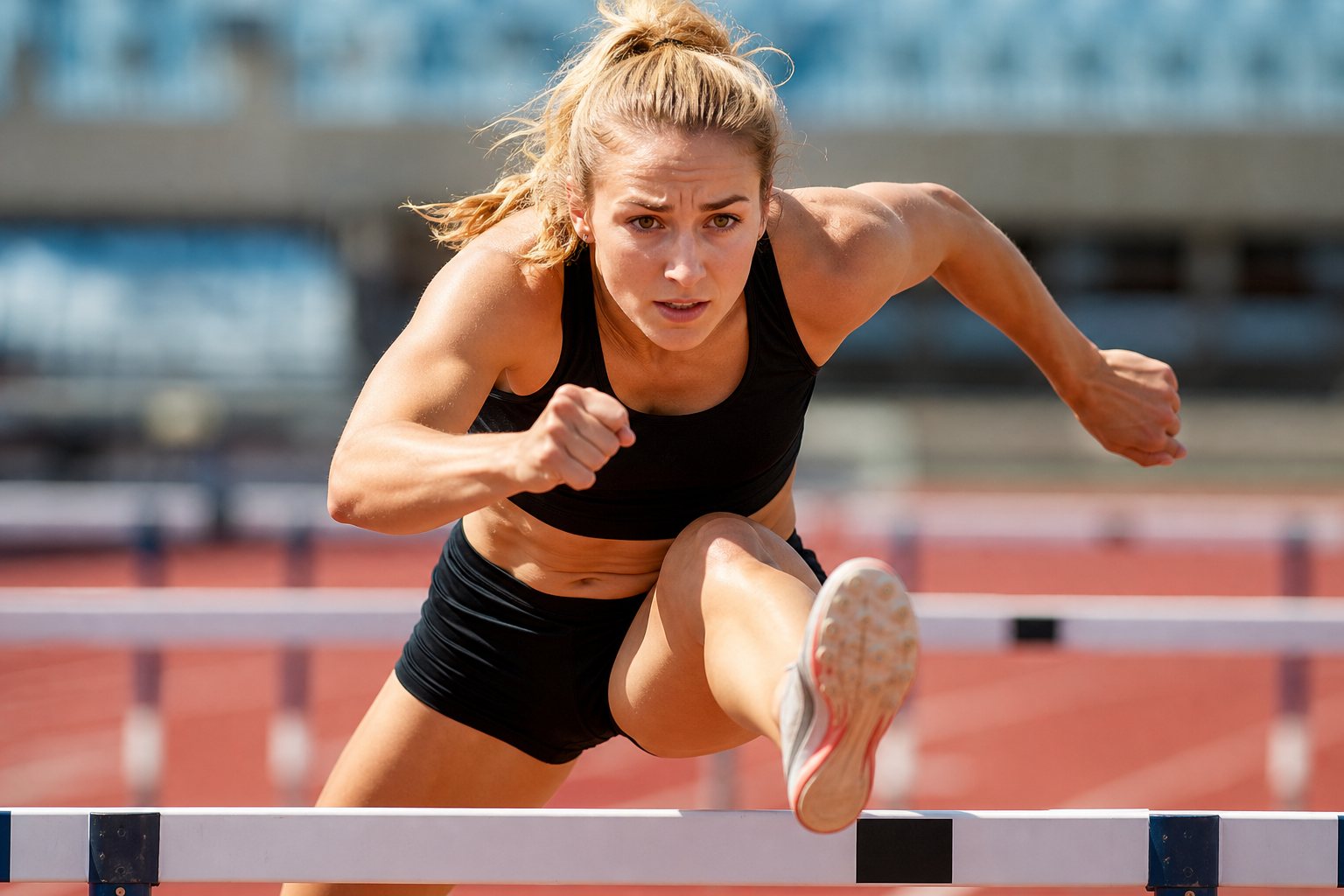
Summer Olympic Sports
70 guides: 41 sports, 28 disciplines and variants, 1 umbrella guideExplore summer Olympic sports, their disciplines, beginner pathways, equipment and opportunities to participate.
Explore Summer Olympic Sports →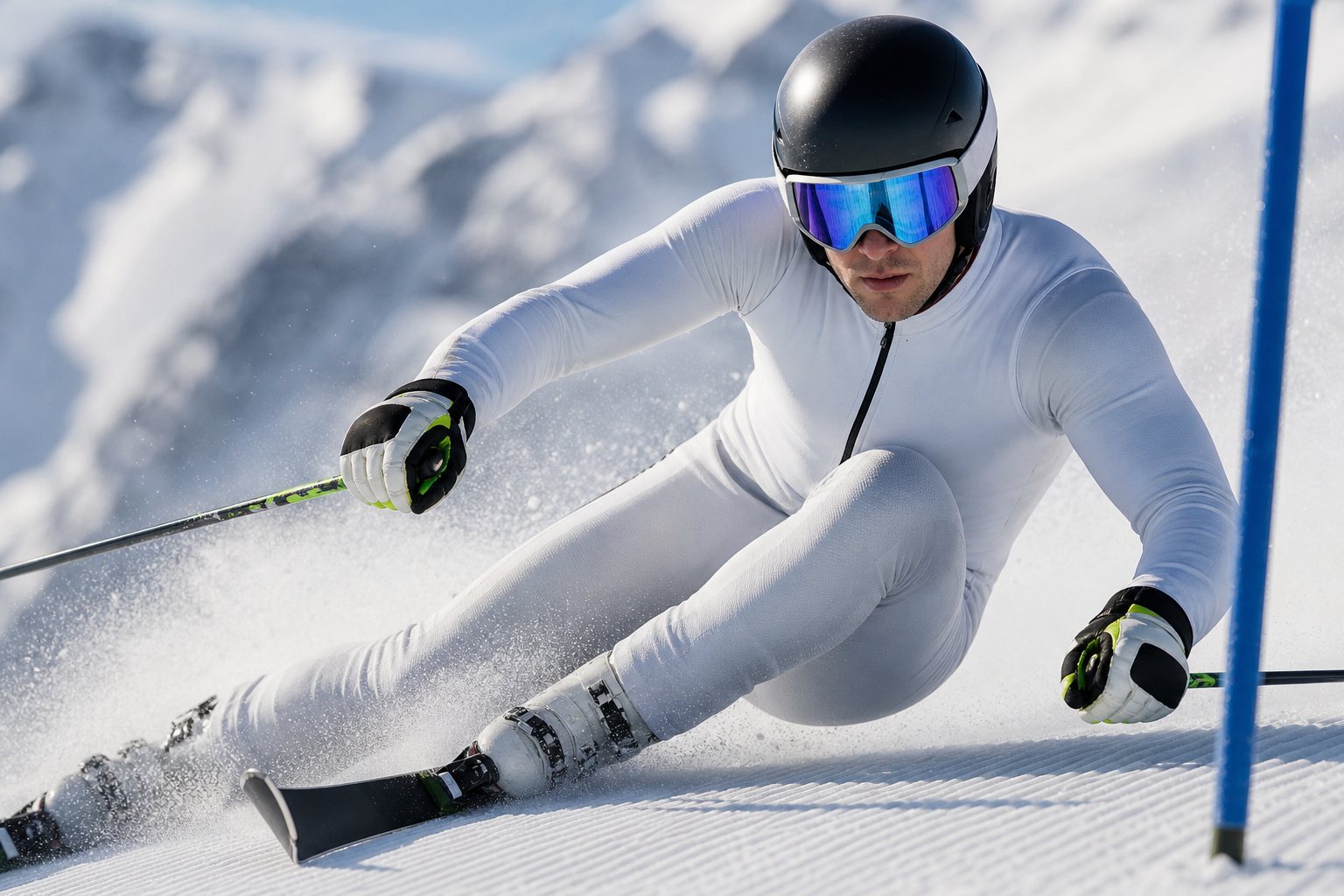
Winter Olympic Sports
18 guides: 7 sports, 9 disciplines and variants, 2 umbrella guidesDiscover snow and ice sports, compare their demands and learn about lessons, facilities, equipment and seasonal access.
Explore Winter Olympic Sports →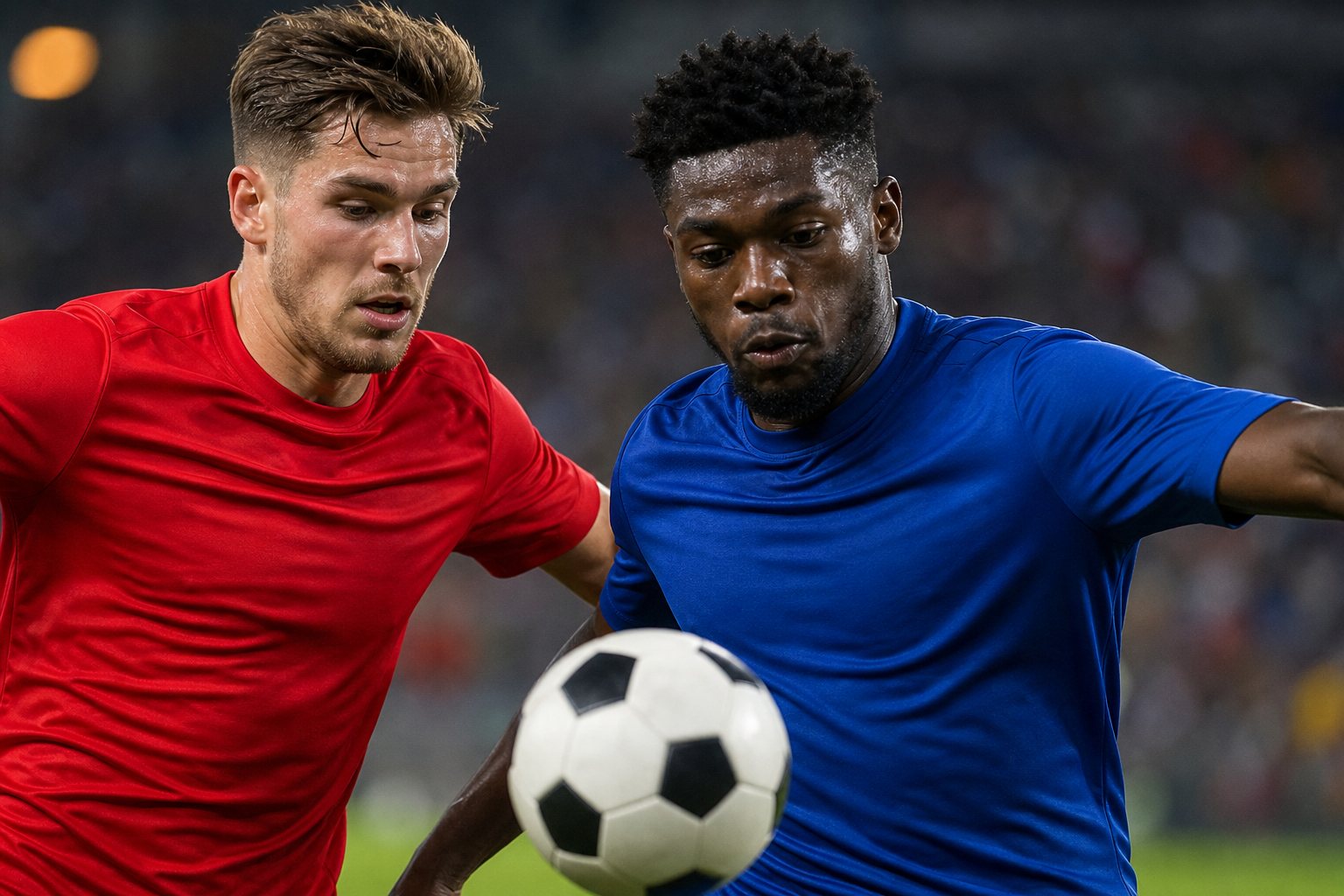
Professional & Competitive Sports
53 guides: 45 sports, 1 activity, 5 disciplines and variants, 2 umbrella guidesExplore organized competition, from local clubs and amateur leagues to advanced and professional pathways.
Explore Professional & Competitive Sports →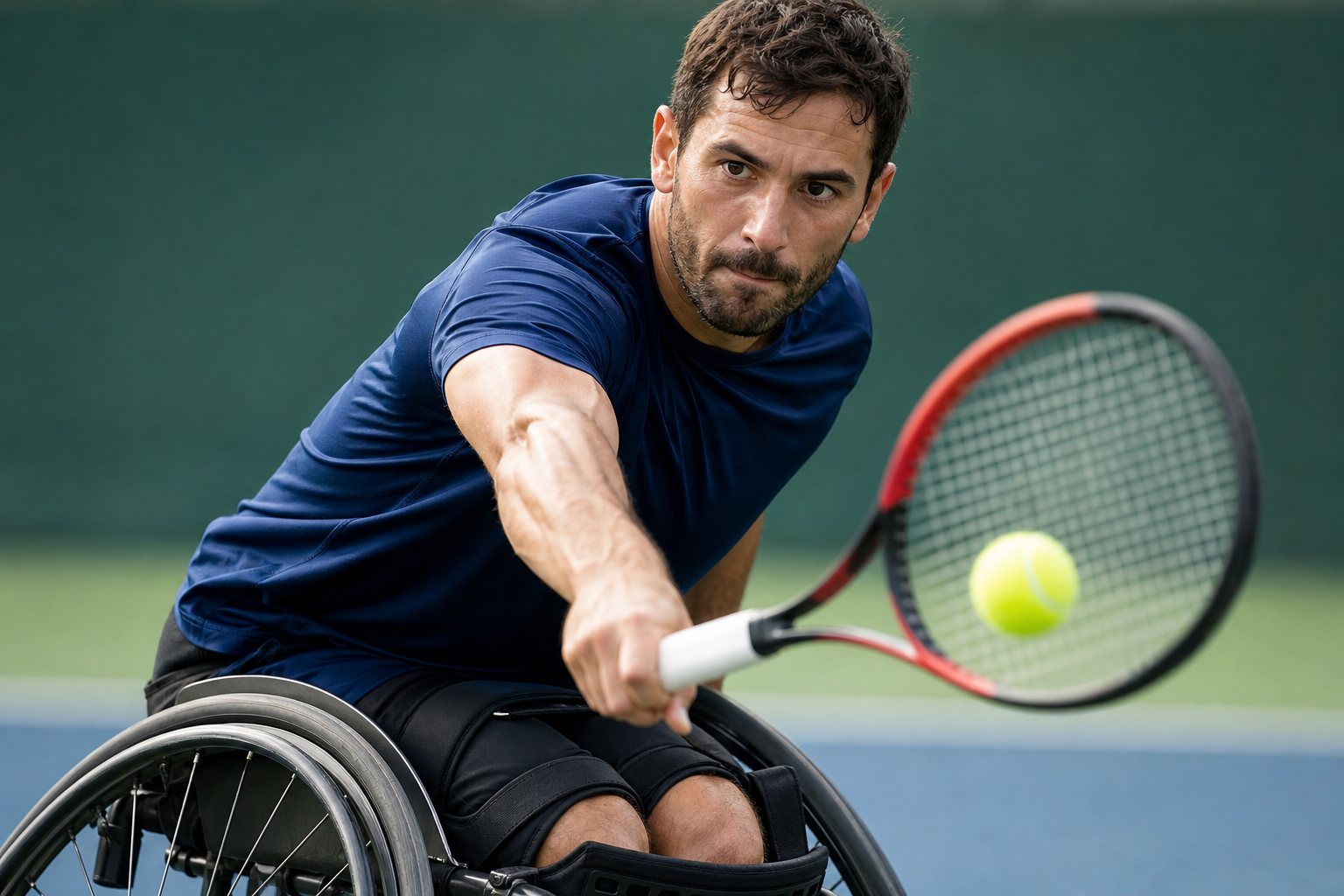
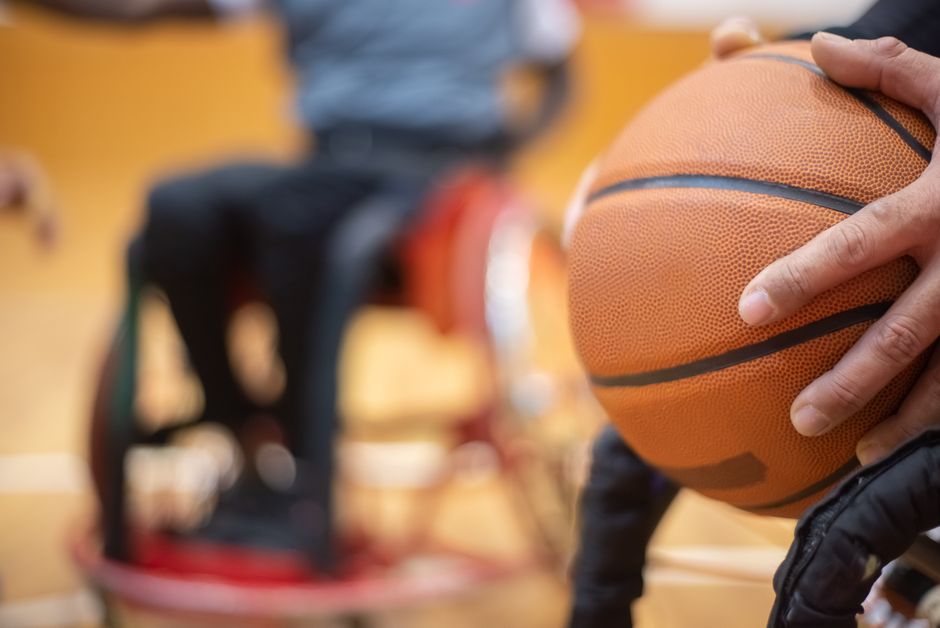
Adaptive & Paralympic Sports
19 guides: 19 sportsDiscover adapted activities, accessible participation options, specialist equipment and competitive pathways.
Explore Adaptive & Paralympic Sports →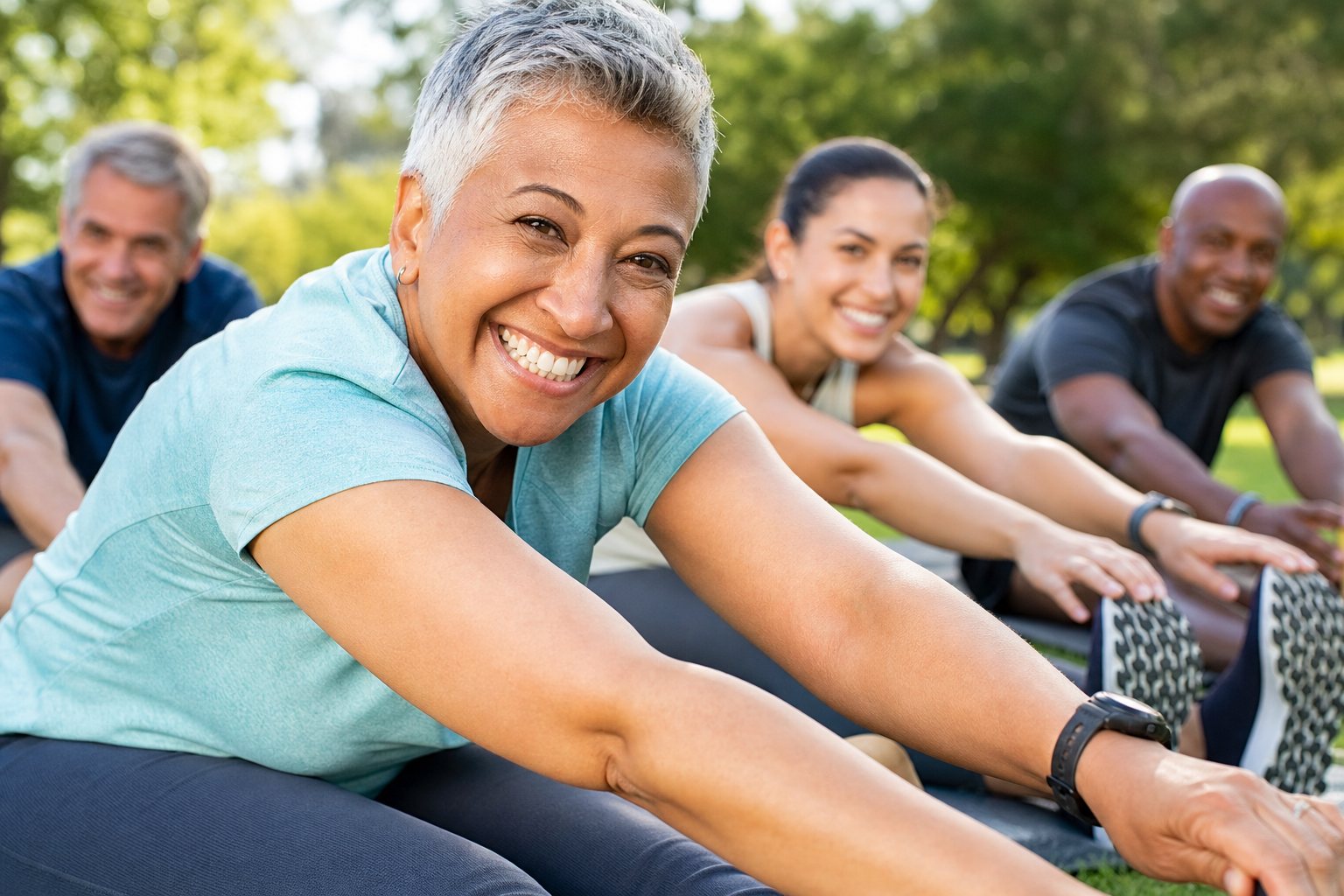
Fitness, Recreation & Movement
33 guides: 16 sports, 12 activities, 4 disciplines and variants, 1 umbrella guideFind activities for fitness, enjoyment, movement, outdoor adventure and social connection.
Explore Fitness, Recreation & Movement →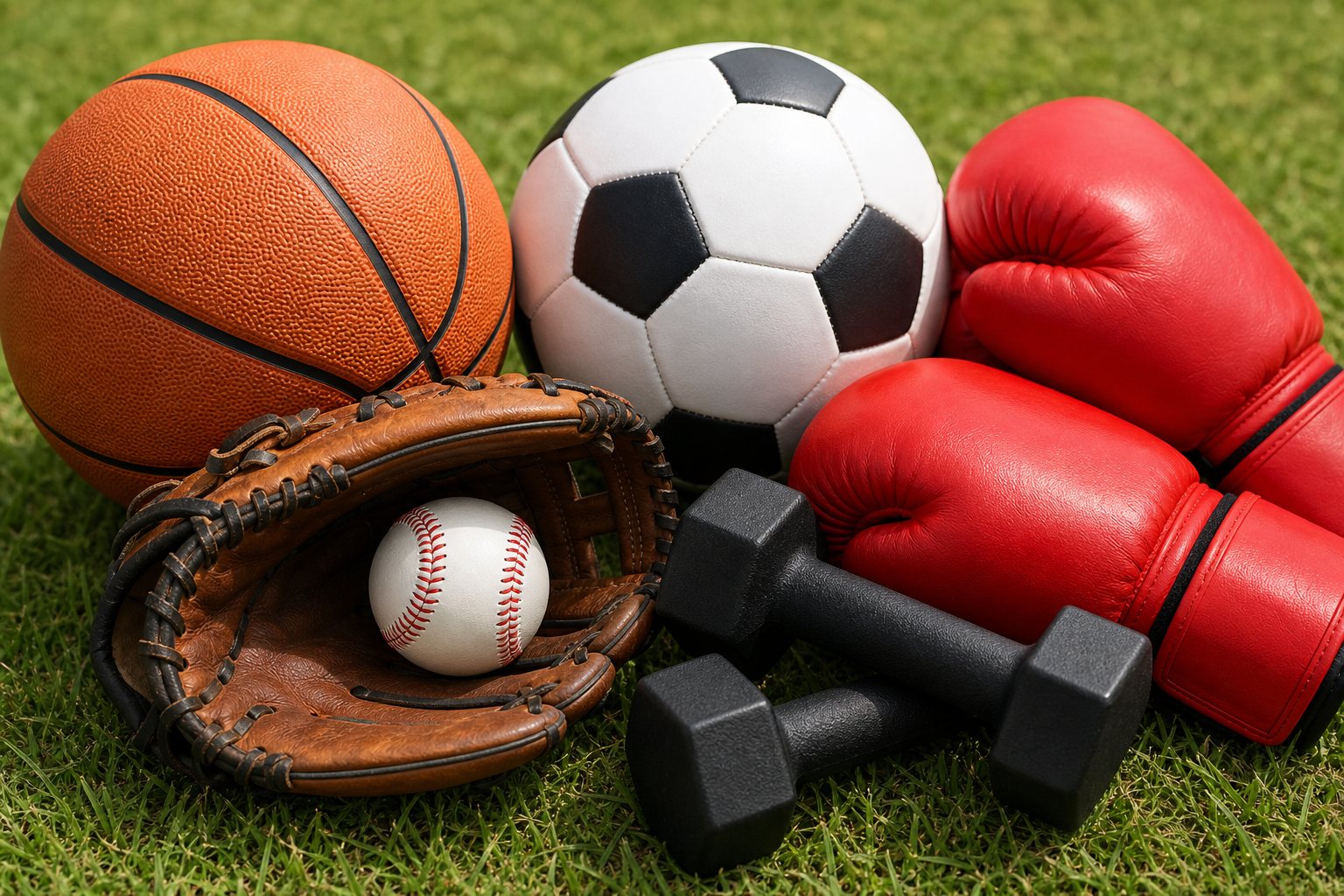
All Sports A–Z
150 guides: 96 sports, 13 activities, 37 disciplines and variants, 4 umbrella guidesAlready have a sport in mind? Browse the complete alphabetical directory of sports, disciplines and activities.
Explore All Sports A–Z →Images: AI-generated.
How to choose the right sport
There is no single best sport. The right one is the one you will enjoy enough to keep doing. Use the questions below as a checklist: you do not need clear answers to all of them, and your answers can change over time.
Interests and enjoyment
Start with what you naturally like. Some people love games and tactics, others like racing against a clock, perfecting a technique, lifting heavy things or exploring the outdoors.
Ask yourself whether you would enjoy regular practice as well as the occasional competition, and whether you prefer a coach who structures each session or the freedom to train on your own.
Personal goals
Be honest about what you want from the sport: general fitness, strength, endurance, coordination and balance, mobility, confidence, social connection, recreation, learning a skill, competition or long-term participation.
Different goals point in different directions. A sport that is perfect for meeting people may not be the best choice for building maximum strength, and that is fine.
Age and life stage
Children usually benefit from trying several activities before settling on one. Teenagers may begin or change sports as their interests and schedules shift. Adult beginners, people returning after a long break and older adults all start somewhere, and many sports have beginner groups for them.
It helps to separate starting recreational participation from entering an elite development pathway. The first needs a welcoming club and a little curiosity. The second has its own selection, schedules and commitments. Avoid reading “too old” into a sport without looking at the actual options near you.
Talent and natural strengths
Coordination, balance, speed, endurance, strength, precision and tactical thinking all help in different sports, and all of them can develop with practice.
Qualities that may help top-level performance are not requirements for enjoying a sport. Body type or early talent does not decide whether someone belongs, so treat it as one input, not a gatekeeper.
Skill and experience
Look at how beginner friendly a sport is: how steep the learning curve feels, whether skills carry over from other activities, whether you need instruction from the first day and whether beginner groups exist nearby.
Trying a sport and becoming ready to compete are two different steps, and most people take the first for a long time before the second.
Fitness and physical demands
Sports ask for different things: sustained endurance or short bursts of effort, strength and power, mobility and balance. Contact level, impact and repetitive loading also vary.
These demands change with format, intensity and level. Gentle recreational play and elite competition in the same sport can feel very different. For health questions, our guides on safety and injury prevention and training and performance explain what to look out for.
Personal needs and accessibility
Think about mobility and sensory access, communication and learning preferences, adapted equipment, accessible venues, coaching support and inclusive participation opportunities.
AthleteRx does not make medical suitability decisions for you. If you have a health condition or injury, talk to a doctor, physical therapist or athletic trainer first. Our adaptive and Paralympic sports page explains the options and what to ask a program.
Location and facilities
The best sport on paper is not much use if you cannot get to it. Check which courts, fields, pools, trails, clubs and specialist venues exist near you, how far they are, how you would travel there and whether qualified coaching is available.
Urban and rural areas offer different options, so look at what you can practice close to home before falling in love with something that needs a long journey.
Climate and season
Consider whether you would play indoors or outdoors, which seasons the sport runs in, how weather and daylight affect training and whether there is a year-round alternative.
Many outdoor sports have indoor versions, such as climbing gyms, indoor courts, pools and rinks.
Equipment and clothing
List the essentials you need to begin, the optional upgrades and any protective equipment. Check fit and sizing, and whether you can borrow, rent or buy.
Remember storage, maintenance and replacement. Many clubs and programs lend equipment for the first sessions, so you rarely need to buy everything at once. Our gear guides compare equipment when you are ready.
Cost
Look at the full picture: starting equipment, lessons, memberships, registration, facility access, transport, travel, competition fees, and ongoing replacement and maintenance.
The cost of trying a sport can be very different from the cost of competing regularly. We do not publish price estimates because they vary by place and level, so ask clubs for a complete list before you commit.
Time commitment
Check session length, how often you would practice each week, travel time, fixed fixtures, competition weekends and recovery time.
Think about how this fits with school, work and family. A sport you can keep up is better than one that burns you out in a month.
Team, individual and social preferences
Team sports share responsibility and often come with built-in friendships and fixed schedules. Individual sports let you practice independently and set your own pace.
Individual sports can still have strong club communities, so ask how people meet and train together.
Comfort with the activity
Some sports involve physical contact, water, heights, speed, outdoor exposure or competition pressure. It is normal to feel unsure about some of these.
Appropriate instruction and gradual familiarization help, and good programs introduce these elements step by step.
Coaching and community
Look for beginner support, a clear teaching style, inclusion, safeguarding policies, appropriate coaching qualifications and a club atmosphere where you feel welcome.
If you do not feel welcomed or supported, try another club or another sport. The community is part of the activity.
Long-term fit
Think about whether you can progress, find recreational alternatives, adjust intensity as life changes, move to related disciplines and keep the activity going as your lifestyle evolves.
The sports people stay in for decades are usually the ones they can adapt over time.
Compare your options
This table shows common patterns for a selection of popular sports. It compares facts we can describe reliably, not scores for difficulty, safety, suitability or cost, because those depend on the person, the format and the place. “Varies” always means ask the local club.
| Sport | Team or individual | Indoor or outdoor | Main facility needs | Essential equipment | Beginner instruction | Schedule flexibility | Recreational and competitive options |
|---|---|---|---|---|---|---|---|
| Swimming | Individual, with team relays | Indoor or outdoor | Pool or open water | Swimsuit, goggles, cap | Helpful for stroke technique and water safety | Often flexible lane times; teams set fixed practices | Recreational lap swimming, masters, club and elite racing |
| Running | Individual (clubs and relay teams exist) | Mostly outdoor; treadmills indoors | Roads, tracks, trails or a treadmill | Running shoes and weather-suitable clothing | Optional; coaching and run clubs help with pacing and injury prevention | Very flexible | Parkruns and fun runs, clubs, road, track, trail and elite racing |
| Basketball | Team (also 1-on-1 and 3×3) | Both | Court with hoops | Ball, court shoes | Useful for skills and team play | Fixed practices and games; pickup games vary | Rec leagues, school, club, college and professional |
| Soccer (Football) | Team | Mostly outdoor; indoor and futsal formats | Field or pitch; indoor courts for futsal | Ball, boots or trainers, shin guards where required | Useful for beginners, especially children | Fixed practices and match days; casual games vary | Rec, school, club, college and professional |
| Tennis | Individual or doubles | Both | Court (hard, clay, grass or indoor) | Racquet, balls, court shoes | Useful for technique and safe strokes | Flexible when booking courts with a partner | Social play, leagues, juniors, college and professional |
| Pickleball | Doubles or singles | Both | Small court; many parks and rec centers have them | Paddle, ball, court shoes | Short beginner clinics are common | Flexible drop-in play often available | Social play, tournaments and leagues |
| Cycling | Individual (team events exist) | Mostly outdoor; indoor trainers and tracks | Roads, trails, paths or an indoor velodrome | Bike that fits, helmet | Optional; group rides and skills sessions help | Very flexible | Commuting, group rides, mountain biking, road, track and elite racing |
| Climbing | Individual (usually with a partner) | Indoor gyms or outdoor rock | Climbing gym or crag | Shoes and harness; rentals are common in gyms | Strongly recommended for safety skills | Flexible gym hours | Gym sessions, outdoor climbing, competitions |
| Judo | Individual | Indoor | Dojo with mats | Judogi (uniform); clubs often lend one for a first class | Needed to learn falls and safe throws | Fixed class times | Club classes, belt grades, local to Olympic competition |
| Gymnastics | Individual (team scoring exists) | Indoor | Gym with apparatus and padding | Leotard or athletic wear; grips in some events | Needed for safe skill progressions | Fixed class times | Recreational classes, club levels and elite competition |
| Rowing | Crew or individual | Mostly outdoor; indoor ergometers | Water with a boathouse, or an indoor rowing machine | Boat and oars supplied by clubs; athletic clothing | Needed for boat handling and safety | Early-morning or fixed crew times are common | Learn-to-row, masters, school, college and elite racing |
| Volleyball | Team | Indoor or outdoor beach | Court with a net; beach courts for beach volleyball | Ball, knee pads optional, court shoes | Useful for skills and team play | Fixed practices; open play varies | Rec leagues, school, club, college and professional |
| Badminton | Singles or doubles | Mostly indoor | Court with net | Racquet, shuttlecocks, court shoes | Useful for technique | Flexible when booking courts | Social play, club leagues and elite competition |
| Yoga | Individual | Both; mostly indoor | Studio, gym, home or outdoor space | Mat; props optional | Helpful to learn alignment and style | Very flexible: classes or at home | Classes and practice; competition exists only in some styles |
| Hiking | Individual or group | Outdoor | Trails and paths | Suitable footwear, weather clothing, water | Not required; a map or guide helps | Very flexible | Recreation, group hikes and challenge events |
| Skateboarding | Individual | Mostly outdoor; indoor parks exist | Skate park, street or bowl | Board, helmet, pads | Lessons help with safe falls and basics | Very flexible | Casual skating, community events and competition |
| Wheelchair Basketball | Team | Indoor | Gym with hoops | Sport wheelchair (many programs lend chairs), ball | Useful for chair skills and team play | Fixed practices and games | Recreational programs, clubs, national and Paralympic play |
Entries describe common patterns. Facilities, equipment, instruction and schedules vary by format, level and location, so check with a local club or program.
Want to compare something not listed here? Open its guide: every sport guide explains the formats, equipment and ways to get started. Our A–Z directory lists them all.
Try before you commit
You do not need to decide in advance. A short trial gives you better information than any guide.
- Choose a few activities that interest you, even if you are not sure yet.
- Find a beginner session, introductory class or club open day.
- Ask about equipment, access, instruction and the full cost of taking part for a season.
- Borrow or rent equipment where appropriate before you buy.
- Try the experience at least once or twice. First sessions can feel awkward.
- Evaluate how much you enjoyed it, how supportive the coaches and group were, whether the schedule works and whether you can afford it.
- Decide whether to continue or to explore another option. Changing your mind is part of the process.
Browse by personal circumstances
We only link to pages that exist and are kept up to date. These are good starting points for different situations.
- Beginners: use the comparison table above, then open any guide and start with its “Skills, Rules & Getting Started” page (for example basketball or swimming).
- Returning after a break: read the sport’s training and injury-prevention pages, such as running training and running injury prevention, and ease in gradually.
- Children and teenagers: many guides have a youth page, such as soccer, swimming and gymnastics.
- Adults and older adults: browse fitness, recreation and movement, where activities are organized around enjoyment and consistency.
- Team or individual activities: the comparison table shows which is which for the sports listed.
- Indoor or outdoor activities: the comparison table lists where each sport is usually played.
- Minimal equipment: see the equipment column in the comparison table and the “Gear & Equipment” page in any guide.
- Adaptive participation: go to Adaptive & Paralympic Sports.
- Competition: see Professional & Competitive Sports, Summer Olympic and Winter Olympic sports.
What you will find in each sport guide
Every sport on AthleteRx has a main guide and eight section pages. Together they cover:
- Getting started, rules and formats, and skills in “Skills, Rules & Getting Started”.
- Training and performance, including what the sport asks of the body.
- Safety and injury prevention, and common injuries and rehabilitation information.
- Recovery and mobility, nutrition and athlete health, and mental preparation.
- Gear and equipment, including what matters when buying and what to check on fit.
- Recreational and competitive pathways, and where relevant youth and adult participation.
The main guide also explains the facilities and playing environment. Equipment specifications such as ball sizes or court dimensions depend on the governing body, level and age group, so each guide names the rule set it describes. For an example, open the basketball guide.
Browse the health side of sport through our injuries and joint health, recovery and rehabilitation and nutrition and athlete wellness guides.
Gear and recovery basics
Once you have a sport in mind, a few items turn up in almost every gym bag. Each has its own buying guide: recovery shoes, electrolytes and massage guns. These are general examples, not a substitute for the sport-specific gear advice in each guide, and none of them is needed to start.
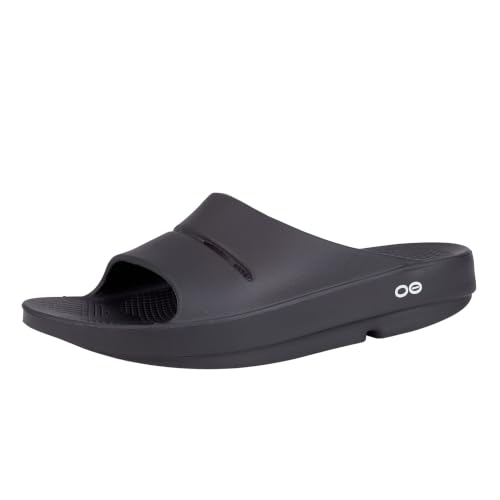
OOFOS OOahh Slide
- OOfoam recovery slide
- APMA Seal of Acceptance
- Machine washable

Nuun Sport
- Electrolyte tablets
- Dissolve in water
- Easy to carry
$23.20 at Amazon, as of Nov 22, 2026 12:07 UTC
Check price on Amazon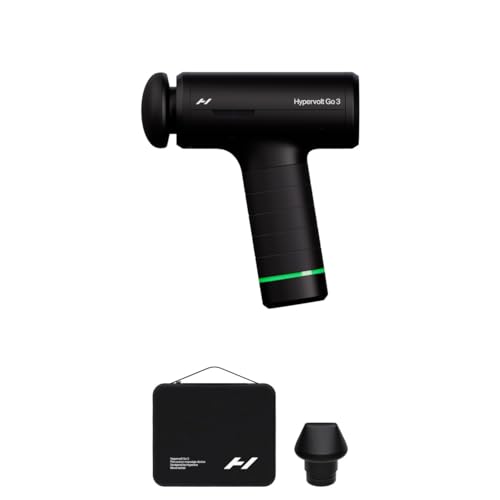
Hyperice Hypervolt Go 3
- Compact massage gun
- Carry case
- Fits a gym bag
$119.00 at Amazon, as of Nov 22, 2026 12:07 UTC
Check price on AmazonFrequently asked questions
How do I choose a sport as a beginner?
Start with what you enjoy and what is practical: what is near you, what fits your schedule and what you can afford to try. Pick two or three options, attend a beginner session for each and see how you feel afterwards. There is no wrong first choice.
Do I need natural talent to start?
No. Talent can make some things come quicker, but skill, fitness and confidence develop with practice and good instruction in almost every sport. Beginners groups exist because everyone starts without the skills.
Can I start a new sport as an adult?
Yes. Many clubs run adult beginner sessions, and some sports are especially common starting points for adults. Look for programs that say they welcome beginners, build up gradually and talk to a health professional first if you have a medical concern.
How do I choose a sport for my child?
Let your child try several activities and notice what they look forward to. Ask about coaching style, safeguarding, how the program treats beginners and what the full commitment is. Our sport guides have youth pages for many sports.
How can I compare the total costs?
Ask each club or program for a complete list: equipment, lessons, membership, registration, facility fees, transport, travel and competition costs, plus replacements during the year. Trying a sport usually costs much less than competing regularly.
Should I try lessons before buying equipment?
Usually yes. Beginner sessions often lend equipment, and a coach can tell you what fits you. Buy once you know you will continue and you have advice on what to look for.
How do I find accessible participation options?
Start with adaptive and Paralympic sports, then contact programs directly and ask about venue access, adapted equipment, communication support and coaching experience.
Can I participate without competing?
Yes. Most sports have recreational, social or training-only options, and many people never compete. See fitness, recreation and movement for activities built around enjoyment.
How do I choose between team and individual sports?
Think about whether you want shared responsibility and built-in social contact, or independence and flexible practice. You can also try both: many people play a team sport in one season and train an individual sport in another.
- Summer Olympic Sports
- Winter Olympic Sports
- Professional & Competitive Sports
- Adaptive & Paralympic Sports
- Fitness, Recreation & Movement
- All Sports A–Z
- Back to Choose Your Sport
This site shares general information for athletes, parents and coaches. It is not medical advice: for an injury, a concussion or a health question, see a doctor or other qualified professional. See how we work in our editorial policy.