This article contains affiliate links: if you buy through them we may earn a commission, at no extra cost to you. Learn more.
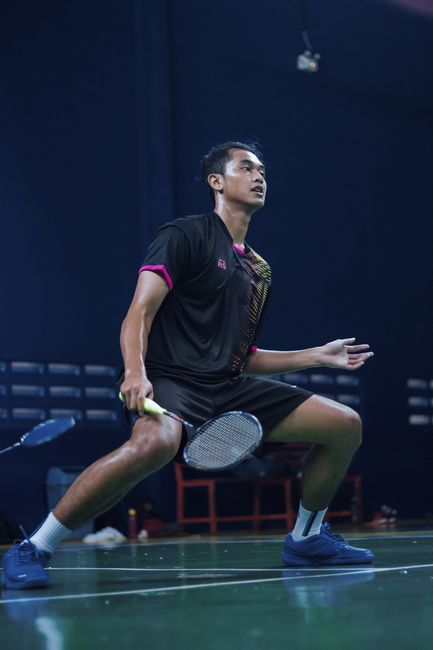
A school gym on a Tuesday night, eight courts taped on the floor, the squeak of shoes and the soft pop of a shuttle off a fresh string bed. A backyard net strung between two trees at a summer barbecue. A packed arena at the Olympics, where a smash flies too fast for most eyes to follow. Badminton is all of these at once: one of the world’s most played sports, which a 2015 review in Sports Medicine put at about 200 million players, and one of the most demanding when it’s played hard.
Badminton, page by page
- Rules: how the game works at every level
- Leagues & associations: pro, college, high school and youth
- Youth & high school: ages, safety and recruiting, for players and parents
- Injuries & sports health: prevention, concussion, when to see a pro
- Training & conditioning: before: off-season to in-season
- Game day: during: fueling, hydration, heat
- Recovery: after: games, tournaments, sleep
- Nutrition & supplements: what to eat, tested supplements
- Best wearables: trackers and watches for the sport
- Gear: the complete equipment list
Buying guide · Our Badminton buying guide compares the gear we'd pick, with prices and sizing:
This page is badminton for players and the people who look after them: how the game works (including the big scoring change coming in January 2027), what it looks like from kids’ programs to the Olympics, and, most of all, how to stay healthy playing it. Sports health is the heart of it: the badminton injuries players get most, why Achilles tendons and shoulders need respect, why your eyes need protection, and when to see a professional. Then training, recovery and the gear you really need.
Badminton at a glance
| Events | Men’s and women’s singles, men’s and women’s doubles, mixed doubles: the five Olympic events. |
|---|---|
| Scoring | Rally scoring: every rally wins a point. Best of three games to 21 (win by 2, capped at 30). From January 4, 2027, the BWF switches to best of three games to 15 (win by 2, capped at 21). |
| Court | 13.4 m (44 ft) long; 6.1 m (20 ft) wide for doubles and 5.18 m (17 ft) for singles. Net 1.524 m (5 ft) high at the center and 1.55 m (5 ft 1 in) at the posts. |
| Shuttle and racket | Feather shuttles have 16 feathers and weigh 4.74–5.50 g; nylon shuttles must fly like them. Rackets are at most 680 mm long and 230 mm wide. |
| Governing bodies | Badminton World Federation (BWF) worldwide; USA Badminton in the US. Badminton is not an NCAA sport; college players compete in clubs. |
| Main physical demands | Short, very intense rallies: a typical elite rally lasts about 7 seconds with about 15 seconds of rest, and heart rate averages over 90% of maximum. Lots of lunges, jumps and overhead smashes. |
| Most common injuries | Lower-limb injuries (ankle, knee, Achilles tendon) first, then shoulder and other upper-body overuse; eye injuries from the shuttle are rare but serious. |
How badminton works
Players hit the shuttle over the net and try to land it on the floor inside the other side’s court. A rally ends when the shuttle lands, goes out, fails to cross the net, or a player commits a fault, such as touching the net or hitting the shuttle twice. Whoever wins the rally scores a point and serves next. Lines are in.
The serve is where badminton is strict. Under the BWF Laws of Badminton, the server hits underhand, the whole shuttle must be below 1.15 meters from the floor at contact, both feet stay still on the floor, and the serve goes diagonally into the receiver’s service court. You serve from the right service court when your score is even and from the left when it’s odd. In doubles, the short service line and the doubles long service line make the service box short and wide; in singles it’s long and narrow.
The 2027 change: in April 2026, BWF members voted 198 to 43 to adopt the 3×15 scoring system. From January 4, 2027, a game goes to 15 points; at 14-all you need a two-point lead, and at 20-all the next point wins. The one-minute interval moves from 11 points to 8, and in a deciding game players change ends at 8. Until then, the 21-point system applies. Our badminton rules page explains serving, faults and doubles in detail.
Badminton at every level
Kids and youth
Many kids first play in PE class. The BWF’s Shuttle Time schools program, which USA Badminton launched in the US in 2023, gives teachers free lesson plans and, for programs that use the curriculum, rackets, shuttles and nets, with nearly two dozen hour-long lessons for ages 5 to 15. Kids who want to compete join a club and USA Badminton, then play sanctioned junior tournaments in five age groups: under-11, 13, 15, 17 and 19. See our youth badminton guide.
High school
Badminton is a school sport in only a handful of states, but where it exists it’s big. The NFHS participation survey counted 19,563 high school badminton players in 2024-25: 14,041 girls at 580 schools and 5,522 boys at 270 schools. California has the most by far; girls’ badminton is also offered in states such as Illinois, Arizona, New York, Minnesota and Maryland.
College
There are no NCAA badminton championships, so college badminton is club badminton: student-run teams that play in regional leagues (UC San Diego’s club, for example, plays in the Southern California Collegiate Badminton League) and qualifying events for a national intercollegiate team championship. USA Badminton also holds Collegiate Nationals, which in 2025 doubled as the selection event for the World University Games.
Pro, world and Olympic badminton
The top players travel the HSBC BWF World Tour: in 2026, 29 tournaments in four tiers (Super 1000, 750, 500 and 300) leading to the World Tour Finals, plus Super 100 events below. The YONEX U.S. Open, a Super 300, was held at Cal State Fullerton on June 23–28, 2026. The BWF also runs the World Championships (New Delhi in August 2026) and the team world championships: the Thomas Cup for men, the Uber Cup for women and the Sudirman Cup for mixed teams.
Badminton has been an Olympic sport since Barcelona 1992, with mixed doubles added in 1996, and para badminton joined the Paralympics at Tokyo 2020 with six sport classes for wheelchair, standing and short-stature athletes. At Los Angeles 2028, both are planned for USC’s Galen Center. Who runs what is on our leagues and associations page.
Adult and recreational
Most badminton in the US happens in club gyms, community and recreation centers, and drop-in nights, where players rotate onto courts and mix singles and doubles. USA Badminton sanctions adult tournaments and an Adult National Championships (December 19–22, 2026 in Morrisville, North Carolina). If you’re returning after years away, go easy for the first few weeks: badminton’s lunges and jumps are hard on calves and Achilles tendons that aren’t ready for them.
Sports health for badminton players
Badminton has no tackles, but it’s far from gentle: the repeated lunging, jumping and overhead hitting load the legs and the hitting shoulder. This section is general information, not medical advice. If you’re hurt, see a professional.
The most common badminton injuries
A 2026 systematic review of elite players found that more than 45% had been injured in the past year. Most injuries were in the lower body (54–71%), then the upper body (30–46%), and the most common types were tendon problems (tendinopathy) and sprains. In practice that means:
- Ankle sprains and knee injuries: from lunges, quick stops and landings. A 2026 review of prospective studies linked ACL injury risk with how the knee moves and takes load during lunges and landings, such as the knee caving inward.
- Achilles tendon ruptures: badminton shows up again and again in Achilles studies. In Malmö, Sweden, almost two-thirds of ruptures came from sport, “notably badminton”; in a Stockholm study, badminton, floorball and soccer together caused more than half; and in Shanghai, badminton caused 27% of sports-related ruptures.
- Shoulder overuse: from thousands of overhead clears and smashes. The same 2026 review found reduced internal rotation in the hitting shoulder and weak rotator cuff muscles were risk factors.
- Eye injuries: rare, but serious when they happen (more below).
Achilles tendon: respect the push-off
The American Academy of Orthopaedic Surgeons (AAOS) explains that Achilles tears usually happen when the calf muscle is stretched too quickly, such as landing from a jump or a sudden cutting movement. People often hear a pop, then have pain and swelling near the heel and can’t rise up on their toes on that leg. In the Shanghai study, ruptures in the first 10 minutes of play were far more common among players who hadn’t warmed up (22.4%) than among those who had (5.5%). A real warm-up, gradual build-up after time off and calf strength work are the simple defenses. A pop and weakness in the calf or heel is a reason to stop and see a doctor the same day.
Protect your eyes
A shuttle can come off the racket at extraordinary speed: Guinness World Records lists a 565 km/h (351 mph) smash in testing. The American Academy of Pediatrics and the American Academy of Ophthalmology class badminton as a high-risk sport for eye injuries because of its small, fast projectiles, and recommend eye protectors that meet ASTM F803 for racket sports. In a five-year review of 88 badminton eye injuries at a Melbourne eye hospital, bleeding inside the eye (hyphema) was the most common injury, and 90% of patients needed medical treatment. One player’s glasses shattered from a shuttle hit, so ordinary glasses aren’t protection. Doubles players at the net are most exposed. Any eye hit with pain, blurred vision or blood in the eye needs urgent care.
Concussion: recognize and remove
Concussions aren’t common in badminton, but a racket to the head in doubles, a collision with a partner or a fall can cause one. The CDC’s HEADS UP advice applies: if a player seems dazed, confused or slow to react, or complains of headache, dizziness or blurry vision after a blow to the head, stop play for the day and see a healthcare provider before returning. Call 911 for seizures, passing out, a headache that keeps getting worse, or one pupil larger than the other.
Young players and overuse
A 2026 scoping review found injuries are common in youth badminton players, with risk that may rise in mid-to-late adolescence and among elite juniors who train more. The American Academy of Pediatrics warns that specializing in one sport too early, and intense training in general, can bring overuse injuries and burnout. Build in rest days and other sports.
When to see a doctor, physical therapist or athletic trainer
Don’t play through pain. See a professional for a pop at the back of the ankle, an ankle you can’t put weight on, a knee that gives way, a shoulder that hurts on every overhead shot, any eye injury, or concussion signs. A sports medicine physician manages most sports injuries without surgery and refers on when needed. A physical therapist guides rehab and the return to play. Athletic trainers are licensed or regulated health care professionals in all 50 states; if your school has one, start there. Our badminton injuries page goes deeper.
Training and conditioning for badminton
Off-season and preseason: badminton is short, explosive rallies with brief rests, and the 2015 Sports Medicine review estimated the energy comes about 60–70% from the aerobic system and about 30% from the anaerobic system. So train both: intervals, footwork patterns to all six corners of the court, agility (see our speed training equipment guide), leg strength for lunges, calf work for the Achilles, and rotator cuff strength for the hitting shoulder (bands work well: see resistance bands for athletes).
In season: warm up before every session, not just matches, and add court time gradually before a tournament block. Many players track sleep and recovery with a wearable (see Whoop vs Oura vs Garmin and HRV for athletes), and the mental side matters in a sport decided by tiny margins: mental training tools for athletes. More on our badminton training page.
Tournament day: the sports-nutrition position statement from the American College of Sports Medicine and two dietitians’ groups recommends a pre-exercise meal that is high in carbohydrate, moderate in protein, low in fat and fiber, made of familiar foods and eaten roughly 1–4 hours before. Halls can get warm, and a tournament can mean several matches in a day, so bring fluids and snacks (see our electrolyte powder guide). See badminton tournament day and nutrition and supplements.
Recovery after badminton
Recovery starts with the basics. Sleep comes first: the CDC, citing the American Academy of Sleep Medicine, recommends 9–12 hours a night for children 6–12, 8–10 hours for teens and 7 or more for adults. Then a real meal and fluids, or a protein shake when dinner is hours away (see our protein powder guide).
Simple tools help many players feel better between sessions: a foam roller or massage gun for calves, quads and the hitting shoulder, an ankle brace after a past sprain, knee sleeves if they feel good to you, and soft recovery shoes once the court shoes come off. They’re about comfort, not treatment; pain that doesn’t go away needs a professional. More on our badminton recovery page and in our recovery tools guide.
Gear for badminton
- Racket: light (Yonex lists 4U rackets at an average of 83 g) and pre-strung is fine to start. Head-light rackets are quicker; head-heavy ones add power.
- Shuttles: nylon for practice and most club play (more durable, cheaper); feather for tournaments. Pick the speed for your hall’s temperature.
- Court shoes: low, light indoor shoes with gum-rubber soles built for side-to-side movement, not running shoes.
- Eye protection: polycarbonate eyewear meeting ASTM F803, especially for juniors and doubles players.
Four simple picks: the Yonex NanoFlare 1000 Play, a pre-strung, head-light starter racket (about $58 on Amazon in October 2026); a tube of Yonex Mavis 350 nylon shuttles (about $23 for six); Tourna Clear Eye Protection, polycarbonate eyewear the maker says meets ASTM F803 (about $17); and the OOFOS OOahh Slide from our recovery shoes guide for after the last match. The full list is on our badminton gear page.
Yonex NanoFlare 1000 Play
- 4U, G5 grip
- Head-light, medium flex
- Pre-strung, cover included
Yonex Mavis 350 Nylon Shuttles (6)
- Nylon skirt, cork base
- Tube of 6
- Speed by temperature
Tourna Clear Eye Protection
- Polycarbonate wrap lens
- Meets ASTM F803 (maker)
- Anti-fog coating
OOFOS OOahh Slide
- OOfoam slide
- APMA Seal of Acceptance
- Machine washable
For more after the match, browse Recovery & Regeneration and Training & Performance, or the right tracker on our best badminton wearables page.
Badminton FAQs
How does badminton scoring work?
Every rally wins a point, whoever served. Until the end of 2026, a match is best of three games to 21, win by two, with a cap at 30. From January 4, 2027, BWF games go to 15, win by two from 14-all, capped at 21.
What is the most common badminton injury?
Lower-body injuries come first, such as ankle sprains, knee problems and Achilles tendon trouble, followed by shoulder and other upper-body overuse. Tendon problems and sprains are the most common types in elite players.
Why do badminton players tear their Achilles?
The tendon usually tears when the calf is stretched quickly, such as a sudden push-off or landing, and badminton is full of those. Several studies list badminton among the top causes of sports-related ruptures. Warm up, build up gradually after a break and keep your calves strong.
Should badminton players wear eye protection?
The AAP and the American Academy of Ophthalmology class badminton as high-risk for eye injuries and recommend eye protectors meeting ASTM F803 for racket sports. Regular glasses can shatter, so wear proper polycarbonate eyewear, especially in doubles and for kids.
Is badminton an Olympic sport?
Yes, since Barcelona 1992, with five events: men’s and women’s singles and doubles, plus mixed doubles since 1996. Para badminton joined the Paralympics in 2020, and both are planned for USC’s Galen Center at LA 2028.
Can you play college badminton in the US?
Yes, through college club teams; badminton isn’t an NCAA sport. Clubs play regional leagues and qualifiers for a national intercollegiate championship, and USA Badminton holds Collegiate Nationals.
Badminton gives back a lot: speed, friends and a game you can play from grade school to retirement. The players who last warm up properly, protect their eyes, strengthen calves and shoulders, sleep and listen to pain. Keep exploring: our recovery tools guide, Nutrition & Supplements for tournament days, our tennis guide if you play other racket sports, and every other sport on our sports hub.