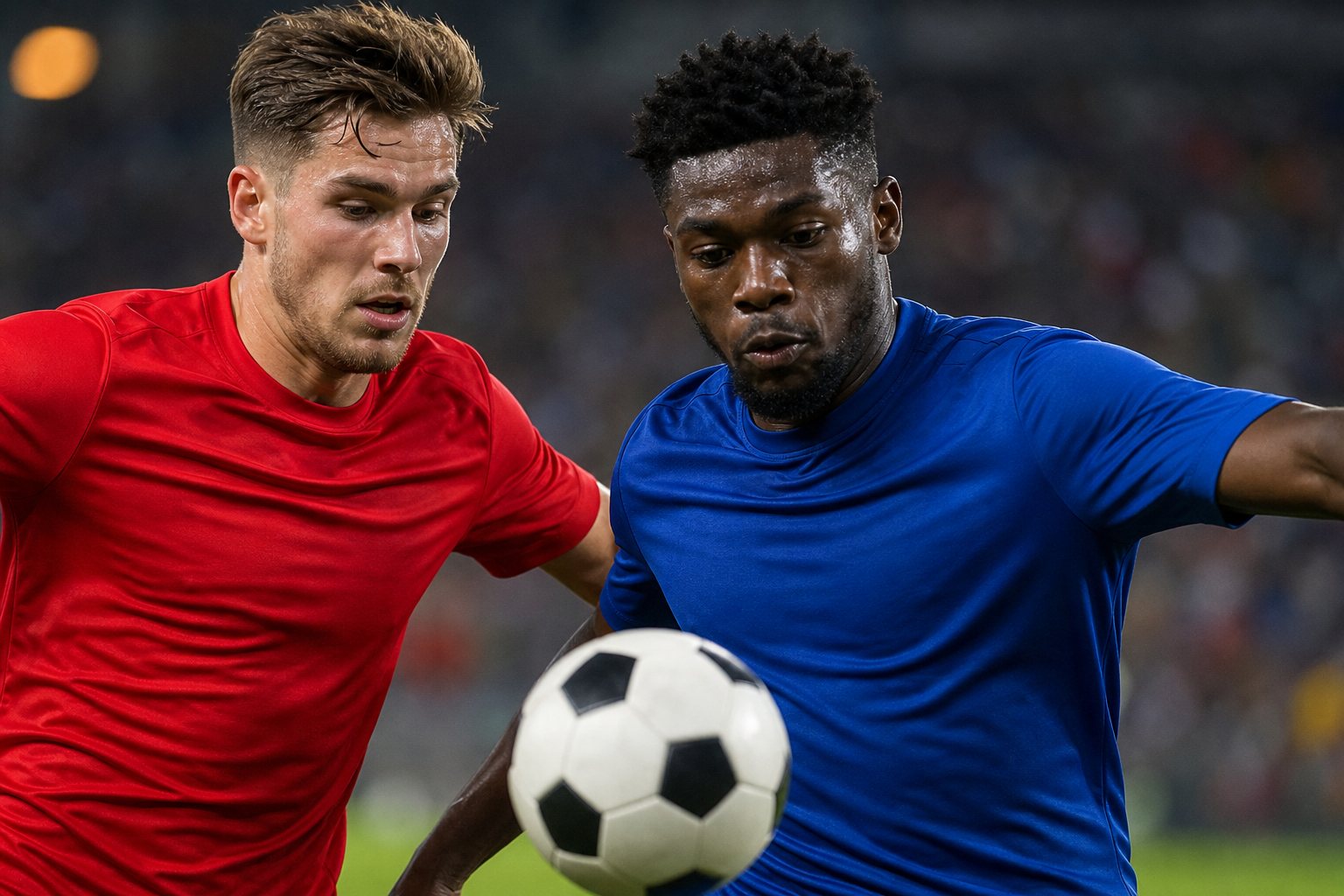
This page is for anyone curious about organized competition, and you do not need to be a professional to be here. Most people who compete never get paid for it. They play in a weekend league, race in a local event, join a club team or test themselves at a regional meet. This category simply gathers the sports where organized competition exists, from a first friendly match to the top professional level.
The categories on AthleteRx overlap on purpose. Many sports listed here are also on the Olympic programme, so you will find them on the Summer Olympic or Winter Olympic pages too. Others appear in adaptive and Paralympic or fitness and recreation as well. “Competitive” here means there are rules, results and a structure around the sport, not that it sits outside the Olympics. Browse everything on the main sports page or in the A to Z list.
The ladder of competition
Think of organized sport as a ladder with many doors. You can enter on any rung, stay as long as you enjoy it, and step off or sideways whenever you like. The table below describes the usual levels. Names and structure differ a lot between sports and countries, so treat it as a map, not a rule.
| Level | What it usually looks like | Who it suits |
|---|---|---|
| Recreational leagues | Community or social leagues, often in seasons, with a relaxed approach to results. | Beginners, returners and anyone who wants regular games and company. |
| Amateur clubs | Club teams or club memberships with coaching, training nights and a fixture or event calendar. | People who want to improve and compete without it being a job. |
| School and college | Teams run through schools, colleges and universities, where those systems exist in your country. | Students. Availability and rules vary widely by country and by institution. |
| Advanced and elite | Regional, national and international events, often with qualifying standards, rankings or selection. | Athletes who train seriously and meet the entry requirements. |
| Professional | Leagues or tours where athletes are paid to compete, in sports that have them. | A small share of competitors. Many sports have no professional tier at all. |
Recreational leagues and amateur clubs
Recreational leagues are the easiest door. They are usually built around fun, fitness and friendships, with teams balanced so that people of mixed ability can play. Amateur clubs go a step further. They tend to offer a regular coach, scheduled training, and a calendar of matches or events against other clubs. In individual sports such as cycling, running, martial arts or bowling, a club often means a shared training group and a way to enter local events.
School and college pathways
In some countries, schools and colleges are a major route into organized sport. In others, clubs do most of that work and schools play a smaller part. If you are a student or a parent, ask your school, college or local sports body what exists near you, and how eligibility, transfers and seasons work. We cannot promise that any team, scholarship or place will be available, and rules differ by institution and country.
Advanced, elite and professional competition
Beyond club level, competition becomes more selective. Regional and national championships, and international events, often ask athletes to meet a qualifying standard, hold a ranking or pass a selection process. Professional participation exists in many sports on this page, such as soccer, basketball, tennis, golf, boxing and motorsports, but each has its own structure, and in some sports almost nobody competes full time as a paid professional.
Be realistic about this. Reaching an elite or professional level depends on talent, health, coaching, opportunity and a great deal of luck. Nothing on this site can promise a contract, a scholarship, an income or a place on a national team. Plenty of people enjoy decades of rewarding competition without ever getting near those rungs, and that is a perfectly good outcome.
Sports with organized competition
Here is our directory of guides for sports in this category. There are dozens of guides to explore, and each one covers how the sport works, common injuries, training and recovery. If a sport is also on an Olympic programme, its guide says so and names the edition.
 American Football
American football at every level: how the game works, flag to NFL, football injuries, concussion, heat, contact limits, training, recovery and gear.
 Australian Rules Football
Aussie rules explained: how the game works, scoring, levels from junior footy to the AFL and the USAFL, concussion and hamstring safety, and gear.
 Baseball
 at every level, from tee ball to MLB and LA28: how the game works, baseball injuries, pitch counts, helmets, concussion, training and recove…
 Basketball
 at every level, from youth to the NBA, WNBA and 3×3: how the game works, basketball injuries, ankle braces, concussion, training and recov…
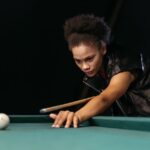 Billiards
 for every level: how 8-ball, 9-ball and 10-ball work, pool for beginners, leagues, juniors, the pro tour, back care and the gear you need.
 BMX discipline
BMX racing and freestyle at every level: how it works, classes and the Olympics, BMX injuries, full-face helmets, concussion, training and recovery.
 Bowling
Ten-pin bowling at every level, from youth leagues to the PBA and NCAA: how the game works, bowling injuries and prevention, training, recovery and g…
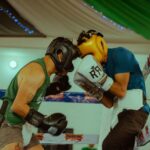 Boxing
 at every level: amateur, Olympic, pro and fitness boxing, how bouts are scored, boxing injuries, concussion, safety rules, training and recove…
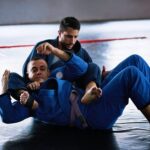 Brazilian Jiu-Jitsu
BJJ for beginners: how matches are scored, belts and kids divisions, knee and leg lock injuries, skin hygiene, training, recovery and gi gear.
 Cricket
 at every level: Test, ODI and T20, youth to MLC and LA28, the most common cricket injuries, helmets and concussion, fast-bowler back care, ge…
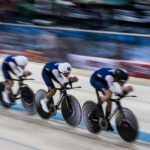 Cycling
 at every level, road, mountain, gravel, track and BMX: how it works, cycling injuries, helmets, concussion, road safety, training and recover…
 Darts
Darts for beginners and beyond: 501 and cricket, steel-tip vs soft-tip, board height and oche distance, leagues and pro tours, darts health and gear.
 Esports
 for players and parents: how competitive gaming works, high school to college scholarships and pros, esports health (eyes, wrists, sleep) and…
 Figure Skating discipline
Figure skating at every level: singles, pairs, dance and synchro, scoring, Learn to Skate to the Olympics, figure skating injuries, training, recover…
 Futsal
 explained: five-a-side rules, how it differs from soccer, levels from youth to the World Cup, ankle and knee safety, training and gear.
 Golf
Golf at every level, from First Tee to the PGA TOUR, LPGA and Olympics: how the game works, golf injuries, warm-up, sun, lightning, training and reco…
 Handball
Team handball from mini-handball to the LA28 Olympics: how the game works, handball injuries and how to prevent them, concussion, training and recove…
 Horse Racing
Horse racing from the rider's side: flat and jump racing, levels, injury research on jockeys, concussion safety, weight and gear.
 Ice Hockey
Ice hockey at every level, from cross-ice mites to the NHL, PWHL and Olympics: how the game works, hockey injuries, body checking, neck guards, recov…
 Karate
 for beginners and fans: kata and kumite scoring, kids to adult levels, Olympic status, injuries and concussion safety, training and gear.
 Kickboxing
 at every level: point fighting to K1, youth to pro, WAKO and GLORY, injuries, concussion, making weight, training, recovery and gear.
 Kitesurfing
 and kitefoiling at every level: how it works, lessons, the Olympics, kitesurfing safety, injuries, training, recovery and gear.
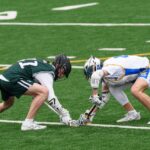 Lacrosse
 at every level, boys and girls, field, box and sixes for LA28: how the game works, lacrosse injuries, concussion, chest protectors and recov…
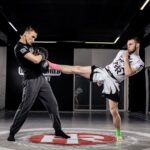 Martial Arts umbrella guide
Karate, taekwondo, judo and BJJ at every level: how each is scored, kids to Olympics, martial arts injuries, concussion, chokes, skin care and recove…
 MMA
Mixed martial arts at every level: how MMA works and is scored, youth to pro, MMA injuries, concussion, weight cutting, skin infections and recovery.
 Motorsports
 at every level, karting to F1, NASCAR, IndyCar and MotoGP: race car driver fitness, heat, neck strength, crashes, concussion and safety g…
 Mountain Biking discipline
Mountain biking at every level, XC to downhill: how it works, NICA to the Olympics, mountain bike injuries, helmets, concussion, training and recover…
 Muay Thai
 at every level: how it works, youth to pro, IFMA and the stadiums of Bangkok, injuries, concussion, making weight, training, recovery and g…
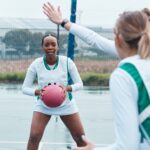 Netball
 explained: how the game works, positions and footwork, levels from school to the World Cup, ankle and knee safety, training and gear.
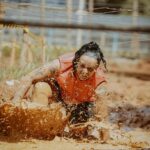 Obstacle Course Racing
Obstacle course racing at every level: Spartan and Tough Mudder formats, penalties, kids races, LA28, OCR injuries, mud safety, training and recovery.
 Padel
Padel for beginners: how the walled doubles game works, scoring, court and racket specs, levels, Olympic status, common injuries and gear.
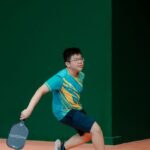 Pickleball
 for every age, from juniors to seniors and the pro tours: how the game works, the kitchen, common pickleball injuries, eye safety and reco…
 Polo
Polo explained: chukkers and handicaps, youth to college to pro levels, injury research on eyes and heads, helmets and gear.
 Rodeo
Rodeo explained: roughstock and timed events, high school, college and pro levels, injury research, concussion safety, gear and recovery.
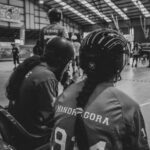 Roller Derby
Roller derby at every level: how the game works, WFTDA, MRDA and junior derby, World Cups, injuries, required gear, concussion, training and recovery.
 Roller Skating
Roller skating at every level: quad vs inline, rink, jam, artistic and speed skating, USARS and World Skate, injuries, protective gear and recovery.
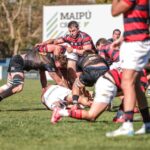 Rugby
Rugby union, sevens and league at every level: how the game works, rugby injuries, the new tackle height, concussion, Activate, training and recovery.
 Soccer (Football)
Soccer for athletes at every level: how the game works, youth to pro, soccer injuries and how to prevent them, concussion, heat, training, recovery.
 Softball
 at every level, from youth fastpitch to the WCWS, AUSL and LA28: how the game works, softball injuries, pitcher rest, face masks and recover…
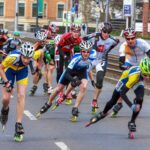 Speed Skating umbrella guide
Speed skating for every level: long track and short track explained, inline, kids to Olympics, injuries, cut-resistant gear, concussion, training.
 Strongman
 explained: events, weight classes and how to start, the US amateur path, injury data, safety, training pointers and gear for beginners and…
 Tennis
 at every level, from red ball to the Grand Slams: how the game works, tennis injuries, tennis elbow, heat, training, recovery and the gear you…
 Track and Field
Track and field at every level: sprints, hurdles, jumps, throws and multis, how meets work, track and field injuries, safety, training, recovery and…
 Ultimate Frisbee
Ultimate frisbee at every level: how it works, youth to pro and the World Games, common ultimate frisbee injuries, concussion, heat, training, recove…
 Volleyball
 indoors and on the beach, from youth to the Olympics: how the game works, volleyball injuries, ankle sprains, concussion, training and rec…
 Wakeboarding
 behind the boat and at cable parks, at every level: how it works, competitions, injuries, propeller safety, life jackets, training and g…
 Wakesurfing
 at every level: surf vs skim boards, competitions, carbon monoxide and propeller safety, life jackets, where to ride, training and gear.
 Water Skiing
Water skiing at every level: slalom, tricks, jump, show and barefoot skiing, common water skiing injuries, boat and life jacket safety, training and…
 Windsurfing
 at every level: how it works, slalom, wave and freestyle, iQFOiL and the Olympics, windsurfing safety, injuries, training, recovery and g…
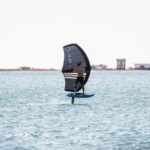 Wing Foiling
Wing foiling at every level: how it works, lessons and kids, the GWA tour, wing foiling safety and injuries, training, recovery and gear.
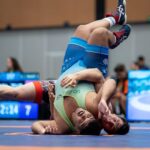 Wrestling
 at every level: folkstyle, freestyle and Greco-Roman, girls' wrestling, wrestling injuries, skin infections, safe weight management and rec…
53 guides in this list.
Beginner entry points
You do not need to feel ready before you start. Good first steps are the same in almost every sport:
- Read the guide for your sport on this site, so the basic rules and terms feel familiar.
- Look for a beginner session, “learn to” programme, open training night or social league near you.
- Visit a club once before joining and see whether the atmosphere suits you.
- Ask about trial sessions, since many clubs welcome newcomers to try before committing.
- Tell the coach about any injuries or health conditions. If you are unsure whether a sport is right for you, ask a doctor, physical therapist or athletic trainer.
Divisions, rankings, trials and eligibility
Competitions are usually grouped so that people face others of a similar kind. Common groupings include skill level, age group, sex or gender category, weight class (in sports like boxing, wrestling and martial arts) and equipment class (in cycling and motorsports, for example). Rankings are usually kept by a league, tour or governing body, and are often built from results over a set period. Trials and tryouts are how many teams and programmes choose who gets a place.
Eligibility rules, such as membership, age categories, licences, residency or nationality, are set by each governing body and can change. Always read the current rules on the sport’s official federation or league website, or ask the event organizer, before you register.
Coaching and skill development
A good coach saves you from slow, frustrating guesswork. They teach technique, plan your progression and notice problems early. Club coaches, school coaches and private coaches all play different roles. When you choose one, look for clear communication, a focus on safe progression, appropriate qualifications or certification where the sport offers them, and an attitude that puts your wellbeing ahead of winning. Skill grows in layers: basics first, then consistency, then pressure and tactics. Video review and honest feedback speed this up.
Training and time commitments
Time commitment varies enormously. A social league might ask for one evening and a game each week. A serious club or elite programme can ask for many sessions, plus travel, recovery and strength work. Before you join, ask the club or coach what a typical week looks like, and be honest about work, study, family and sleep. Rest is part of training, not a reward for it. Our guides on training and performance and recovery and rehabilitation explain how to build a schedule you can actually keep.
Equipment, registration and travel costs
Sports differ in what they ask of your wallet and your calendar, and we do not list prices because they change by place, club and season. Things to ask about before you commit include:
- Equipment: what is required, what the club lends, and what is better to try before buying. Our gear reviews and comparisons can help you choose.
- Registration: league, club, licence or insurance fees, and what they cover.
- Travel: how far away games or events usually are, and whether the club shares rides or accommodation.
- Extras: coaching, facility hire, uniforms and entry fees for individual events.
Finding reputable clubs and events
Start with the official governing body of your sport in your country, since most keep lists of affiliated clubs and sanctioned events. Then check a few signs of a well-run organization:
- It is affiliated with a recognized governing body, league or association.
- Coaches and volunteers have clear roles, and background checks and first-aid knowledge are part of how it works.
- There is a published safeguarding or code-of-conduct policy.
- Fees, rules and cancellation terms are written down and easy to find.
- Members, parents or past participants speak well of it when you ask.
Competition preparation
Good preparation is mostly about removing surprises. Read the rules and schedule ahead of time, check your equipment, plan travel and meals, and arrive early enough to warm up properly. Practise the routines you will use on the day, such as warm-up, food and hydration, so nothing feels new when nerves arrive. Our nutrition and athlete wellness hub covers fuelling in plain language. Afterwards, rest and review what went well. A calm recovery plan matters as much as the build-up.
Mental skills
Competing is a mental skill as well as a physical one. Helpful habits include setting small, process-based goals (“keep my breathing steady”), using a short routine before you start, practising pressure moments in training, and talking to yourself the way a good coach would. Nerves are normal and are often a sign you care. If anxiety, burnout or loss of enjoyment starts to take over, talk to a coach, a trusted adult or a qualified professional.
Athlete welfare and safeguarding
Everyone who competes deserves to feel safe, respected and listened to. That includes protection from abuse, bullying, harassment and unsafe training loads, and it matters most for young athletes. A good organization has clear rules for how coaches and adults behave, a way to raise concerns, and people who take them seriously. Learn about safety and injury prevention and about injuries and joint health, and if something feels wrong, tell a trusted person and the organization’s welfare contact or the governing body. Do not wait for it to get worse. Pain, concussion symptoms or illness should be checked by a doctor, physical therapist or athletic trainer, not pushed through.
Realistic progression expectations
Progress is rarely a straight line. Expect quick early gains, then plateaus, then small steps. Injuries, school, work and life will interrupt it, and that is normal. Measure yourself against your own last season rather than against others. Many people find that the best reward of competing is the routine, the friendships and the challenge, not the trophy. If you do want to aim higher, a coach or club can help you set a plan, but results can never be guaranteed.
Frequently asked questions
Do I have to be good to join a league or club?
No. Many leagues and clubs run beginner or social groups. Ask about them when you make contact.
Is a sport on this page always Olympic, or never Olympic?
Neither. This category covers organized competition in general, and some of these sports are also Olympic. Check the sport’s guide, and confirm the current programme at olympics.com or with the sport’s federation.
How do rankings and trials work?
Each governing body sets its own system. Rankings usually come from results over time, and trials or tryouts choose who joins a team or event. Read the current rules from the official organizer.
Can playing a sport lead to a scholarship or professional contract?
For a small number of athletes, yes, but it cannot be promised and it depends on the sport, country and many other things. Most people compete for the enjoyment, health and community.
How can I tell whether a club is safe and well run?
Look for affiliation with a recognized body, a written safeguarding policy, clear fees and rules, and qualified, approachable coaches. Visit before you join.
How much time will competing take?
It varies from a single weekly game to many sessions a week, plus travel. Ask the club for a typical week before you commit.
Is it safe for me to compete with an injury or health condition?
We cannot decide that for you. Ask a doctor, physical therapist or athletic trainer, and tell your coach.
Sources
This page is general guidance built from our own sports guides and the editorial standards linked below. For official programme details and eligibility rules, always go to the sport’s governing body, league or olympics.com.
AthleteRx provides education only, not medical advice. Read our editorial policy.