This article contains affiliate links: if you buy through them we may earn a commission, at no extra cost to you. Read our affiliate disclosure.
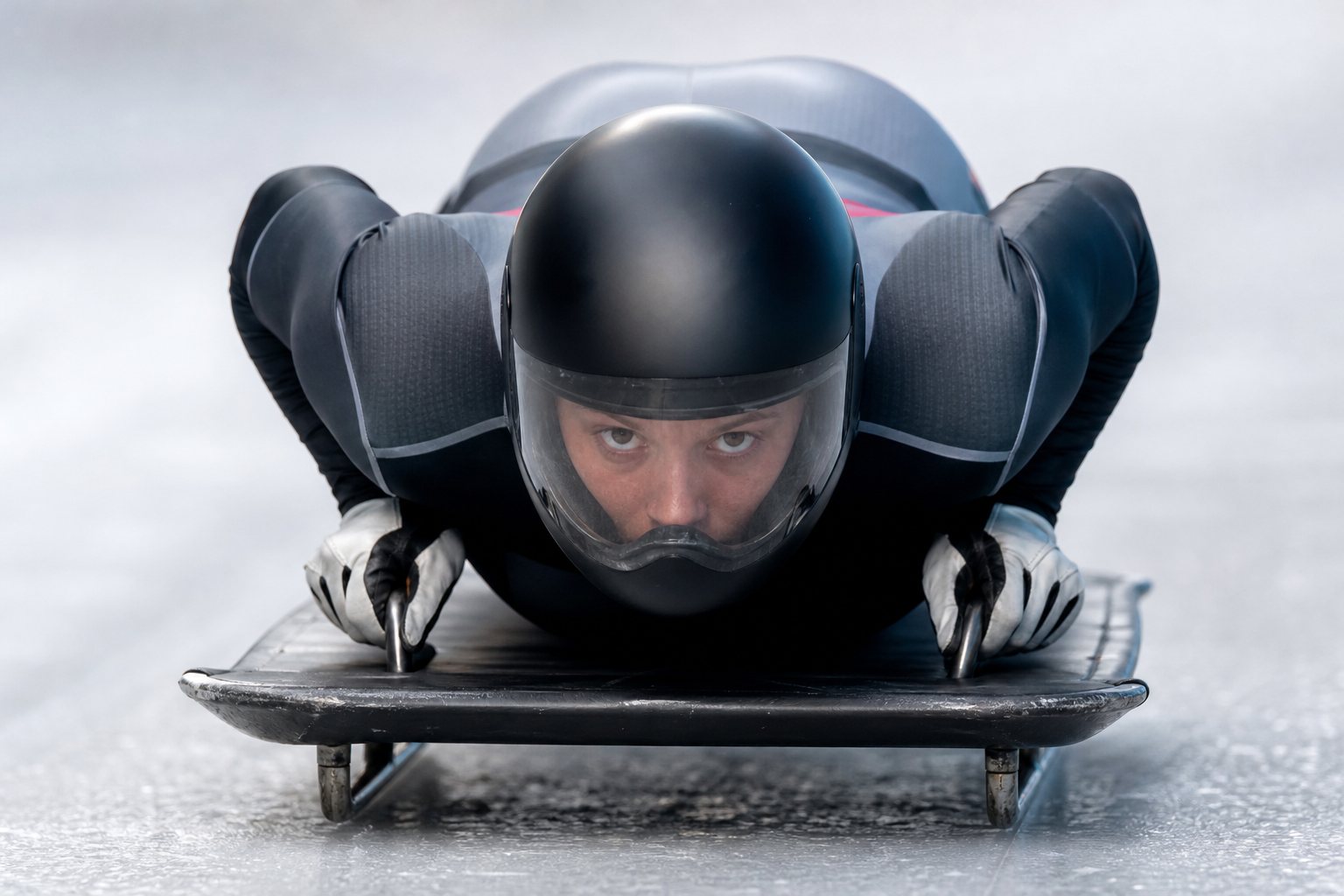
Sunday at the Cortina Sliding Centre, last run of the first-ever Olympic mixed team skeleton. Britain’s Matt Weston, already the men’s champion, hands over to Tabitha Stoecker, who sets a track record on the final run and wins gold for Britain ahead of Germany. Days earlier Austria’s Janine Flock had won the women’s race in 3:49.02, her country’s first women’s skeleton Olympic medal. Skeleton is the sliding sport where you ride a small sled head first, face down and close to the ice, with no brakes and no steering handles.
Skeleton guides: what do you need?
New to skeleton? Start with the first card. Everything here is general education, not medical advice.
History & Origins of Skeleton
Skeleton grew out of tobogganing in St. Moritz, Switzerland, in the 19th century, and the Cresta Run there is its historic natural-ice ancestor. The sport was on the Olympic program in 1928 and 1948, both in St. Moritz, and returned for good at Salt Lake City 2002, when a women’s race was added. The first artificially refrigerated track opened at Königssee, Germany, in 1969. These dates come from reference summaries and are listed as commonly cited. In 2026 at Milano Cortina a mixed team event joined the Olympic program.
- 19th century (commonly cited): tobogganing at St. Moritz leads to the Cresta Run.
- 1928 and 1948 (commonly cited): skeleton at the Winter Olympics in St. Moritz.
- 1969 (commonly cited): first artificially refrigerated track, at Königssee.
- 2002 (commonly cited): skeleton returns to the Olympics at Salt Lake City, with a women’s race.
- 2026: first Olympic mixed team skeleton, won by Great Britain (Matt Weston and Tabitha Stoecker) ahead of Germany (press reports cited on our hub page).
Legends of the Sport
Short list, from press coverage of Milano Cortina 2026 already cited on our skeleton page (not from an official results page we opened this round, so treat it as pending official confirmation).
- Matt Weston (GBR): reported men’s Olympic champion at Milano Cortina 2026 and half of the gold-medal mixed team.
- Tabitha Stoecker (GBR): reported to have set a track record on the final run of the mixed team event.
- Janine Flock (AUT): reported women’s Olympic champion in 2026, Austria’s first women’s skeleton medal.
Official results and records
- IBSF (International Bobsleigh and Skeleton Federation): results and rankings
- Olympics.com: skeleton
- USA Bobsled and Skeleton
How we keep this current: we re-check facts after each major championship and update this page. Spot an error? See our editorial policy.
This page explains how it works, how people get in, the injury research and the gear. It is general information, not medical advice.
Skeleton at a glance
| What it is | One athlete on a small steel-frame sled, lying face down and head first, sliding down an iced track after a running push start. |
|---|---|
| How it is won | Lowest combined time over four runs, usually spread over two days, timed to the hundredth of a second. The leader goes last in later runs. |
| Events | Men’s and women’s individual; a mixed team event (one woman and one man from the same country) joined the Olympics in 2026. |
| Where | The same refrigerated ice tracks as bobsleigh and luge. The Cresta Run in St. Moritz, Switzerland, is the historic natural-ice ancestor. |
| Governing bodies | International Bobsleigh and Skeleton Federation (IBSF); USA Bobsled and Skeleton (USABS) in the US. |
| Season | Winter on ice; start training all year. |
How skeleton works
The athlete runs beside the sled, pushing it, and dives on head first. In one 2025 biomechanics study of skeleton athletes the push averaged about 18.5 meters, around 12 steps, at a starting speed of roughly 7.0 m/s for men and 6.3 m/s for women. That is a sprint-and-dive hybrid, which is why it is trained like one. Once on, steering comes from tiny shifts of the shoulders, knees and head; the sled has no brake or steering device. The reference summaries we found put top speeds above 130 km/h (81 mph), with loads up to about 5 g.
Olympic skeleton has four heats of one run each. The athlete with the lowest total wins, ties share a place, and later runs start in standings order so the leader slides last. In the mixed team event, a woman and a man from one country take consecutive runs and their times are added up; we did not find the full run count and start order on the pages we could read, so check the current IBSF rules.
The sled and the rules
NBC Olympics and reference summaries agree on the basics: a steel frame, a base plate, no steering or braking mechanisms, and an aerodynamic helmet with a chin guard plus goggles or a face shield. The men’s sled is limited to 43 kg and, with athlete and gear, to 115 kg combined; ballast can go on the sled up to that limit but not on the athlete. Women’s limits were quoted differently by different sources, so check the IBSF rulebook before relying on those numbers.
Who plays skeleton, and where it comes from
History. The sport grew out of tobogganing in St. Moritz in the 19th century. It was on the Olympic program in 1928 and 1948 (both in St. Moritz) and returned for good at Salt Lake City 2002 with a women’s race added. The first artificially refrigerated track opened at Königssee, Germany, in 1969 (reference summaries).
Youth, school and college. Like bobsleigh, skeleton is a talent-transfer sport, and we found no NCAA or high school championship for it. USA Bobsled and Skeleton recruits through a virtual combine (a 40-yard sprint, a 10-yard sprint, a broad jump, a vertical jump, an interview and a highlight reel, with results checked by a certified strength coach) and in-person combines, and the best are invited to a rookie camp in Lake Placid. Because skeleton start power overlaps with sprinting, sprinters, jumpers and other speed athletes often try it. Check usabs.com for current dates and age rules.
Elite. IBSF runs the World Cup and World Championships. At Milano Cortina 2026 Britain’s Matt Weston won the men’s race in 3:43.33 with a new track record on each of his four runs, ahead of Germany’s Axel Jungk and Christopher Grotheer. Janine Flock won the women’s race; Germany’s Susanne Kreher and Jacqueline Pfeifer took silver and bronze. Weston and Stoecker won the mixed team.
Olympic and Paralympic status
- Olympics: three skeleton events at Milano Cortina 2026 (men’s, women’s, mixed team). For the French Alps 2030 Games, FIL reports say the sliding sports are planned for the refurbished 1992 track at La Plagne; the 2030 skeleton event list is not confirmed on the pages we could read, so check the official programme for the current Games.
- Paralympics: we found no skeleton event on the Paralympic program. Check paralympic.org for the current Games.
Physical demands
Skeleton rewards acceleration. The 2025 start study found a maximum horizontal force of about 827 newtons in the push and recommended sprints, push simulations, downhill sprinting, lower-body maximal strength and core work in training. A separate 2025 study of 16 skeleton athletes found that differences between left and right legs in strength and in the way they pushed were linked to push speed; narrowing those gaps may help, say the authors. During the ride the athlete must hold the head up and still against high g-forces, so neck and trunk endurance matter. A rider’s weight is also limited with the sled, which affects how athletes plan their strength and body mass; talk to a dietitian experienced with sport rather than cutting weight on your own.
Health and safety in skeleton
For a specific injury, see a sports medicine doctor, physical therapist or athletic trainer. Nothing here is a diagnosis or clearance to return.
Head and neck
Going head first, face down and close to the ice, skeleton athletes depend on helmet and chin guard. In a 2018 systematic review, concussions were 13 to 18% of injuries in sliding sports, a bigger share than in ice hockey (3 to 19%), and at the Sochi 2014 Olympics 10.6% of skeleton athletes were injured. The review also notes “sled head,” a foggy headache after bumpy or repeated runs that nobody has yet explained. Canadian skeleton coaches limited training runs in response, according to the authors. The review suggests shock absorbers and padding on skeleton and luge sleds, helmets, mouthguards, neck strengthening, track safety audits and on-site medical staff.
CDC HEADS UP: recognize and remove. Anyone with a possible concussion stops for the day and sees a healthcare provider, who decides about return. Call 911 for danger signs such as repeated vomiting, a seizure or a worsening headache.
The start sprint and the cold
The push is a maximal sprint on ice or in spikes, followed by a dive onto the sled, so a progressive sprint warm-up is sensible. We did not find a published injury rate for skeleton starts. Cold tracks mean layers between runs; see the CDC’s hypothermia and frostbite guidance in our sources.
Training, recovery and nutrition pointers
Training splits into sprint and start work (short, fast reps with long rests), strength and power in the gym, and track time to learn lines. After hard sessions, sleep comes first: the CDC advises at least 7 hours for adults and 8 to 10 for teens. Foam rolling and a small massage gun are comfort tools some athletes like; they are not treatment. See track and field training for sprint ideas, and our recovery tools guide. For fueling around short, high-power sessions, start with the track and field nutrition page.
Gear
Sleds, helmets, speedsuits and spiked shoes are specialist equipment that follow IBSF rules; get them through a club or national program. The helmet and chin guard are the part that matters most for safety. What a beginner can usefully add is the training and care kit.

Shock Doctor Gel Max Mouthguard
- Boil-and-bite gel liner
- Youth and adult sizes
- Maker: exoskeletal shock frame
$11.99 at Amazon, as of Nov 17, 2026 01:07 UTC
Check price on Amazon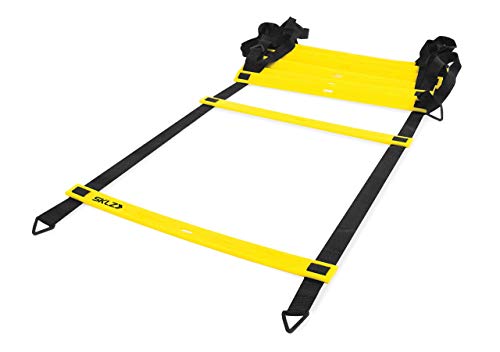
SKLZ Quick Ladder
- 15 ft, 11 flat rungs
- 17 in wide
- Carry bag included
$29.99 at Amazon, as of Nov 17, 2026 01:07 UTC
Check price on Amazon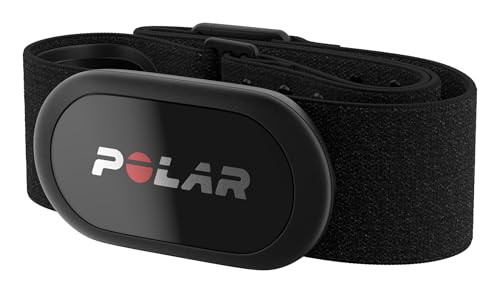
Polar H10 Heart Rate Sensor
- Chest strap
- Bluetooth and ANT+
- Sizes M-XXL
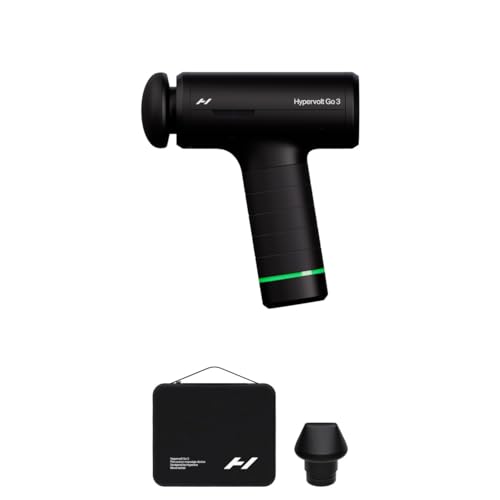
Hypervolt Go 3
- 1.6 lb
- 5 speeds
- Up to 4 hr battery
$149.00 at Amazon, as of Nov 17, 2026 01:07 UTC
Check price on AmazonA mouthguard does not prevent concussion, and none of these products replaces an approved helmet, coaching or medical care. See our massage gun guide, HRV for athletes and heart rate monitor guide.
Related sports and disciplines
- Bobsleigh and luge, the other two sliding sports.
- Track and field, home of the sprinters who often make the switch.
- Speed skating and skiing, more winter-Olympic sports.
Skeleton FAQs
What is the Cresta Run?
A natural-ice toboggan course in St. Moritz, Switzerland, where head-first sledding took shape in the 1880s according to reference summaries. Modern skeleton races run on the same refrigerated tracks used for bobsleigh and luge, not on the Cresta Run.
How fast do skeleton athletes go?
Reference summaries say above 130 km/h (81 mph) with up to about 5 g on the track.
Can you steer a skeleton sled?
Only by body movement. The sled has no steering or braking device; riders shift shoulders, knees and head to change line.
How do I start in skeleton?
Most athletes start with a combine run by USA Bobsled and Skeleton, then go to a rookie camp in Lake Placid for those invited. Speed and power from other sports are the usual entry points.
Is skeleton more dangerous than bobsled or luge?
We found no study that compares them directly. At the Sochi 2014 Olympics 18.1% of bobsledders and 10.6% of skeleton athletes were injured, per a 2018 review, and concussions are a concern in all three sliding sports.
Sources
- NBC Olympics: How does Olympic skeleton work?
- Reuters via The Star: Weston completes golden double in the mixed team
- Team GB: Weston and Stoecker mixed team gold
- McCradden and Cusimano (2018): concussion in sledding sports
- Hao and Kong (2025): biomechanics of the skeleton start
- Gong and colleagues (2025): strength and push gait asymmetry in skeleton athletes
- USA Bobsled and Skeleton: recruitment
- FIL: La Plagne for the 2030 sliding events
- CDC HEADS UP, CDC sleep and CDC preventing hypothermia
More to explore: the sports hub, the skiing injuries page for head-injury and cold-weather basics, and our recovery tools guide.