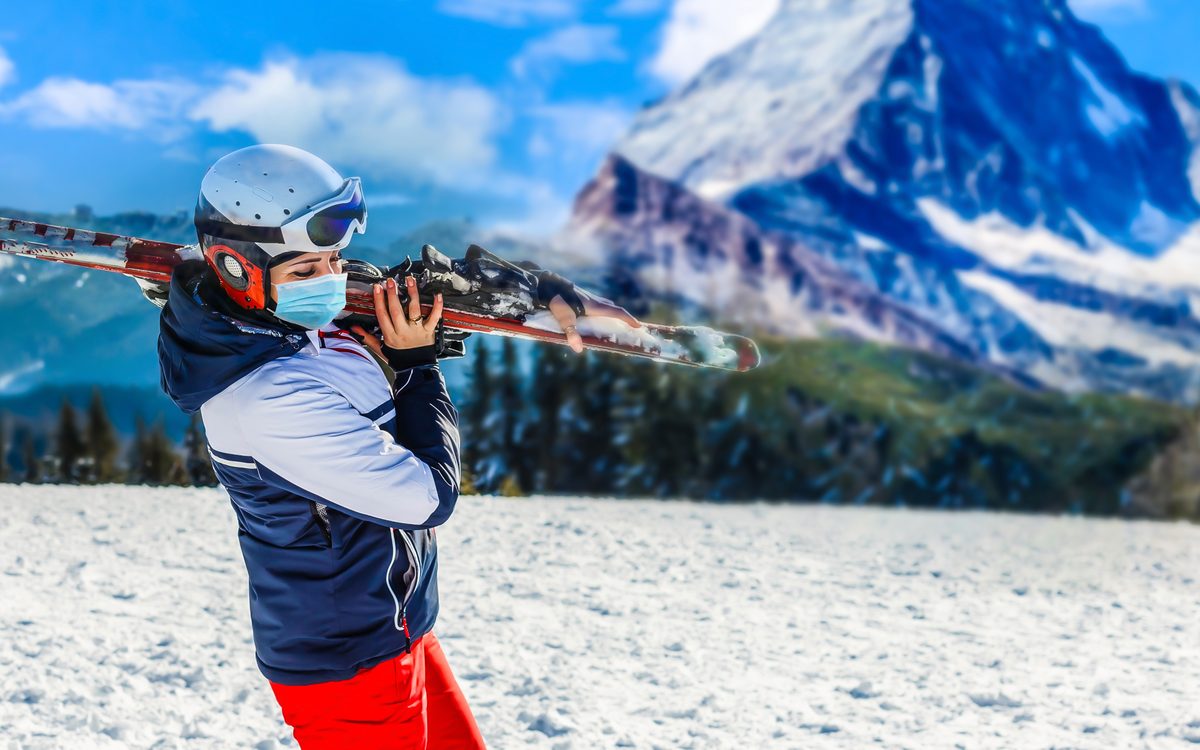
Race morning in the cold: a biathlete has eaten breakfast three hours before the start, carries a thermos and wants to keep fuel steady through a 20 km individual. Biathlon nutrition is fuelling a high-volume endurance sport, with the extra concern of staying calm and steady at the range. The evidence comes mostly from cross-country skiing and general sports nutrition.
Quick answer: Skiing burns a lot of energy, and many athletes under-eat. The ACSM, Academy of Nutrition and Dietetics and Dietitians of Canada position suggests 6 to 10 g/kg a day of carbohydrate for high training loads and 1.2 to 2.0 g/kg for protein (2016). Warning signs of too little energy (REDs) are fatigue, illness, injuries and, in women, missing periods. Supplements are optional, and any you use should be third-party tested. Talk to a doctor or registered dietitian for personal advice.
How much energy?
A doubly labeled water study of cross-country skiers (Sjodin and colleagues, 1994) measured energy turnover of 15.1 to 20.2 MJ a day in women and 25.4 to 34.9 MJ in men, roughly 3,600 to 4,800 kcal and 6,100 to 8,300 kcal (our conversion). Intake matched over the week, not each day. Those are elite training numbers; a recreational athlete needs far less. A dietitian can help set a plan.
Carbohydrate and protein
The 2016 ACSM/AND/DC position gives carbohydrate ranges by load: 3 to 5 g/kg a day for light training, 5 to 7 for moderate, 6 to 10 for high and 8 to 12 for very high (4 to 5 hours a day), and protein at 1.2 to 2.0 g/kg a day with 15 to 25 g after training. In 19 young female skiers (Kettunen 2021), 74% at home and 63% in camp missed carbohydrate recommendations, and only 11% at home had optimal energy availability (42% in camp). Knowledge of nutrition correlated with better intake.
Hydration and cold
Cold suppresses thirst, and layered clothing hides sweat loss; many athletes drink on a schedule from a warm bottle. The ACSM position suggests drinking 1.25 to 1.5 L per kg lost after training. We found no biathlon-specific hydration study.
Relative Energy Deficiency in Sport (REDs)
The 2023 IOC consensus statement (Mountjoy and colleagues, BJSM) describes REDs as the health and performance consequences of low energy availability. In 27 highly trained male skiers, energy availability was below 15 kcal per kg of fat-free mass a day on training days in June, and coaches and athletes underestimated it (Bushmanova 2024). Warning signs include constant fatigue, repeated illness or injury, stress fractures, mood changes and, in women, missing or irregular periods; a missing period is not normal for an athlete. Weight pressure can occur in any endurance sport. If this sounds familiar, see a sports medicine doctor or dietitian, and read our mental training page on where to find help.
Altitude and iron
The CDC Yellow Book lists loss of appetite among symptoms of altitude sickness, so camps can lower intake. The ACSM position notes female athletes have higher iron needs and low energy intake affects iron status. The UEFA expert group (Collins 2021) states routine iron supplementation can do more harm than good, so ask a doctor and get tested before taking any.
Supplements: the guardrails
- Food first. The IOC consensus on dietary supplements (Maughan 2018) says supplements should be used with care and with professional guidance.
- Third-party testing, such as NSF Certified for Sport or Informed Sport, lowers contamination risk. In a UEFA group summary, about 15% of 634 supplements contained undeclared prohormones (Collins 2021).
- Athletes subject to anti-doping rules must check medications and supplements; Global DRO is the medicine lookup. Anti-doping responsibility is the athlete’s.
- Caffeine can cause anxiety, nausea, insomnia, tremor and a fast heartbeat (IOC 2018). The ISSN caffeine position (Guest 2021) discusses doses, but shaky hands are a particular concern before a shooting bout, and the choice is individual. Caffeine is not for children and adolescents; the AAP advises against energy drinks for them.
- Creatine is among the most studied supplements, but the AAP advises against it under 18, and it adds body mass (about 1 to 2 kg, UEFA group).
We give no dosage advice beyond what a label and a clinician say. For product comparisons see our guides to electrolyte powders, energy gels and protein powders.
Weight, heat and eating disorders
We found no weight classes in the biathlon formats we read, but pressure to be light is a recognised risk in endurance sports. Eating disorders are health conditions; contact a qualified professional. In the US, the 988 Lifeline is available by call or text in a crisis.
Biathlon FAQs
How many calories does a biathlete need?
Elite skiers measured 15.1 to 20.2 MJ a day for women and 25.4 to 34.9 MJ for men (Sjodin 1994). Recreational athletes need much less; ask a dietitian.
What is REDs?
Relative Energy Deficiency in Sport: health and performance problems from too little energy for the load (IOC consensus 2023).
Is caffeine good for biathlon?
Caffeine is common, but it can cause tremor and anxiety (IOC 2018), which matters at the range. It is an individual call, not for kids.
Do I need iron supplements?
Not routinely. The UEFA expert group says routine iron can do more harm than good; ask a doctor.
Are supplements safe for anti-doping rules?
Not automatically. Use third-party tested products, check Global DRO for medicines, and remember athletes are responsible for what they take.
Sources
- ACSM/AND/DC 2016 position
- Sjodin et al. 1994, energy balance in skiers
- Kettunen et al. 2021, young female skiers
- IOC consensus statement on REDs 2023
- Bushmanova et al. 2024, male skiers
- IOC consensus on dietary supplements (Maughan 2018)
- Collins et al. 2021, UEFA expert group statement
- ISSN position stand, caffeine (Guest 2021)
- CDC Yellow Book, high altitude
- Global DRO
- 988 Suicide and Crisis Lifeline
General information for education only, not medical advice. It does not replace a visit with a sports medicine doctor, physical therapist or athletic trainer. See how we write and check our pages in our editorial policy.