This article contains affiliate links: if you buy through them we may earn a commission, at no extra cost to you. Read our affiliate disclosure.
The night before the first race of the season, a biathlete lays everything on the floor: skis waxed, boots dry, poles checked, spare gloves, a warm layer for the start. Biathlon gear is skiing gear plus the rifle, and the rifle is not something we sell, link or recommend. This page covers what matters in skis, boots, poles, clothing and safety gear, and separates tested standards from maker claims.
Quick answer: Fit and condition matter more than brand: skis sized to weight and stiffness, boots that fit snugly, poles at the right length, layers for the cold, and a helmet and eye protection on roller skis. Verified rules are few: FIS requires helmets and eye protection in official roller-ski events and bans fluorinated wax at FIS events. Most product claims are the makers’ own. Ask your club before buying a rifle or any shooting equipment.
Skis
Retailer Gear West says weight is the most critical factor in choosing cross-country skis, with stiffness and the length range (skate 171 to 191 cm, classic 181 to 206 cm in 5 cm steps, classic about 10 cm longer) next, and recommends an in-person fitting. Check your program’s guidance on which technique and ski type you need. Waxless skis are recommended for most beginners by several retailers, which is useful for training and rental-level skiing. Our cross-country skiing gear page goes deeper.
Boots, bindings and poles
Ski Rack says skate boots have a sturdy supportive cuff, classic boots are lighter, and fit should be snug but not constricting with room for toes. The NNN binding is the most widely compatible system, and the Salomon Prolink boots work with NNN. Poles: Fischer suggests skate poles at about 0.89 times height and classic at 0.84; the FIS maximum is 83% of body height in classic and 100% in free technique (FIS ICR 343.8.1). Check the current IBU rules for competitions.
Wax
FIS rules (ICR 222.8) prohibit fluorinated waxes at all FIS levels, with disqualification as the penalty. Whether your local biathlon event applies the same rule is for the organiser to say, so check. A universal liquid glide wax is a convenient quick option, but wax choice depends on snow temperature (Swix kick wax ranges by temperature).
Layers and cold gear
The American Academy of Orthopaedic Surgeons and the AAP advise several thin layers. Retailer evo suggests avoiding cotton and using a synthetic or wool base. The WHO says fresh snow can reflect up to 80% of UV, so sun protection and eye protection matter too. Biathletes wait in the cold between race and range, so spare layers and hand warmers are popular.
Safety gear: standards versus maker claims
- Verified rule: FIS ICR 396.2.7 requires a safety helmet (for example DIN EN 1078 or equivalent) and eye protection in official roller-ski training and competition. Check the listing says it meets the standard.
- Maker claim: a MIPS liner is a maker feature. We did not verify that it lowers injury rates.
- Hearing and eyes at the range: the NSSF and CDC advise eye and ear protection whenever shooting. Follow the range officer.
- Rifles and ammunition: we do not link or recommend these. The rules of your national federation and the IBU apply, and your club will advise.
Buying and maintenance tips
Rent or borrow before buying: a club coach can tell you whether you need skate or classic equipment for your program and which binding system the club uses. Bring your boots when you buy skis, so the shop can match them. Dry boots and gloves between sessions, store skis out of direct heat, and keep a small bag with spare gloves, a hat, tape and a hex key. Used gear from a club swap can be a good value if you check it for cracks and worn bindings, but a helmet that has taken a hard hit should be replaced, whoever made it.
Kids grow quickly, so many clubs lend or swap skis, boots and poles. Ask the club before buying for a young skier, and pick adjustable poles if they are offered (Fischer notes adjustable poles for children).
Fit and inspection checklist
- Boots: try with your race socks; no heel lift, no pinched toes.
- Bindings: check the sole matches the system (NNN or SNS).
- Poles: measure against your height; replace cracked shafts and loose straps.
- Helmet: snug, level, no cracks, replaced after a hard impact.
- Clothing: no cotton next to skin, spare dry gloves.
Items many biathletes carry
These are cold-weather and training items, not weapon equipment. Product details are the makers’ claims; we have not tested them.

Giro Register MIPS Helmet
- MIPS liner
- Universal adult size 54-61 cm
- Maker feature, not a verified injury-risk claim
$39.99 at Amazon, as of Nov 17, 2026 02:07 UTC
Check price on Amazon
BUFF ThermoNet Neck Gaiter
- PrimaLoft yarn, light and warm
- Wear 12 ways
$30.00 at Amazon, as of Nov 17, 2026 02:07 UTC
Check price on Amazon
HotHands Hand Warmers, 40 pairs
- Air-activated
- Maker: up to 10 hours each
- For waiting before the start
$25.60 at Amazon, as of Nov 17, 2026 02:07 UTC
Check price on Amazon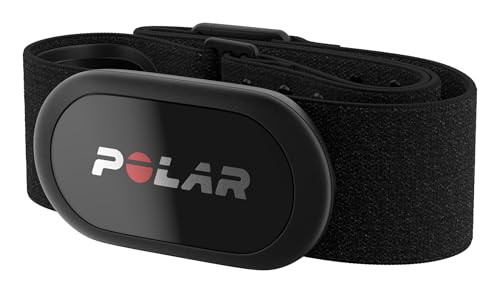
Polar H10 Heart Rate Sensor
- Chest strap
- Track how fast the heart settles
- Pairs with common watches and apps

Swix F4 Universal Liquid Glide Wax
- All-temperature
- Sponge applicator, no iron
- Check event wax rules
$22.98 at Amazon, as of Nov 17, 2026 02:07 UTC
Check price on AmazonBiathlon FAQs
Do I need my own rifle to start biathlon?
Not usually. Many programs provide beginner equipment; ask your club. We do not recommend or link firearms.
What length poles for skating?
Fischer suggests about 0.89 times body height for skate poles and 0.84 for classic. FIS limits classic poles to 83% of height.
Do I need a helmet for roller skiing?
FIS rules require one in official roller-ski training and competition (ICR 396.2.7), and it is sensible at any session.
Is fluorinated wax allowed?
FIS rules prohibit it at all FIS levels (ICR 222.8). Check your own event rules.
What should I wear to stay warm?
Several thin layers, a synthetic or wool base and no cotton (AAOS, AAP, evo), plus a spare dry layer for waiting.
Sources
- Gear West, cross-country ski sizing
- Ski Rack, how to select boots
- Ski Rack, how to select bindings
- Ski Rack, waxing guide
- Fischer, choosing pole length
- FIS ICR Book II Cross-Country
- Swix kick wax
- AAOS OrthoInfo, Skiing injury prevention
- AAP HealthyChildren, Winter safety
- evo, what to wear skiing
- WHO, UV radiation
- NSSF, rules of firearm safety
- CDC, hearing loss
General information for education only, not medical advice. It does not replace a visit with a sports medicine doctor, physical therapist or athletic trainer. See how we write and check our pages in our editorial policy.