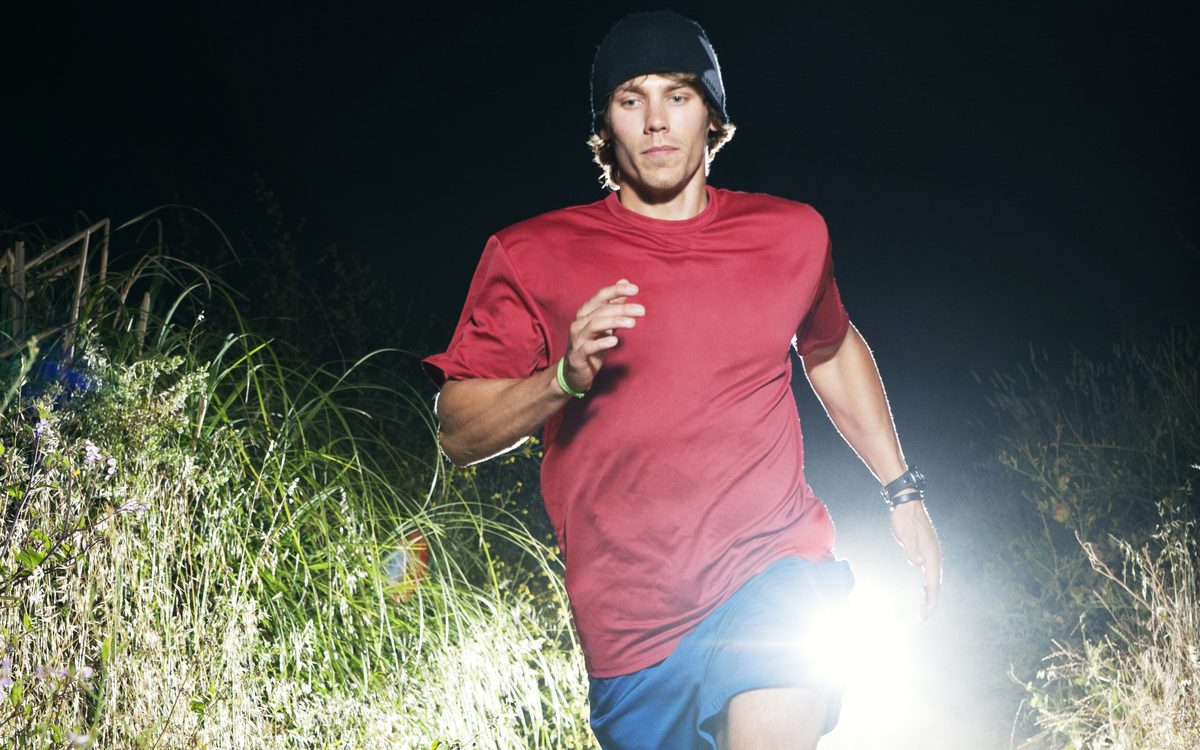
The day after a 50K, the stairs are the real finish line. Quads that carried you down 6,000 feet now object to every step, and the instinct is either to lie flat for a week or to run it off. Ultra running recovery is everything you do between hard efforts to let the body adapt: sleep, easy movement, food, time off impact and honest listening to pain. This page covers what research says, where the evidence is weak, and how to tell soreness from injury.
Quick answer: After an ultra, research shows muscle damage markers and strength loss that are temporary and reversible, and sleep is repeatedly disrupted before, during and after races. The basics are sleep, food, easy movement and time. Evidence for recovery gadgets is thin and mixed. Normal soreness eases over days; pain that is sharp, one-sided or getting worse needs a sports medicine doctor, physical therapist or athletic trainer.
What a long race does to the body
A 2026 systematic review of 15 trail-running studies (247 participants) found marked rises in muscle damage markers and reductions in neuromuscular performance after races, plus temporary rises in cardiac markers described as acute but reversible. A 2021 narrative review of ultramarathon musculoskeletal effects likewise says acute changes are reversible and that regeneration, including regular massage and supporting techniques, allows faster convalescence. A 2020 review of downhill running adds that people least used to downhill show the most muscle damage, which is one reason steep descents hurt so much on day two. The reviews do not give a recovery time that suits everyone, and neither do we.
Sleep: before, during and after
A 2026 systematic review of nine studies (2,262 participants) on sleep strategies in ultramarathon runners found that reduced sleep was generally associated with poorer physical and cognitive performance, and that greater pre-race sleep, including sleep extension, was linked with faster finish times. More sleep during a race went with longer finish times, which reflects extra non-moving time. In a field study at UTMB, finishers slept an average of 28.4 minutes in the race and 20-minute naps reduced sleepiness. In a small actigraphy study of 13 athletes in 135 km and 217 km races, athletes slept an average of about 97 minutes during the race, and most reported sleep-related symptoms such as sleepiness, loss of balance or hallucinations. After the race, the same study noted athletes woke later and slept more in the following week.
Plain advice follows from that: protect the nights before the race, give yourself extra sleep after it, and keep a regular sleep routine through training. AAOS also lists sleeping under seven hours as a stress fracture risk factor. See our running recovery page for sleep basics.
Load management and the week after
- Easy movement. Walking and gentle spinning keep blood moving. General practice, not a proven protocol.
- Time off impact. Many coaches advise a stretch with no hard running after an ultra, longer after longer races. The right length depends on the runner, so ask a coach.
- Rebuild gradually. Return to running in steps; don’t jump back to full training volume.
- Watch for stacked races. The 2023 systematic review of sex differences notes most recovery advice comes from studies that largely excluded women, so personalise.
Mobility and flexibility
Mobility work such as hip, ankle and calf range of motion is a common part of an ultrarunner’s week, and gentle movement feels good on stiff legs. We found no ultra-specific trial showing that stretching prevents injury or speeds recovery, so use mobility for comfort and movement quality. Strength work is covered in our injury prevention page.
Recovery methods: what the evidence says
- Massage. A 2026 scoping review of 31 studies on pain responses in ultramarathon runners reports that massage interventions during races may relieve pain. The 2021 musculoskeletal review also mentions regular massage supporting faster convalescence.
- Other tools. A 2026 network meta-analysis of 35 randomised trials compared recovery methods for muscle soreness and damage markers; whole-body cryotherapy and photobiomodulation were associated with lower soreness at 24 and 48 hours, but those are clinic tools, and the study was not ultra-specific.
- Foam rollers, compression, massage guns and recovery shoes. We found no ultra-specific trial for them. Many runners use them for comfort. See our recovery tools guide and recovery shoes guide.
- Nutrition. Eating enough after a race matters; see our nutrition page.
Soreness or injury?
| Usually soreness | Time to ask a professional |
|---|---|
| Both legs feel heavy and tender | Pain in one spot that is sharp or growing |
| Stiffness that eases as you move | Pain at rest or at night |
| Improves each day | Swelling, a limp or a change in how you run |
| Tired but eating and sleeping | Dizziness, chest pain, confusion or very little urine (get medical help) |
Our ultra injuries page lists patterns and rehab principles.
Ultra running recovery FAQs
How long does it take to recover from an ultra?
No source gives a universal time. Muscle damage markers rise and fall over days, and sleep and feel vary. A coach or doctor can help you plan the return.
Should I nap during a race?
In a UTMB field study, 20-minute naps reduced sleepiness without hurting overall race time, but it was observational and only finishers were studied.
Do ice baths help?
We found no ultra-specific trial of ice baths, so we cannot say they help. Check with a doctor if you have a heart condition before cold immersion.
Is massage worth it?
Some research suggests it may relieve pain, but evidence is limited. It is a comfort choice.
Is sleep really that important?
Reviews link better pre-race sleep with faster finishes and poorer sleep with worse performance, though the studies are observational.
Sources
- Muscle, neuromuscular and cardiac damage in trail running: a systematic review (2026)
- Consequences of training and competition to the musculoskeletal system in ultramarathon runners (2021)
- Downhill running: what are the effects and how can we adapt? (2020)
- Sleep strategies and performance outcomes in ultramarathon runners: a systematic review (2026)
- Power naps during a 100-mile ultramarathon (UTMB field study, 2026)
- Actigraphic sleep tracking around a mountain ultramarathon (2026)
- Pain responses of ultramarathon runners: scoping review (2026)
- Recovery and regeneration modalities, DOMS and muscle damage markers: network meta-analysis (2026)
- Sex-specific guidelines for ultramarathon coaches and athletes: a systematic review (2023)
- AAOS OrthoInfo, Stress fractures
General information for education only, not medical advice. It does not replace a sports medicine doctor, physical therapist, athletic trainer or registered dietitian who knows you. Read how we work in our editorial policy.