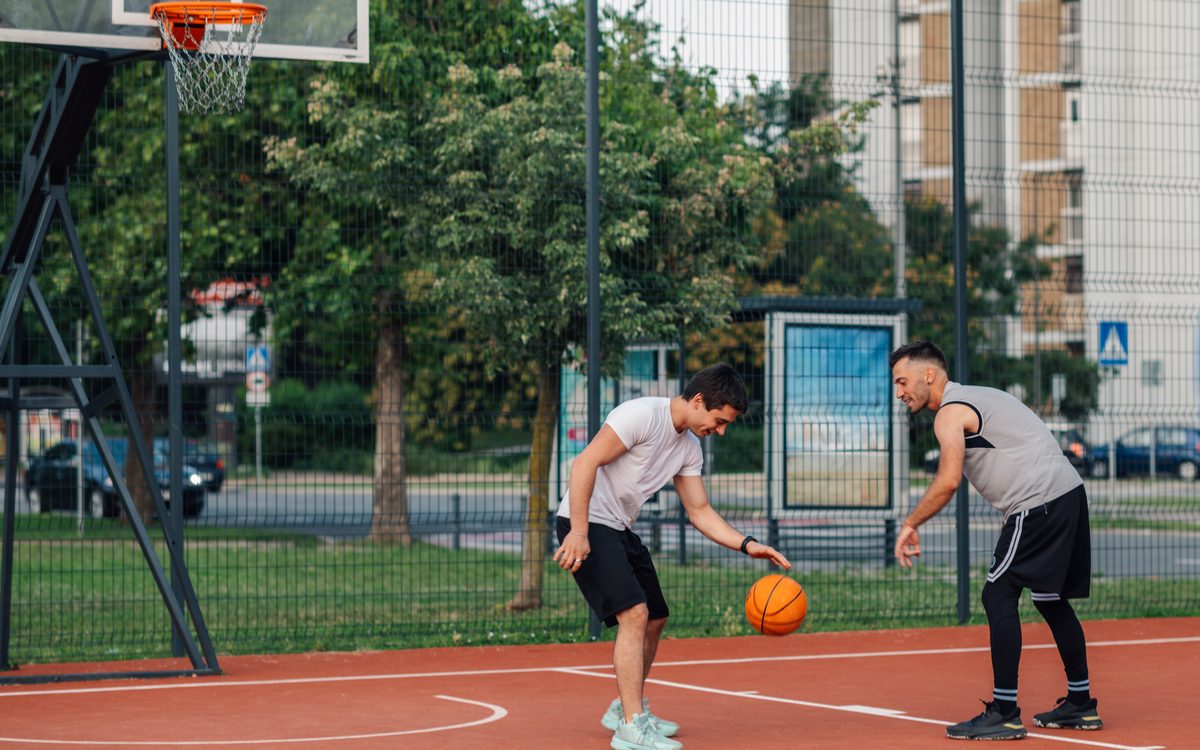
Noon, 31 degrees in the shade of the tournament tent, and a team has a game at 1 p.m. and another at 4. One player skipped breakfast, another is sipping a sugary drink, a third is nervously eating a big pasta lunch. 3×3 nutrition is about getting the right fuel and fluid into a body that will play short, hard games with little rest, often outdoors, and about keeping long-term health in view. This page uses sports nutrition position statements and reviews, and it treats supplements with extra caution.
Quick answer: Eat a carbohydrate-based meal a few hours before a tournament day, keep snacks and fluids for between games, and refuel and rehydrate afterward. Most players need food and fluids, not supplements; no supplement is “approved” in sport, and products can contain banned substances. Individual needs vary, so a sports dietitian can tailor a plan, and a doctor should be consulted about any supplement, medication or health condition.
General information, not medical advice or an individual diet plan. For recovery see our recovery page, for the sport see the 3×3 basketball hub.
Fuel for a tournament day
There is no 3×3-specific nutrition guideline that we found. The closest are expert reviews for basketball. A narrative review of nutrition for international short-term basketball tournaments (Esen and colleagues, 2022) suggests a carbohydrate-rich meal 3 to 4 hours before a match (about 1 to 4 g per kg body mass), a snack 1 to 2 hours before, and, during play, 30 to 60 g of carbohydrate per hour with timeouts and substitutions used to drink. In 3×3 you get one time-out and a substitute, so planning drinks around dead balls and between games is more practical than relying on a long break. The ACSM, Academy of Nutrition and Dietetics and Dietitians of Canada joint position says that, in the hours before exercise, athletes should choose familiar, carbohydrate-based foods. As general practice, not from a study, try your match-day food in training first, and pack easy snacks: bananas, rice cakes, sandwiches, fruit, yogurt.
Hydration and heat
Most 3×3 events are outdoors in summer. NATA’s exertional heat illness statement recommends 7 to 14 days of gradual heat acclimatization and treats suspected heat stroke as an emergency: cool first, transport second, call 911. At Tokyo 2020, exertional heat illness affected 78 athletes, 0.7% of those followed, and 88% had no time lost (Soligard and colleagues, 2022). The 2013 Gatorade Sports Science Institute basketball taskforce paper (Gatorade-funded) reported that 2% dehydration in 12 to 15-year-old players slowed sprint times and lowered shooting accuracy in one study; this is one study from a funded source, so read it as a reason to drink, not a precise threshold. Practical, general advice: drink regularly, watch urine color, and use sports drinks with sodium during long, hot tournament days. AAP guidance says water is the right choice for most children and adolescents during routine activity, and sports drinks are rarely needed except for long, intense exercise.
After games
The ACSM-AND-DC position says to replace 125 to 150% of fluid lost, and where the next session is less than 8 hours away, about 1 to 1.2 g of carbohydrate per kg per hour for the first 4 hours, with protein of about 0.25 to 0.3 g per kg. Davis and colleagues (2022) add 30 to 40 g of protein before sleep as an option. These are ranges from the literature, not prescriptions.
Eating enough for the load: RED-S
Relative Energy Deficiency in Sport (RED-S) describes the health and performance effects of not eating enough for the training done. The 2023 International Olympic Committee consensus statement (Mountjoy and colleagues) links low energy availability to effects on bone, hormones, immune function and mental health, and a companion paper on prevention (Torstveit and colleagues) urges coaches to avoid emphasizing weight and leanness. It can affect male and female athletes, intentional or not. 3×3 is not a weight-class sport; we found no weight category in the rules we read, but players still face pressure about body shape. Warning signs include constant fatigue, repeated injury, missed periods, food rules that feel hard to break and fear of eating; these are health matters for a doctor or dietitian, not training problems.
Supplements: use caution
Our supplement approach: food first, a doctor or sports dietitian for anything more, and nothing marketed with health or performance promises. The IOC consensus statement on dietary supplements (Maughan and colleagues, 2018) is the standard reference, and the NCAA states that there are no NCAA-approved supplements, that products can be contaminated with banned substances not on the label, and that a student-athlete takes them at their own risk. If you are subject to drug testing, check your event or governing body’s list.
- Third-party testing (such as NSF Certified for Sport or Informed Sport) is a good criterion, and it lowers but does not remove risk. Products that lack it are “not third-party certified for sport.”
- Stimulants and pre-workouts. Caffeine content varies and is not for everyone (sensitivity, heart conditions, pregnancy); check the label, and talk to a doctor. Avoid anything with ingredients like DMAA or ephedrine, which are banned or restricted.
- Creatine. Widely studied and used for strength and repeated-effort sports; it can add body mass. The AAP advises against creatine use under 18.
- Vitamin D, iron and others. Get tested before supplementing; excess can do harm.
- Electrolyte drinks. These can be useful in the heat; check sodium per serving and the label for third-party testing.
We do not give doses beyond what is on a label. In a study of 279 NBA combine participants (Grieshober and colleagues, 2018), 32.3% were vitamin D deficient and 41.2% insufficient, which is a reason to ask a doctor about testing, not to self-prescribe.
Young athletes
The AAP recommends against performance-enhancing substances for teens and advises that creatine is not recommended under 18. Growing players need enough energy for growth as well as training; a pediatrician or registered dietitian can help.
3×3 basketball nutrition FAQs
What should I eat before a 3×3 tournament?
A familiar carbohydrate-based meal 3 to 4 hours before, and a light snack 1 to 2 hours before, per an expert review of basketball tournaments; a dietitian can tailor it.
How much should I drink during a tournament?
There is no single number. Drink regularly, watch urine color, and use breaks between games; in heat, use sports drinks with sodium for long days.
Do I need supplements to play 3×3?
No. Food and fluids come first, and supplements can contain banned substances. Talk to a doctor or sports dietitian.
What is RED-S?
Relative Energy Deficiency in Sport: health and performance effects from not eating enough for training load, described in a 2023 IOC consensus statement.
Is creatine safe for teenagers?
The AAP advises against creatine use under age 18.
Sources
- Esen et al., nutrition for international short-term basketball tournaments (PMC9694551)
- Davis et al., in-season nutrition and recovery for basketball (PMC9023401)
- ACSM/AND/DC, Nutrition and Athletic Performance 2016 (PubMed 26891166)
- GSSI Basketball Taskforce, Nutrition and Recovery Needs of the Basketball Athlete (2013)
- NATA, exertional heat illnesses (PubMed 26381473)
- Soligard et al., Tokyo 2020 injuries and illnesses (PubMed 36588430)
- AAP, Sports Drinks and Energy Drinks for Children and Adolescents (2011)
- Mountjoy et al., IOC consensus on REDs 2023 (PubMed 37752011)
- Torstveit et al., REDs prevention (PubMed 37752004)
- IOC consensus statement on dietary supplements (Maughan et al. 2018)
- NCAA 2026-27 banned substances
- AAP, creatine use by adolescents not recommended
- AAP HealthyChildren, Performance-Enhancing Substances
- Grieshober et al., vitamin D in professional basketball players (PMC5964858)
General information for education only, not medical advice. It does not replace a visit with a sports medicine doctor, physical therapist or athletic trainer. See how we write and check our pages in our editorial policy.