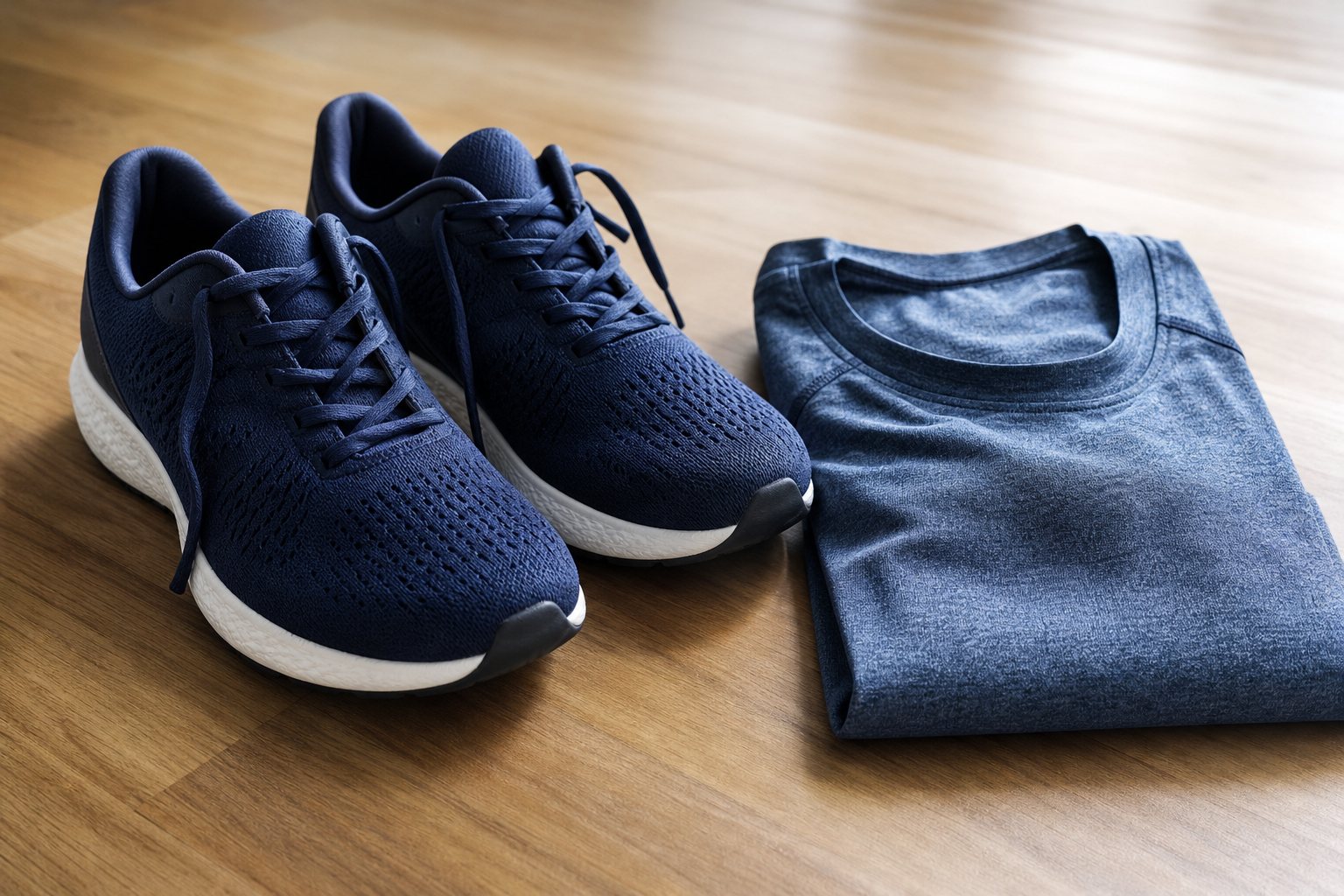
Shoes and clothing are the equipment almost every athlete uses, and they influence comfort, grip and how long you can train without problems. This page is for beginners choosing a first pair of sport shoes, parents buying for growing feet, and returning athletes who want to understand why different sports need different footwear and clothing.
It covers surface compatibility, sizing, what different activities demand of your kit, and clothing rules you may meet in organised sport. It does not recommend specific products; for those, it links to our buying guides.
Match the shoe to the surface
The surface decides a great deal about the shoe. Grass, artificial turf, hardwood courts, clay, sand, snow, rock, mud and pavement each ask for something different from the sole.
- Studs and cleats grip natural and artificial grass, and the stud pattern is often matched to the surface. Many fields restrict stud types, so check the league.
- Court shoes give grip and side-to-side support on indoor or hard courts, and many indoor venues require non-marking soles.
- Running shoes are built for forward motion and cushioning on road, track or trail, with trail versions adding tougher grip.
- Specialist shoes such as climbing, wrestling, weightlifting, cycling and curling shoes are designed around one movement and often feel very different from everyday trainers.
Using a shoe on the wrong surface can reduce grip and comfort, and may raise the chance of slips or overload. If you play on more than one surface, you may need more than one pair.
Sizing and fit
Shoe sizes vary between brands and between sports. Some sports, such as climbing, favour a snugger fit than others, while running generally needs room for the toes and foot to move. A few habits help:
- Measure both feet, as they are often slightly different, and fit to the larger foot.
- Try shoes on later in the day, when feet are usually at their largest, wearing the socks you will play in.
- Check width as well as length. A shoe that is long enough but narrow can still pinch.
- Walk, jump and change direction in the shoe if you can. Heel slipping, toe pressure or rubbing are signs to try another size or model.
- For growing children, check fit often and avoid handing down shoes that have moulded to someone else’s foot.
Pain that continues, repeated blisters, or foot, heel or shin problems that do not settle deserve a conversation with a health professional such as a podiatrist or physiotherapist rather than another new pair of shoes.
What your activity demands
Think about the movements in your sport. Sports with frequent cutting and jumping need grip and stability. Endurance sports need cushioning, ventilation and a shape that suits long hours. Water sports may need quick-drying, non-slip footwear. Cold-weather sports call for insulation and moisture control. A shoe built for one set of demands may not do well in another.
Wear also matters. Midsoles flatten and treads wear down, and worn shoes can lose grip and cushioning. Many makers suggest replacing shoes after a period of use, so check their guidance and look for visible wear.
Clothing: comfort, function and rules
Good sports clothing manages sweat, allows movement and suits the weather. Look at the fabric (many athletes prefer moisture-managing fabrics for hard sessions), the seams (flat seams reduce rubbing), and the layers you may need for cold or wet conditions. Sun-protective clothing helps outdoors; see Heat Illness in Athletes for hot-weather risks.
Organised sport often has clothing requirements: team colours, numbers, non-slip or non-marking footwear, no jewellery, tied-back hair, or specific items such as a rash guard or compression shorts under a uniform. Some sports restrict fabric or design features in competition. Ask your league or club for the uniform rules before you buy.
Socks, insoles and extras
Socks affect blisters and comfort, so choose ones made for sport and fit them with your shoes. Insoles and orthotics change how a shoe fits and feels; a podiatrist or physiotherapist can advise if you think you need them. Whatever you add, check it does not leave the shoe too tight.
Care and replacement
Let shoes dry after use, rotate pairs when you can, and follow the label for washing. Clothing and shoes that have lost shape or grip are worth replacing. Our Sports Equipment Care hub covers upkeep.
Guides to read next
- Best Recovery Shoes
- Sports Equipment Specifications & Sizing
- Protective Sports Gear
- Sports Equipment Buying Guides
- Sports Equipment Care
- Running Gear
- Soccer Gear
- Basketball Gear
- Volleyball Gear
- Best Running Shoes for Beginners
- Best Soccer Cleats
- Best Volleyball Shoes
Frequently asked questions
Can I use one pair of shoes for every sport?
For casual play, maybe, but different sports ask for different grip, support and cushioning. Sport-specific shoes usually suit the movements better.
How do I know when to replace my shoes?
Look for flattened cushioning, worn tread, uneven wear and new aches after training. Also follow the maker’s guidance.
Should kids buy bigger shoes to grow into?
A little room is normal, but shoes that are too large can slip and rub. Check fit regularly as feet grow.
Do I need special clothing for my league?
Often yes. Leagues may set uniform, colour and footwear rules, so ask the club or organiser before buying.