This page is for athletes, parents and coaches who keep seeing recovery tools and routines promoted and want an honest picture of what each one can and cannot do. It explains the most common methods in plain language, what the research generally suggests, and where the limits are.
Recovery methods are best understood as helpers, not fixes. Most of them change how you feel, and some may help a little with soreness or readiness. None of them replaces the basics: enough food, enough fluid, enough sleep and sensible training. This page is general education and is not medical advice.
First, what “recovery” is trying to do
After hard training or competition your body is repairing tissue, refilling energy stores and settling your nervous system. You may also feel sore, heavy or tired. Recovery methods usually aim at one of two things: making you feel better sooner, or helping you perform well again soon after. These are different goals, and a method can do the first without the second.
Much of the research on recovery tools is done on small groups, over short periods, using soreness scores and how people feel. Results are often mixed, and the effects that show up are usually modest. Placebo effects are real here, because feeling better is the outcome being measured. That does not make a method useless, but it should keep expectations realistic.
Cold water immersion
Sitting in cold water after exercise is popular in team sports and endurance sport. Research generally suggests it can reduce the feeling of soreness for some people and may help when you need to compete again within a day or so.
The limit is that cold may blunt some of the body’s adaptation to training. For athletes whose main goal is building strength or muscle over weeks and months, regular cold immersion straight after lifting may not be a good fit. Cold is also not suitable for everyone: people with heart or circulation conditions, or anyone unsure, should speak to a doctor first, and nobody should push through numbness, severe shivering or dizziness. Our ice bath guide and contrast therapy guide cover practical points, and Best Cold Plunges is the place to compare equipment.
Heat: warm baths, saunas and heat packs
Heat relaxes muscles, feels pleasant and can help you wind down, which may support sleep. The evidence that heat speeds up muscle repair is thinner than many marketing claims suggest, so think of it mainly as comfort and relaxation.
Heat needs care. It is a poor idea on a fresh, swollen or newly injured area, and heat exposure adds to fluid loss, so drink enough and read our guides on hydration and heat illness. Saunas are not suitable for everyone, so people with medical conditions should check with a clinician. If you are weighing equipment, see Best Home Saunas and Best Sauna Blankets.
Compression
Compression garments and inflatable compression boots squeeze the limbs gently. Studies tend to find small benefits for how legs feel afterwards, with little clear effect on actual performance. Many athletes simply like the sensation and find it a useful quiet period after a session.
The main limits are fit and circumstances. Garments that are too tight are uncomfortable, and people with circulation problems, a history of blood clots or unexplained leg swelling should ask a clinician before using compression devices. See Best Compression Boots for equipment.
Massage, percussion and foam rolling
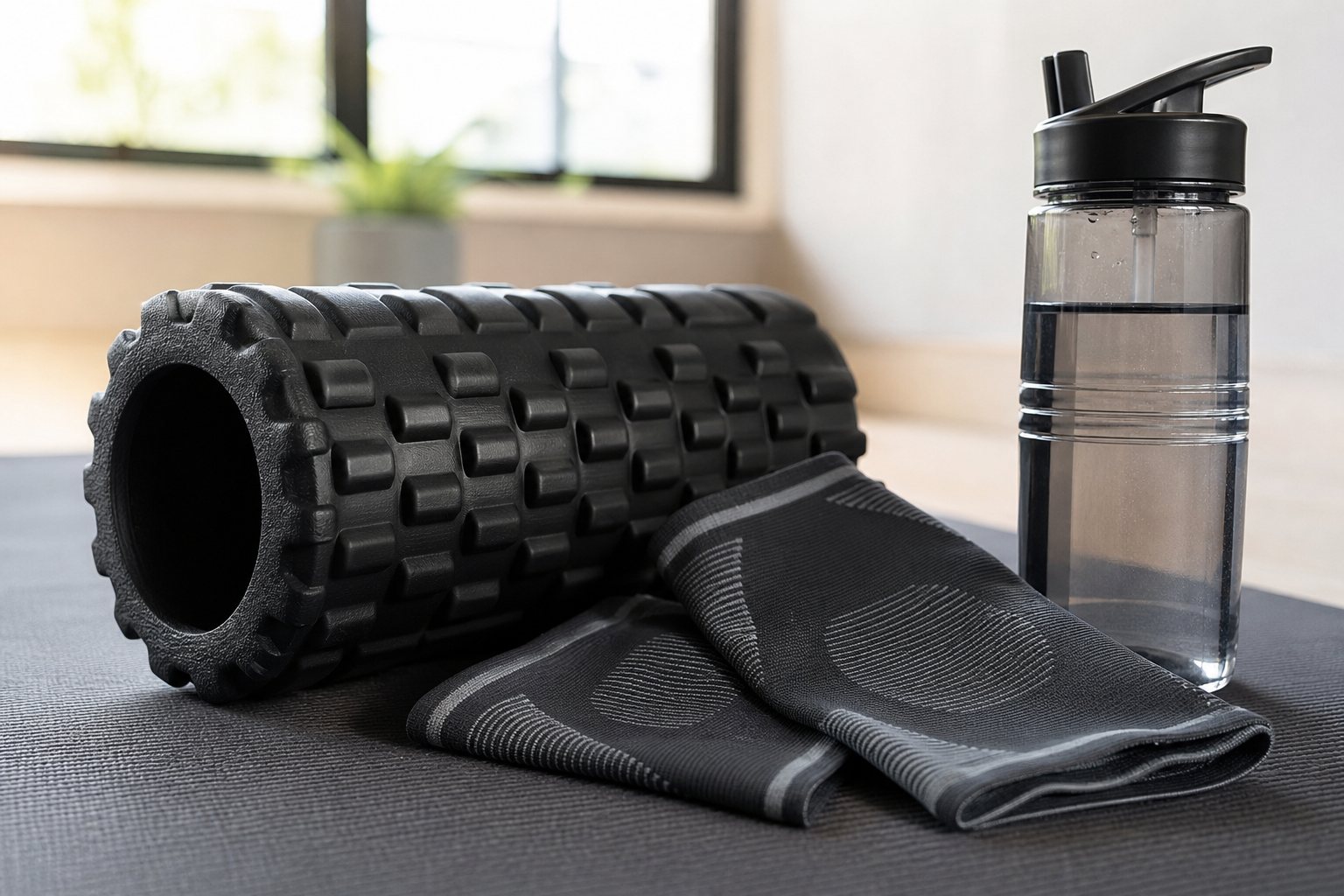
Massage, handheld percussion devices and foam rollers all apply pressure to soft tissue. Research suggests they can reduce short-term soreness and temporarily improve how far a joint moves, usually without hurting performance when used sensibly. They are a comfortable way to spend a few minutes, and many people use them as part of a warm-up or cool-down.
They do not “break up knots” or flush waste out of muscles in the way advertising sometimes claims. Sharp, increasing or lingering pain is a reason to stop, and pressure should never be placed on an area that is swollen, bruised, numb or suspected to be injured. Some people should avoid deep pressure, including those on blood thinners or with certain circulation conditions, so check with a clinician if unsure. For tools, see Best Massage Guns and Best Foam Rollers, and for a direct comparison read Massage Gun vs Foam Roller.
Stretching and mobility work
Stretching is useful for keeping or improving range of motion, and many people find it relaxing. As a recovery method for soreness, the evidence is weak: stretching after exercise has not been shown to reliably prevent or ease muscle soreness. Treat it as a way to maintain flexibility rather than a cure for tight, tired muscles. Our Mobility & Flexibility page goes deeper.
Stretching an injured or painful area aggressively can make things worse. If a stretch hurts sharply, stop.
Active recovery
Active recovery means easy, low-effort movement such as a gentle walk, a relaxed spin or an easy swim. It is generally considered one of the more sensible options: it is cheap, carries little risk, and may help you feel less stiff than complete rest. The benefit is usually small, and the key word is easy. An “active recovery” day that turns into a hard session is simply more training. Read more at Exercise Recovery and Active Recovery Day Ideas.
Choosing sensibly and knowing the limits
- Basics first. Sleep, food, fluids and a sensible training load do far more than any device. See Sleep & Recovery for Athletes.
- Match the method to the goal. A tool that helps you feel better before tomorrow’s match may not be what you want during a long strength block.
- Be wary of big claims. Promises to “detox”, “flush lactic acid” or “speed healing” are not supported by good evidence.
- Do not use recovery tools to cover an injury. Pain that is sharp, one-sided, getting worse, or that changes how you move needs assessment, not another round of rolling. See Overtraining & Overuse Injuries.
- Young athletes and medical conditions. Children, teens and anyone with a health condition should check with a doctor or other qualified professional before starting intense methods such as cold plunges or saunas.
Guides to read next
- Exercise Recovery
- Soreness & Fatigue
- Mobility & Flexibility
- Sleep & Recovery for Athletes
- Running Recovery
- Soccer Recovery
- CrossFit Recovery
- Best Recovery Tools for Athletes
- Best Cold Plunges
- Best Massage Guns
- Best Foam Rollers
- Best Compression Boots
Frequently asked questions
Which recovery method works best?
There is no single winner. Sleep, food and fluids come first, and easy active recovery is a low-risk choice for most people. After that, pick what you enjoy and tolerate, and keep expectations modest.
Can I do cold plunges after every workout?
It depends on your goals. Regular cold immersion right after strength training may interfere with some training adaptations, so many athletes save it for busy competition periods. Check with a doctor if you have any health conditions.
Do massage guns and foam rollers prevent injury?
There is no strong evidence that they prevent injuries. They can make muscles feel looser for a while, which some people find useful before or after training.
When is soreness a sign of something more serious?
Sharp, one-sided, worsening or swelling pain, pain that lingers, or pain that changes how you move should be checked by a healthcare professional rather than treated with recovery tools.