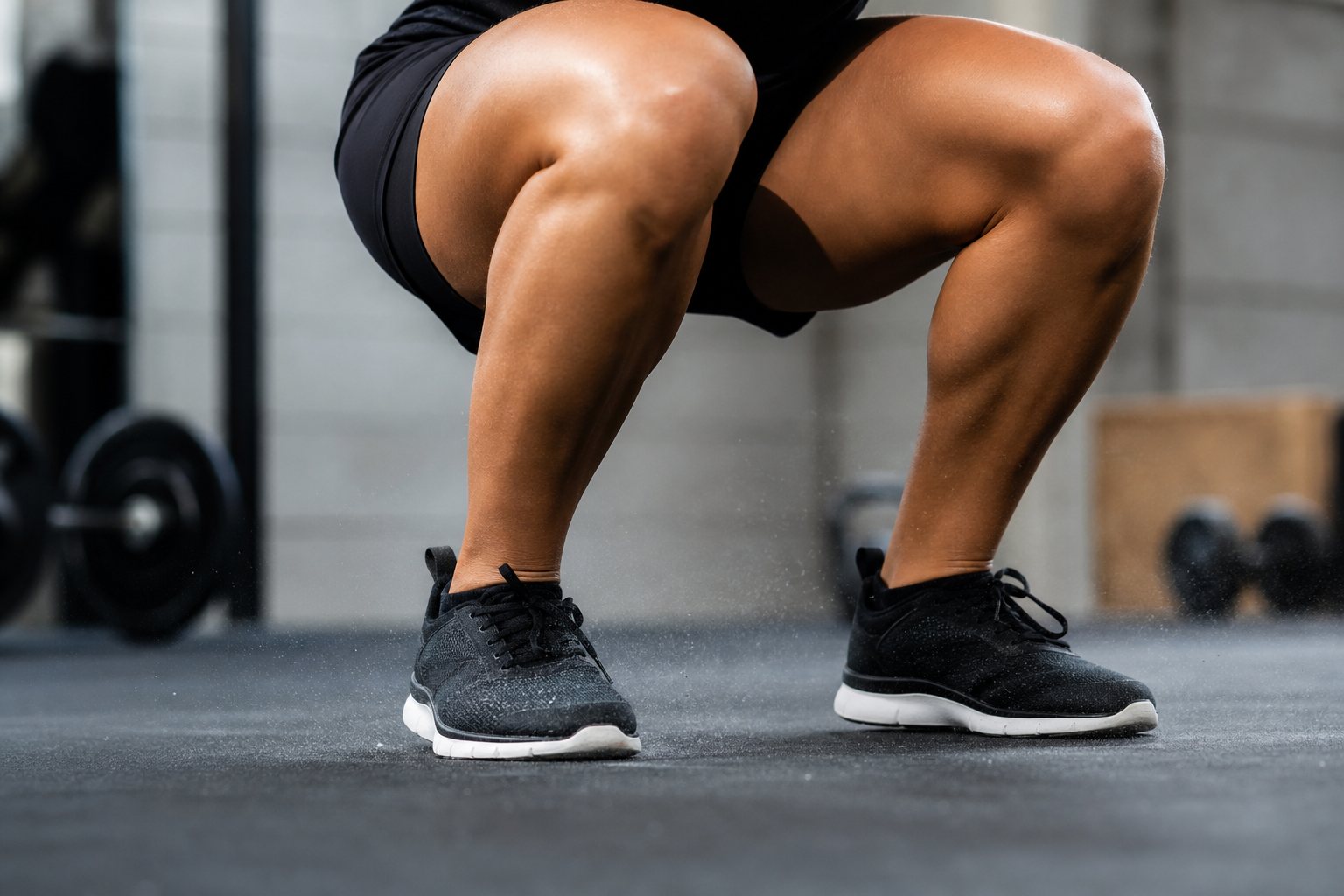
This page is for athletes, parents and coaches who want to understand how the way you move affects safety. It answers: what does safer movement look like in common situations such as landing, cutting, lifting and contact, and how do you get good coaching on it?
One point runs through everything below. There is no single correct technique that suits every body, age or sport. Good technique depends on the person, the rules of the sport, the equipment and the day’s fatigue. Treat the ideas here as general principles to discuss with a qualified coach, not as instructions to copy.
Why technique matters for safety
Technique is how forces travel through your body. When movement is well controlled, load is shared across several joints and muscles. When it is rushed, tired or poorly practised, a small joint or tendon may take more than its share.
That said, technique is only one factor. Strength, fatigue, surface, footwear, opponents and plain chance all play a part. Do not assume an injury means someone did something wrong, and do not assume perfect form makes you immune.
Getting good coaching
The most useful step is learning from someone qualified who can watch you move. Look for coaches who adapt to the individual, explain why as well as what, and welcome questions. Video can help, especially when reviewed together.
- Learn new skills slowly and at low intensity before adding speed, load or opposition.
- Expect technique to change as you grow, gain strength or return after time off.
- Tell your coach about pain, past injuries and how tired you are.
- Be cautious of advice that claims one method is right for everyone.
Landing and jumping
Many sports involve jumping, and the landing is where much of the load arrives. Coaches commonly work on landing softly and quietly, with joints bending to absorb force, and on keeping the body balanced and in control rather than collapsing inward or stiffening up.
Tired landings tend to be less controlled, so late-session or late-game jumps deserve extra attention. Ask a coach or physiotherapist to look at how you land if you have had repeated knee or ankle trouble.
Cutting, pivoting and changing direction
Sudden turns and stops put twisting forces through the knees and ankles. Coaching in this area usually involves learning to slow down before the turn, keep the body balanced over the feet and practise at gradually increasing speeds. Footwear and surface matter too, because grip that is too little or too much changes how the joint is loaded.
Lifting and strength training
Good lifting practice starts light. Beginners generally do best learning movements with a coach before increasing weight, and adding load only as control stays steady. Warm-up sets, steady breathing and a clear plan for stopping a set that is going wrong are standard coaching habits.
Lifting suits many ages when it is well supervised, but the right approach differs for children, teens, adults and those with medical conditions. Ask a qualified coach and, where relevant, a doctor.
Contact, falls and collisions
In contact and collision sports, safer technique is mostly about the rules and skills the sport itself teaches: how to tackle, fall, protect the head and neck, and avoid dangerous positions. Following the rules, and the officials who enforce them, is a major safety tool. Head and neck safety is especially important, so any suspected head injury needs proper assessment. See the concussion guide below.
Running, throwing and repetitive movements
Repeated actions such as running strides, swings or throws can irritate the body over time when volume rises faster than the body adapts. Technique helps, but so does how much you do and how quickly it increases, which is covered in the training load page.
When tiredness changes technique
Fatigue is a quiet cause of sloppy movement. If your form clearly falls apart late in a session, that is a signal to shorten the set, slow down or rest, not to push through. Coaches can build in breaks and lower-intensity work for this reason.
Guides to read next
- Basketball Injury Prevention
- Soccer Injury Prevention
- Gymnastics Injury Prevention
- Rugby Injury Prevention
- Weightlifting Training & Performance
- Skills & Technique Training
- Warm-ups & Movement Preparation
- Training Load & Overuse Prevention
- Concussion in Sports
- Knee Injuries in Athletes
- Ankle Sprains in Athletes
- Best Basketball Shoes for Ankle Support
Frequently asked questions
Is there one correct technique for everyone?
No. Bodies, ages and sports differ. A good coach adapts movement to the person and the rules of the sport.
Can good technique prevent all injuries?
No. It can reduce some risks, but fatigue, surface, equipment, training load and chance also matter.
When should I get my movement looked at?
If pain keeps returning in the same place, or you have had repeated injuries, ask a coach, physiotherapist or sports medicine doctor to watch you move.
Are online technique videos reliable?
They can be helpful for ideas, but they cannot see your body. Use them as a starting point and confirm with a qualified coach.