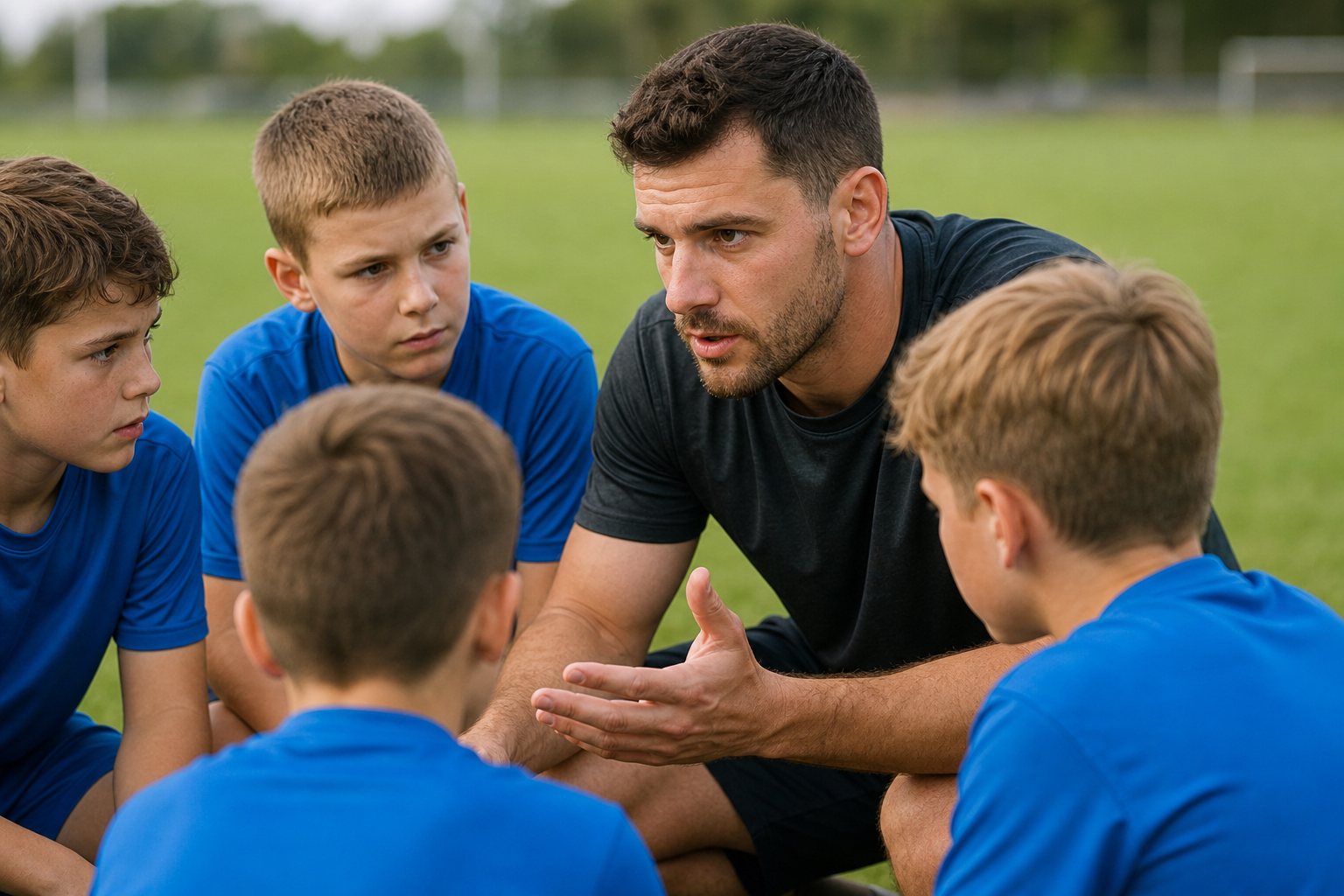
This guide is for parents, guardians, coaches and club volunteers who look after children and teenagers in sport. It explains how to keep young players safer through age-appropriate participation, good supervision, safe coaching and clear communication.
Young bodies are still growing, and children are not small adults. They need activities matched to their age, stage and ability, adults who are trained and accountable, and an environment where they can speak up. Sport is good for children. The goal here is to lower the avoidable risks so they can keep enjoying it.
Age-appropriate participation
Children develop at different speeds, so age alone does not tell you what a child can handle. Players of the same age can differ a lot in size, strength, coordination and maturity.
- Follow your sport’s age groups and rule changes for younger players. Many governing bodies adapt rules, equipment and field sizes for children, and these vary by league and country.
- Let children try a range of activities rather than pushing early focus on one sport.
- Build up gradually, and be careful with sudden jumps in how much a child plays or trains.
- Make rest part of the plan: days off during the week and breaks between seasons.
Overuse problems are a particular concern. See Overtraining and Overuse Injuries.
Supervision and the venue
Children need enough adults, in the right places, with a plan for emergencies. Ask how many coaches or helpers will be there, who has first aid training, and where the nearest phone and first aid kit are. Check that the facility and equipment are in good order; see Environmental & Facility Safety. Weather, heat and water need extra thought with young participants, so read Heat Illness in Athletes too.
Coaching
Good youth coaches teach skills at a suitable pace, explain the rules, and put safety ahead of winning. Ask about their training, whether they follow a code of conduct and how they handle injuries. A coach should never pressure a child to play through pain or after a suspected head injury. If a child is hurt, they stop and are assessed. For head injuries, see Concussion in Sports.
Children also learn from how adults behave on the sideline. Respect for referees, opponents and teammates is a safety habit as well as a manners one.
Safeguarding
Safeguarding means protecting children from harm including bullying, abuse, neglect and unsafe contact. Look for clubs that have written safeguarding and conduct policies, a named person to go to, background checks for adults working with children where your country requires them, and clear rules for communication, travel, changing rooms and overnight trips. Parents should feel free to ask to see these. If you are worried about a child, report it to the club’s safeguarding lead or your national or local child protection service. Do not wait for proof.
Communication with children and families
- Tell children they can say when something hurts, scares them or feels wrong, and that they will be listened to.
- Share medical needs, allergies and emergency contacts with the coach in advance.
- Keep parents informed about schedules, rules, injuries and any incidents.
- Agree how adults and children will message each other, usually through parents or group channels rather than private contact.
Protective gear and nutrition
Make sure children wear the gear their sport requires, that it fits them now, and that it is not worn out. Read Protective Equipment & Fit and see Best Bike Helmets for kids’ sizing points. Supplements are a separate question: for young athletes, talk to a doctor first and read Supplement Safety for Athletes.
Guides to read next
- Concussion in Sports
- Overtraining and Overuse Injuries
- Heat Illness in Athletes
- Hydration for Athletes
- Supplement Safety for Athletes
- Protective Equipment & Fit
- Environmental & Facility Safety
- Best Bike Helmets
- Soccer Injury Prevention
- Basketball Injury Prevention
- Swimming Injury Prevention
Frequently asked questions
How do I choose a safe club or team for my child?
Ask about coach training, safeguarding policies, first aid cover, supervision levels and how injuries are handled. A good club answers these openly.
Should my child specialise in one sport early?
Many sports bodies encourage variety when children are young, with rest periods built in. If you are unsure, talk to your child’s doctor or a qualified coach.
What should I do if my child is hurt in a game?
Stop play, make sure they are looked after, and get proper assessment, especially after a head injury, severe pain or any sign they are not themselves. Do not let them go back in until cleared.
Who do I tell if I am worried about a coach or another adult?
Start with the club’s safeguarding or welfare officer, or the governing body. If a child may be in immediate danger, contact the emergency services or local child protection authorities.
Official sources
These pages from health authorities are worth reading alongside this guide. We link to them for further reading; we are not quoting them.
- HealthyChildren.org (American Academy of Pediatrics): Sports injuries: Articles for families on youth sports injuries, concussion, heat illness, overuse and returning to play.