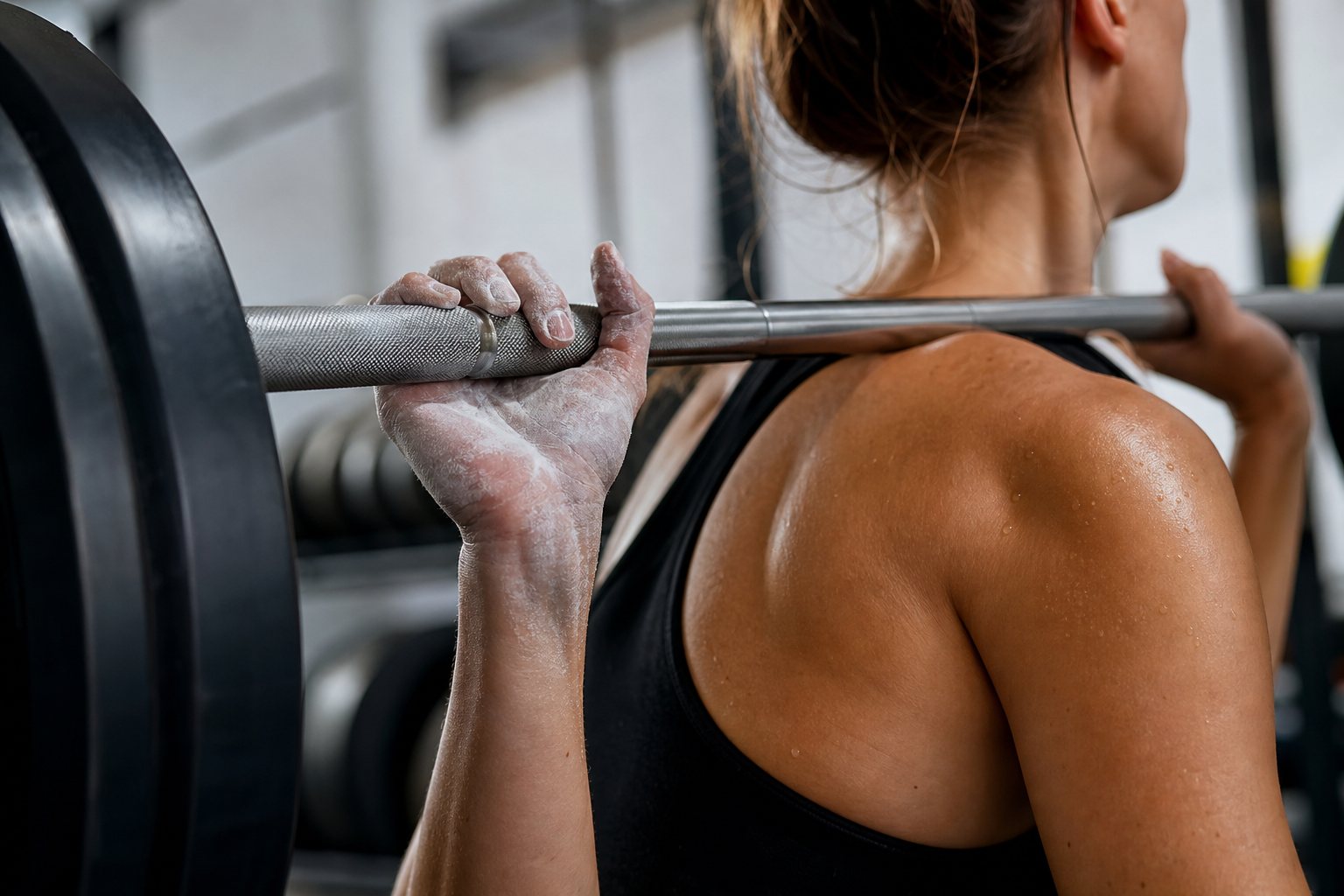
This page is for athletes, parents, coaches and adults who want to know how strength training fits into sport. It explains what strength and power are, the basic movements most programmes are built from, how coaches choose methods, and how to fit lifting around your practice and games.
It is general education, not a programme. Good strength training is individual, and beginners, young athletes and anyone with an injury or medical condition benefit from qualified coaching. Public health guidance, such as the CDC adult guidelines, recommends muscle-strengthening activity on at least two days a week covering all major muscle groups, which is a sensible general floor for most adults.
Sources: CDC, Physical Activity Guidelines for Adults
Strength versus power
Strength is how much force a muscle or group can produce. Power is how quickly you can produce force: a jump, a sprint start, a throw, a tackle. Both matter, and they build on each other. A stronger athlete usually has more potential to become powerful, and power work teaches the body to use that strength quickly.
Related ideas are muscular endurance (repeating force over time) and stability (holding positions and controlling movement). Different sports lean on different mixes of these. A sprinter and a long-distance runner both benefit from strength work, but the emphasis differs.
Basic movement patterns
Instead of thinking in single muscles, coaches often organise training around patterns:
- Squat or knee-dominant: sitting down and standing up, lunging, stepping.
- Hinge or hip-dominant: bending at the hips, as in a deadlift or a jump landing.
- Push: pressing away, overhead or horizontally.
- Pull: rowing or pulling toward you.
- Carry and brace: holding the trunk steady while moving.
- Rotate and resist rotation: turning, and stopping unwanted twisting.
- Jump, land and throw: power-focused patterns.
Covering these patterns across a week gives balanced development and shares the load between joints. Landing and cutting control matters particularly for knees and ankles; see our central guides on knee injuries in athletes and ankle sprains for what the injuries look like and when to see a professional.
Methods coaches use
Without getting into prescriptions, these are common approaches:
- Bodyweight and basic technique work: the starting point for most beginners and young athletes.
- Free weights and machines: barbells, dumbbells, kettlebells and machines each have strengths. Free weights ask more of coordination and balance; machines can be easier to learn and to set up safely.
- Resistance bands: portable and adjustable, useful at home or for warm-ups.
- Plyometrics: jumping and bounding, added once there is a base of strength and landing control.
- Olympic-style lifts and variations: powerful but technical, best learned with a coach.
- Single-leg and single-arm work: useful because sport is rarely symmetrical.
Whatever the method, the principles on our Training Principles & Planning page apply: progress gradually and recover well.
Technique, coaching and safety
Learn the movement before adding load. Early on, most of the gains come from learning to move well and the nervous system getting better at using muscle. Qualified coaching, ideally with someone experienced in your age group, saves time and avoids bad habits. Use a spotter or safeties for heavy bench or squat work, and keep a controlled pace.
Young athletes can generally do supervised strength training; many paediatric and sports organisations support it when properly coached and age-appropriate. Parents should look for programmes that stress technique and gradual progress rather than maximum lifts. If a child or adult feels pain beyond normal muscle tiredness, stop and have it checked.
Equipment options
You can start with very little: bodyweight, a pair of bands or a few dumbbells. A full gym adds variety. Specialised gear such as lifting shoes, belts and straps is optional and mostly helps experienced lifters in particular lifts. We cover these separately: resistance bands, weightlifting shoes, powerlifting belts and lifting straps. Wearable bar-speed or heart-rate devices can help some coaches but are not needed to get stronger.
Fitting strength into your sport
Lifting is a supporting actor for most sports. In-season, many athletes keep a shorter, lower-volume version to hold their strength while practice and games take most of the energy. In the off-season there is more room to build. Avoid scheduling the hardest lifting right before key competitions or the day before a skills session that needs sharp legs.
Warm up first and allow enough recovery between hard sessions; see sleep and recovery. Supplements are not required for strength, and any you consider should be checked against our supplement safety guide.
How strength work looks in different sports
Team sports like soccer and basketball emphasise leg strength, landing and change of direction. Endurance sports such as running use strength to improve economy and resilience. Sports with throwing or swinging, like baseball and tennis, need trunk and shoulder strength and control. Strength sports, such as weightlifting and powerlifting, make lifting itself the skill. Check the training page for your sport below.
Guides to read next
- Training Principles & Planning
- Speed & Agility
- Endurance & Conditioning
- Training & Performance by Sport
- Weightlifting Training & Performance
- Powerlifting Training & Performance
- Basketball Training & Performance
- CrossFit Training & Performance
- Knee Injuries in Athletes
- Best Resistance Bands for Athletes
- Best Weightlifting Shoes
- Supplement Safety for Athletes
Frequently asked questions
Will lifting weights make me slow or bulky?
Not by itself. Well-planned strength work usually supports speed and power. Size depends on how much you train and eat, and many athletes gain strength without large changes in body size.
When can kids start strength training?
Supervised, age-appropriate training with a focus on technique is widely considered suitable for young athletes. Ask a qualified coach or your child’s doctor if you are unsure.
How many strength sessions should an athlete do?
General health advice is at least two days a week of muscle-strengthening work. Athletes vary by sport and season, so ask a coach to fit it around practice and games.
Do I need a gym?
No. Bodyweight exercises, bands and a few weights can build a good base. A gym adds variety and heavier loads later.
What if something hurts when I lift?
Stop and get it checked if the pain is sharp, lasts after rest or changes how you move. Normal muscle tiredness is different from joint or sharp pain.