This page is for athletes, parents, coaches and anyone returning to sport who has hurt a wrist or hand, or wants to avoid doing so. It explains how this part of the body works, how it tends to get injured, and what a professional is likely to do about it.
It is general education, not a diagnosis. If something hurts, looks wrong or will not work properly, a clinician who can examine you in person is the right next step.
Basic anatomy and function
The wrist is not one joint but a group of small bones where the two forearm bones meet the hand. Those small bones are held together by ligaments and move over each other, which is what lets you bend, straighten and twist your hand. Beyond the wrist, the hand has long bones in the palm and finger bones, joined by small joints and moved by tendons that run from muscles in the forearm.
Nerves and blood vessels pass through tight spaces here too. That is why a wrist or hand problem can show up as tingling or weakness in the fingers, not only as pain. Hands and wrists also take load in many sports: catching a fall, gripping a bar or racket, absorbing a punch or a ball.
Common injury categories
- Fractures (broken bones). From a fall onto an outstretched hand, a direct blow or a crushing force. Some small wrist bones are easy to miss at first, so persistent pain after a fall deserves a proper look.
- Sprains. Overstretched or torn ligaments, often when the wrist is forced too far in one direction.
- Tendon problems. Irritation from repeated gripping, bending or twisting, or a tendon that is strained or torn in a sudden event.
- Finger joint injuries. Jammed, dislocated or sprained fingers, common in ball sports and climbing.
- Nerve irritation. Pressure on a nerve, giving tingling, numbness or weakness.
- Overuse and growth-related pain. Young gymnasts and others who bear weight through their hands can develop pain near the growing ends of the forearm bones.
Symptoms people may notice
Pain with gripping, twisting or weight-bearing; swelling; bruising; tenderness at one spot; a feeling of weakness or that the wrist might give way; clicking that hurts; stiffness; or tingling and numbness in the fingers. A finger that looks bent out of line, or a hand that cannot make a fist, is a clear sign to get seen promptly. For more on telling symptoms apart, see Sports Injury Symptoms: What to Notice.
Typical mechanisms and sport contexts
The classic cause is landing on an outstretched hand, whether in skating, skateboarding, snowboarding, cycling or a slip in any sport. Contact and combat sports add direct impact. Racket and bat sports add repeated forceful rotation. Gymnastics and similar sports place body weight through the wrist again and again. Climbing loads the fingers heavily. Heavy lifting and gripping can strain the tendons when load or volume rises quickly.
Poor technique, a sudden jump in training, worn or ill-fitting equipment and fatigue can each add to the risk.
Professional assessment
A clinician will ask how the injury happened, examine the hand and wrist for tenderness, swelling, movement, stability and nerve function, and compare with the other side. Imaging such as X-rays is often used to check for broken bones; other scans may be used when a ligament, tendon or small bone injury is suspected and the picture is unclear. Your doctor, an orthopaedic or hand specialist, or a sports medicine clinician can guide this.
General care pathways
What clinicians commonly do depends on the injury. A stable break or sprain may be supported with a splint or cast for a period. Some injuries need a specialist to realign bones or repair a ligament or tendon, which can involve surgery. Overuse problems are often managed by changing the load that caused them and by guidance from a physical or occupational therapist. This page does not give a self-treatment programme, because the right plan depends on what is actually injured.
Rehabilitation and returning to activity
After a wrist or hand injury, stiffness and lost grip strength are common, and a rehabilitation professional helps restore movement, strength and confidence in a planned order. Returning too early can set the injury back. Read more in Rehabilitation After Sports Injury and Returning to Sport After Injury. Your clinician, not a calendar, decides when your sport is safe again.
Prevention
Sensible habits help: building up gripping and weight-bearing work gradually, learning good technique for falls and landings, warming up the forearms and wrists, and using protective gear that suits the sport. See Technique for Injury Prevention, Protective Equipment in Sport and Warm-Ups for Injury Prevention. Ask a coach or clinician what fits your sport.
Relevant sports
Wrists and hands matter in many sports. Good starting points are Gymnastics Injuries, Boxing Injuries, Tennis Injuries, Climbing Injuries, Skateboarding Injuries and Baseball Injuries.
Guides to read next
- All Body Areas: Sports Injuries by Region
- Sports Injury Types Explained
- Sports Injury Symptoms: What to Notice
- Injury Assessment & Care in Sport
- Rehabilitation After Sports Injury
- Returning to Sport After Injury
- Technique for Injury Prevention
- Protective Equipment in Sport
- Gymnastics Injuries
- Boxing Injuries
- Tennis Injuries
- Climbing Injuries
- Best Wrist Wraps for CrossFit
Frequently asked questions
How do I know if my wrist is sprained or broken?
You often cannot tell by feel alone, since the two can look and hurt alike. Pain that does not settle, swelling, pain at one point on the bone or trouble gripping are reasons to have it examined, and often imaged.
Why does my hand tingle after a wrist injury?
Nerves run through tight spaces at the wrist, and swelling or injury can irritate them. Tingling or numbness that persists or spreads should be checked by a clinician.
Can I keep playing with a sore wrist?
Pain that changes how you move, or that worsens as you play, is a signal to stop and get advice. A clinician can tell you what is safe for your situation.
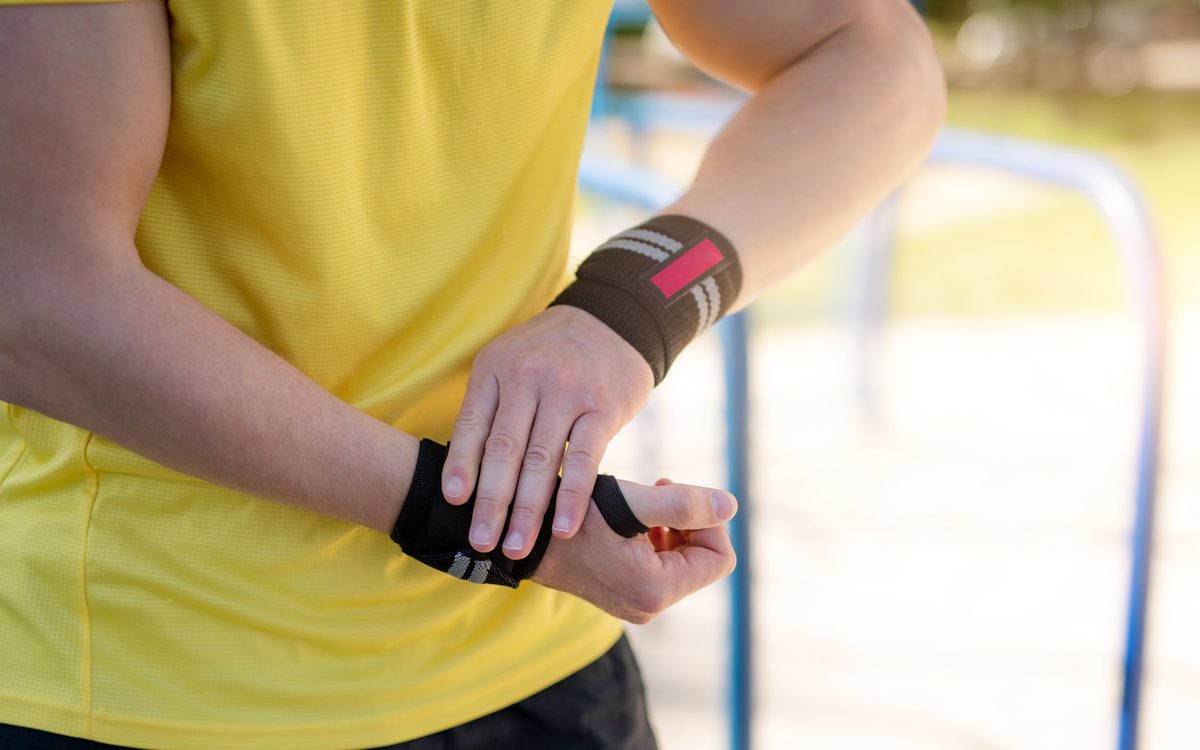
Do wrist wraps or braces prevent injury?
They may add support or comfort in some activities, but they are not a guarantee and do not replace good technique and gradual training. Ask your clinician or coach what suits your sport.