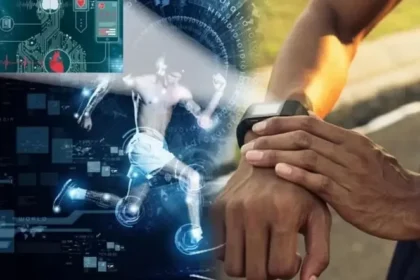




In recent years, wearable fitness technology has revolutionized how individuals monitor their workouts, track performance, and optimize recovery. As consumers increasingly seek personalized fitness solutions, advancements in technology have enabled the development of sophisticated devices that cater to these needs. This article explores the latest trends in wearable fitness technology and how they enhance athletic performance and recovery.
Current Wearable Technology Trends
The wearable fitness market has surged, embracing innovations such as advanced biometric tracking and AI integration. Notably, the industry has experienced a shift from basic activity trackers to comprehensive systems that monitor multiple aspects of health and fitness. Current trends include:
- Integration of health metrics such as heart rate variability (HRV), sleep patterns, and stress levels.
- Development of multi-sport tracking capabilities that cater to various athletic endeavors.
- Increase in user-friendly interfaces that engage users while promoting regular usage.
Athlete Monitoring and Biometric Tracking
Wearable fitness devices now utilize biometric tracking to monitor vital signs and performance metrics in real-time. These devices can measure:
- Heart rate and its variability, providing insights into cardiovascular health and recovery.
- Skin temperature and sweat rate, useful for assessing hydration levels.
- Gait and movement patterns to refine training regimens and reduce injury risks.
The data gathered from these metrics can be analyzed to develop personalized training programs that align with an athlete’s goals and physical capabilities.
Recovery and Sleep Tracking Systems
Understanding recovery is critical for enhancing athletic performance. Wearable recovery devices focus on tracking sleep quality, recovery time, and overall readiness to train. Key features include:
- Sleep cycle tracking, analyzing light, deep, and REM sleep stages.
- Post-exercise recovery analytics that assess fatigue and muscle soreness.
- Guided recovery protocols based on individual biometric data.
These tools enable athletes to optimize their recovery strategies, facilitating better performance outcomes.
AI and Smart Fitness Devices
Artificial intelligence is increasingly influencing wearable fitness technology. AI fitness wearables analyze data patterns and provide actionable feedback to users. Applications of AI include:
- Customized training plans based on historical performance and goals.
- Real-time coaching and feedback during workouts.
- Predictive analytics to anticipate injuries based on training loads.
This intelligent support system not only enhances training efficiency but also minimizes injury risks.
Sports Science and Performance Analytics
The integration of sports science with wearable technology has provided athletes with a deeper understanding of their performance. Key advancements include:
- Performance prediction using data-intensive models that forecast athlete outcomes.
- Biomechanical analysis tools assessing movement efficiency to optimize training.
- Data visualization techniques allowing athletes and coaches to interpret complex data easily.
These advancements support informed decision-making in training and competition strategies.
Risks and Limitations of Wearables
While the benefits of wearable fitness technology are substantial, there are inherent risks and limitations. Users should be aware of:
- The potential for data privacy issues related to personal health information.
- The accuracy of the data collected varies among devices.
- Dependency on data can lead to performance pressure and anxiety.
A critical approach to interpreting data can help in maximizing the benefits while minimizing risks.
Consumer Adoption and Market Growth
The adoption of fitness wearables is on the rise, fueled by increasing health awareness and a focus on preventive health. The market growth is attributed to:
- Cost reductions in manufacturing leading to lower prices for consumers.
- Increased availability of products tailored for different athletic and health needs.
- The advent of collaborative platforms integrating wearables with fitness communities.
As technology continues to improve, the consumer base for wearables is expected to broaden.
Future of Wearable Performance Technology
The future of wearable performance technology appears promising. Innovations on the horizon include:
- Enhanced predictive analytics using machine learning for personalized training adjustments.
- Integration of augmented reality (AR) for immersive training experiences.
- Further miniaturization for more comfortable and practical wearable devices.
These advancements will likely enhance engagement and effectiveness in training and recovery.
Conclusion
Wearable fitness technology continues to transform how athletes train, recover, and enhance performance. By leveraging biometric monitoring, AI, and robust analytics, athletes can optimize their workouts and achieve their goals more effectively. As the industry evolves, it is crucial for consumers to balance the benefits with considerations of data accuracy and privacy. The future of wearable performance technology is bright, with continual innovations set to elevate the fitness experience.