This article contains affiliate links: if you buy through them we may earn a commission, at no extra cost to you. Read our affiliate disclosure.
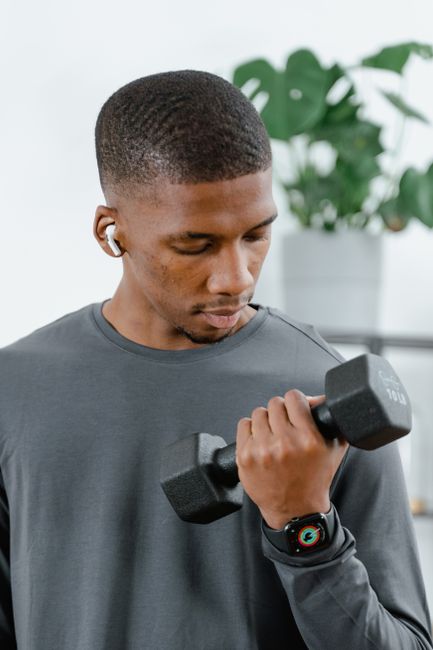
Three rounds into a 20-minute AMRAP, you glance at your wrist between wall balls and the watch says your heart rate is 104. You are absolutely not at 104. That’s the CrossFit wearables problem in one moment: wrists flex on every pull-up, grip and front rack, bars bang into watch faces, and calorie counts for barbell work are mostly guesses. The good news is that the right device, worn in the right place, gives you useful numbers: heart rate during the WOD, training load across the week, and sleep and recovery trends. This page picks the best wearables for CrossFit in 2026 and explains why where you wear it matters as much as which brand you buy.
Our top picks

Polar Verity Sense
- Armband optical sensor
- Bluetooth + ANT+

Polar H10
- Chest strap, ECG-based
- Up to 400 h battery
$89.20 at Amazon, as of Nov 22, 2026 13:07 UTC
Check price on Amazon
Garmin Instinct 3 AMOLED
- Metal-reinforced bezel
- AMRAP, EMOM, Tabata timers
$249.99 at Amazon, as of Nov 22, 2026 13:07 UTC
Check price on Amazon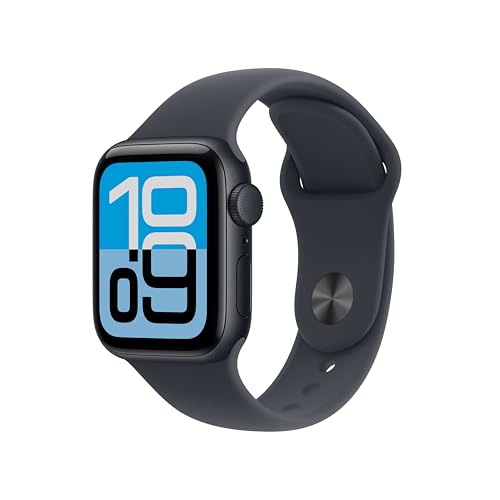
Apple Watch SE 3
- HIIT and strength workout types
- Up to 18 h battery

Amazfit Helio Strap
- Wrist or upper arm
- Up to 10 days
$99.00 at Amazon, as of Nov 22, 2026 13:07 UTC
Check price on AmazonWHOOP 5.0 (Peak membership)
- No screen, 14+ day battery
- Strain, Recovery, Sleep
CrossFit wearables compared
| Device | Type | Where you wear it | Subscription | About (Oct 2026) |
|---|---|---|---|---|
| Polar Verity Sense | Optical HR sensor | Upper arm | None | $105 |
| Polar H10 | Chest strap | Chest | None | $105 |
| Garmin Instinct 3 AMOLED | GPS watch | Wrist | Optional | On Amazon, $449 launch price |
| Apple Watch SE 3 | Smartwatch | Wrist | None needed | From $229 |
| Amazfit Helio Strap | Recovery band | Wrist or upper arm | None | $100 |
| WHOOP 5.0 | Recovery band | Wrist or upper arm (accessory) | Required | $239/year (Peak) |
First, the CrossFit problem: wrists and barbells
Most watches and bands read heart rate with light through the skin of your wrist. That works well for running, less well when your wrist bends and tenses through cleans, kipping and kettlebell swings. A Cleveland Clinic study found chest straps matched an ECG almost perfectly, while wrist devices were less accurate and got worse as intensity went up. Newer research is kinder: in a 2026 study of 62 adults, four big-brand smartwatches tracked heart rate reasonably well during both endurance and resistance exercise, but their calorie estimates during resistance exercise were poor. A second 2026 study found the upper-arm Polar Verity Sense and the Apple Watch SE among the closest to an ECG chest strap. So: chest straps or upper-arm sensors for WOD heart rate, wrist devices for everything else, and don’t trust the calorie number after a barbell session.
Two practical notes. Smart rings and barbells don’t mix well: Oura’s own support advice is to take the ring off for activities with a lot of friction, like weightlifting. And at competitions, check the event rules before wearing anything on your wrist; a sensor on the upper arm or chest under your shirt is the least likely to get in the way.
The best wearables for CrossFit
1. Polar Verity Sense: best for heart rate during WODs
The Verity Sense is a small optical sensor that sits on your upper arm in a soft armband, out of the way of wrist wraps, grips, rings and the bar. It weighs about 0.7 oz, sends heart rate over Bluetooth and ANT+ to a watch, phone or gym screen, and can also record on its own memory (600 hours, Polar says). Polar lists up to 30 hours of battery; the Amazon listing says 20, so plan on charging it every week or so..
- Good: no chest strap; stays put through burpees and pull-ups; works with almost any app or watch.
- Watch out: no screen; it’s a sensor, so you still need a watch or phone to see the numbers live.
- Best for: class athletes who want reliable heart rate without a strap.
2. Polar H10: most accurate heart rate
If you want the closest thing to a lab ECG, it’s a chest strap, and the H10 is the reference many studies use. Up to 400 hours on a coin battery, Bluetooth and ANT+ so it pairs with a Garmin, an Apple Watch app or a box’s screen at the same time, and memory for one session. About $105 at Polar. The trade-off: some athletes find a strap annoying on toes-to-bar and rope climbs.
- Good: best accuracy; long battery; pairs with almost everything.
- Watch out: a strap around your chest that some athletes never get used to.
- Best for: data-minded athletes and competitors pacing to heart rate.
3. Garmin Instinct 3 AMOLED: best watch for the box
A watch in a CrossFit gym gets hit, so a tough one makes sense. The Instinct 3 AMOLED has a rugged case with a metal-reinforced bezel and a bright screen, and its HIIT activity includes built-in AMRAP, EMOM and Tabata timers, plus a free mode for other formats. It also has Garmin’s Training Readiness and HRV Status, no subscription needed. Launch price was $449 for the 45 mm. Pair it with a Polar chest strap or arm sensor for the most accurate WOD heart rate.
- Good: built for knocks; WOD timers on your wrist; multi-day battery; GPS for runs.
- Watch out: wrist heart rate still struggles in grip-heavy work; chunkier than a smartwatch.
- Best for: athletes who want one rugged watch for the box, runs and everyday life.
4. Apple Watch SE 3: best for iPhone users
If you have an iPhone, the SE 3 is the easy choice. Apple’s Workout app includes High Intensity Interval Training, Functional Strength Training, Traditional Strength Training, Cross Training, Rowing and Jump Rope workout types, and it pairs with Bluetooth chest straps. Apple lists up to 18 hours of battery (32 in Low Power Mode), water resistance to 50 m, and safety features like Fall Detection. From. In the 2026 comparison study, the Apple Watch SE was among the closest to the ECG reference.
- Good: great app ecosystem; accurate for a wrist device; price.
- Watch out: needs an iPhone; daily charging; the screen is less protected than a rugged watch.
- Best for: class athletes who want one everyday smartwatch.
5. WHOOP 5.0 and Amazfit Helio Strap: best for recovery tracking
Screenless bands don’t time your WOD; they track strain and recovery around it: sleep, resting heart rate and heart-rate variability, rolled into a daily score. Both can be worn on the upper arm, which suits CrossFit. WHOOP is sold as a membership (sensor included) with 14+ days of battery. One long-term review found WHOOP’s heart rate on the biceps tracked a chest strap very closely, and was less reliable on the wrist during HIIT. The Amazfit Helio Strap costs about $100 with no subscription, lasts up to 10 days, recognizes 25 strength exercises and has a HYROX race mode. Neither is a medical device. Our WHOOP vs Oura vs Garmin comparison and best WHOOP alternatives go deeper.
Check the Amazfit Helio Strap price on Amazon
How to choose a CrossFit wearable
- Decide what you want to know. “How hard am I working in the WOD?” points to a chest strap or arm sensor. “Am I recovered?” points to WHOOP, Amazfit or a Garmin. “What’s the clock?” points to a watch with AMRAP and EMOM timers.
- Think about placement. Upper arm and chest beat the wrist for barbell and gymnastics work, and stay out of the way of wraps and grips.
- Ignore the calories after lifting. Research shows calorie estimates during resistance exercise are poor across brands.
- Count the real cost. One payment (Polar, Garmin, Apple, Amazfit) versus a yearly membership (WHOOP).
- Use trends, not single days. A low recovery score is a nudge to scale or rest, not a diagnosis. See HRV for athletes.
More heart-rate options are in the best heart rate monitors for athletes. How to use the data in your week is on CrossFit training and CrossFit recovery, or head back to the CrossFit hub.
CrossFit wearables: FAQs
What is the best watch for CrossFit?
For a tough, do-everything watch, the Garmin Instinct 3 AMOLED stands out: a rugged case and built-in AMRAP, EMOM and Tabata timers. iPhone users get a lot from the Apple Watch SE 3. For the most accurate WOD heart rate, add a chest strap or arm sensor.
Are fitness trackers accurate for CrossFit?
For heart rate, chest straps are the most accurate, and upper-arm sensors come close. Wrist devices are fine for steady cardio but less reliable in grip-heavy work. Calorie counts during weightlifting are poor on every brand tested in a 2026 study.
Is WHOOP good for CrossFit?
Many CrossFit athletes like it for sleep and recovery tracking, and it can be worn on the upper arm, where one long-term review found its heart rate much more reliable than on the wrist during HIIT. It needs a yearly membership.
Can I wear an Oura ring while lifting?
Oura’s support advice is to remove the ring for high-friction activities like weightlifting, since bars can scratch it. Many athletes wear it overnight for sleep and take it off for training.
Do I need a subscription?
Not for most picks here: Polar, Garmin, Apple and Amazfit work without one. WHOOP is sold only as a membership, and Oura charges a $5.99 monthly membership on top of the ring.