Explore this hub
- Warm-ups & Movement PreparationA plain guide to warming up well: what it is for, how to build one, and how to fit it to your sport.
- Technique & Movement SafetyGeneral principles of safer movement, with a reminder that technique must fit the person and the sport.
- Training Load & Overuse PreventionA plain guide to planning how much training is right and speaking up before overuse becomes a problem.
- Protective Equipment & FitA plain guide to choosing, fitting, checking and replacing protective sports gear so it does its job.
- Environmental & Facility SafetyA practical guide to checking conditions and venues before you train or compete.
- Youth Sports SafetyA plain guide for parents and coaches on lowering avoidable risks for young athletes.
- Injury Prevention by SportEvery sport guide for this subject, from one list.
This page is for athletes, parents, coaches and organisers who want sport to be as safe as it reasonably can be. It explains what prevention can and cannot do, the main areas that matter, and where to find the detail.
It is general education, not a guarantee and not a personal programme. For individual concerns, talk to a coach, doctor or physiotherapist.
What prevention can and cannot achieve
Good preparation lowers the chance and often the severity of injury, but no measure removes risk. Sport involves speed, contact, falls and repetition, and some injuries happen despite everything being done well. Be wary of any product or routine that promises to make you injury-proof.
The most useful mindset is layered: many modest protections that add up, such as preparation, technique, sensible workload, suitable equipment, a safe environment and good supervision, rather than reliance on a single fix. Prevention also includes responding well when something does go wrong, which is why recognising injuries early matters. See sports injuries and joint health.
Preparation
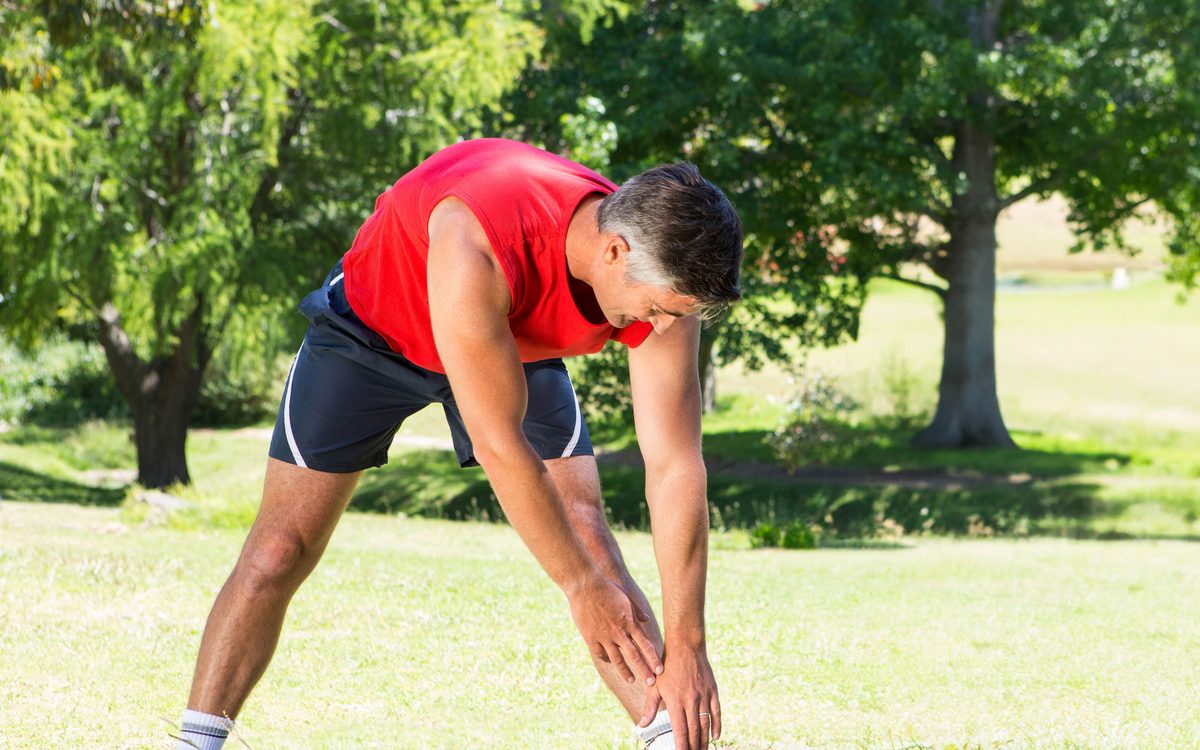
Being physically ready for the demands of the sport is the foundation. That means building fitness gradually, practising the movements the sport requires, and warming up before hard sessions or matches so the body is ready to move quickly. Our warm-ups hub explains what a good warm-up does. Preparation also covers health basics: sleep, food, hydration and being well enough to play. If you have a medical condition or a past injury, check with a health professional before stepping up your activity.
Technique and coaching
Poor technique is not just inefficient; it can load the body in ways it handles badly, such as awkward landings or throwing actions. Qualified coaching, clear teaching of how to fall, land, tackle or tumble, and feedback during practice all reduce avoidable risk. Learning skills in a progression, with the basics secure before adding speed or difficulty, is safer. See the technique hub for more.
Training load
Many injuries come from doing too much, too soon, or from a sudden jump in activity after time off. Increasing workload gradually, including planned easier days and weeks, and listening to persistent pain give the body time to adapt. This matters for adults returning to sport and for young athletes training year-round. Read training load and overtraining and overuse injuries, and look after recovery with sleep and recovery.
Equipment and environment
Equipment that fits, is the right type for the sport and is in good condition does its job better. Helmets, guards, pads, braces and footwear each protect specific things and not others, and standards differ by sport and governing body. See protective equipment, and for buying guidance best bike helmets, best ski helmets and best ankle braces.
The environment matters too: playing surfaces, lighting, water conditions, traffic, weather and heat. Hot, humid days raise the risk of heat illness; see heat illness in athletes and hydration for athletes. The environment hub covers the wider picture.
Youth participation
Children and teenagers are still growing, and their needs differ from adults’. Supervision, age-appropriate coaching, varied activity, rest and attention to head injuries are especially important. Parents and coaches can help by encouraging breaks, not rewarding playing through pain, and making sure there is a trained adult. See youth participation and safety.
Sport-specific precautions
Risks differ by sport. Contact sports bring collisions and head injuries; running brings repetitive load; water sports bring conditions and supervision; cycling and skiing bring speed and falls. Each sport has its own injury prevention section, such as soccer injury prevention, running injury prevention and swimming injury prevention. Follow the rules and guidance of the sport’s governing body.
A plain safety checklist
- Am I healthy enough to play today, and rested?
- Have I warmed up for what I am about to do?
- Is my equipment the right type, fitted well and in good condition?
- Is the surface, weather and setting suitable?
- Is there qualified supervision, and does someone know what to do in an emergency?
- Am I increasing activity gradually?
- Have I had water and eaten sensibly?
- Do I know when to stop and who to tell if something hurts?
Recognising and caring for injuries
Prevention includes knowing what to do afterwards. After a head injury, stop playing and get checked: see concussion in sports. For other injuries, assessment and care explains what professionals do, and understanding symptoms helps you describe what you notice. Recovery and return to training should be guided by a professional; see return to sport.
Guides to read next
- Warm-Ups for Athletes
- Technique and Coaching for Safety
- Training Load and Overuse
- Protective Equipment
- Environment and Playing Conditions
- Youth Sport Safety
- Safety and Injury Prevention by Sport
- Soccer Injury Prevention
- Running Injury Prevention
- Basketball Injury Prevention
- Concussion in Sports
- Heat Illness in Athletes
- Best Bike Helmets
Frequently asked questions
Can injuries be fully prevented?
No. Sensible preparation, technique, workload and equipment reduce risk, but cannot remove it.
Is warming up really necessary?
A warm-up prepares the body and mind for the demands of the session, and is widely recommended by coaches and sports bodies.
Does protective equipment make a sport safe?
It reduces certain risks, such as impact to the head or shins, but it does not stop every injury. Fit and correct use matter.
What is the biggest mistake athletes make?
Doing too much too soon, or playing on through pain that is getting worse.
Who should I ask about my own situation?
A qualified coach for technique and training, and a doctor or physiotherapist for pain, past injuries or health conditions.