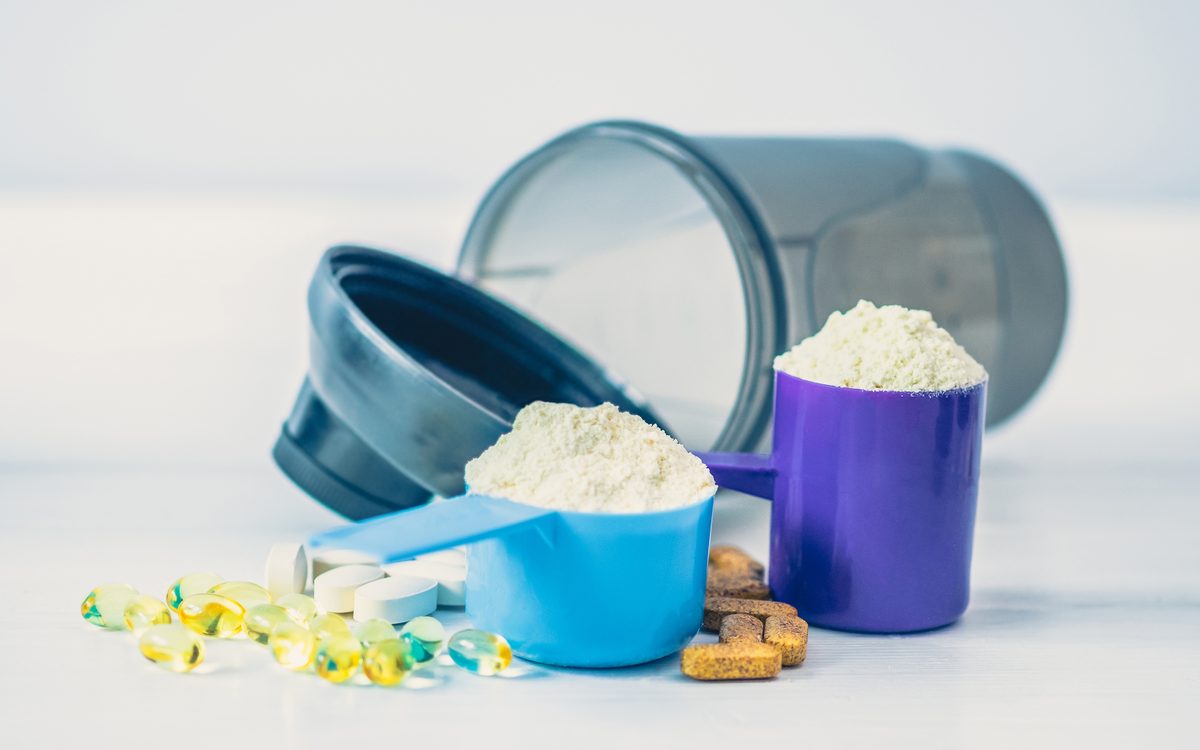
It is the night before a big meet. A teammate slides a tub of pre-workout across the locker-room bench and says, “Everybody uses it, it’s just a supplement.” You turn it over, and the label is a wall of tiny type and a “proprietary blend.” Do you know what is really in there? Supplement safety for athletes is about answering that question before you swallow anything: what is in the product, whether it could cause a positive drug test, and whether it is safe for your body at all.
What is the safest way to approach supplements as an athlete? Start with food, training, sleep and fluids; the American Academy of Pediatrics says these matter most for young athletes. If you still choose a supplement, anti-doping agencies say third-party testing programs such as NSF Certified for Sport and Informed Sport can reduce your risk, but no program can remove it completely. If you compete in a drug-tested sport, check with your sport’s anti-doping body first, and see a doctor or sports dietitian if you have a health condition, take medicine, are pregnant, or feel unwell after taking a product.
When to get urgent medical help
Stop taking the product and call your local emergency number (911 in the US) if you have trouble breathing, swelling of the lips, face or throat, chest pain, a racing or irregular heartbeat with faintness, collapse or a seizure after taking a supplement or any product sold for muscle building, energy or weight loss. The FDA warns that body-building products containing steroids or steroid-like substances can cause serious liver injury, so yellowing of the skin or eyes, very dark urine or severe stomach pain also needs prompt medical care. Bring the container with you so clinicians can see the label and batch number. Anything milder that began after a new product is still worth a call to a doctor or pharmacist.
Why supplements are a special risk for athletes
Two separate problems get mixed up, and it helps to pull them apart.
- Health safety. The FDA says manufacturers and distributors are responsible for the safety and labeling of their dietary supplements and may not sell products that are adulterated or misbranded; the agency can act against a product after it is on the market. In other words, supplements are not checked and approved one by one before they reach the shelf. The American Academy of Pediatrics adds that many products do not contain the ingredients listed on the label.
- Anti-doping safety. In sports that test, the US Anti-Doping Agency (USADA) says athletes are responsible for what is in and on their bodies at all times. A product that is perfectly legal in a shop can still cause a positive test if it holds a prohibited substance.
How often does a label miss something? USADA describes three ways a label can be wrong: a listed ingredient is missing, an unlisted prohibited substance is present, or different batches of the same product contain different things. It says some products sold as supplements have contained anabolic steroids, SARMs, hormones or stimulants such as DMAA. A published review of testing since 1999 found that an international study of 634 supplements bought in 13 countries (2001 to 2002) detected anabolic steroids, mostly prohormones, in about 15% of the non-hormonal products. That study is old, and the market has changed, but the lesson held: contamination and fakes are real.
A 2022 study of 18 years of doping controls in one national anti-doping program (2003 to 2020) found that in 26% of the analytical rule violations (49 of 192), the athlete claimed a supplement was the source. Evidence supported the claim in about half of those cases, or 14% of all violations. Stimulants were the most common substances linked to supplements, and the products involved were mostly multi-ingredient pre-workouts and fat burners.
What third-party testing is, and what it is not
Third-party certification means an outside company, not the brand, tests the product for substances banned in sport and often audits the factory. USADA’s Supplement Connect page names five programs: Banned Substance Control Group (BSCG), Eurofins Clean Sport Certified, Informed Sport, NSF Certified for Sport and TruShield Certified. USADA calls this “the best way to reduce your risk,” and in the same breath says no resource can protect you completely. USADA also states that it does not evaluate, certify, approve or endorse any supplement or supplement company, so “USADA-approved” on a label should be a red flag.
How the programs describe their own checks
- Informed Sport says it is a voluntary program run with the doping-control laboratory LGC. Each batch is tested before it reaches the market, products are blind-tested again after certification, manufacturing sites and raw materials are reviewed, and you can look up a batch number on its website. It screens for more than 285 substances, and it states that no testing program can test for every substance that could be prohibited in sport. It does not currently certify cannabinoid products.
- NSF Certified for Sport lets you search its certified products by name, keyword or lot number on its website or app. It also warns that some governing bodies prohibit hemp or CBD products and that you should check with yours first.
These are the programs’ own descriptions. A certification mark is a useful signal, not a guarantee, and it is not a statement that a product works or is healthy. It also covers one product and one batch: check the exact product, flavor and lot number you are holding, not just the brand.
Banned substances: how the rules work
The World Anti-Doping Agency (WADA) publishes the Prohibited List, which is revised at least once a year and takes effect on 1 January; the 2026 list came into force on 1 January 2026. Ask your league, school or federation which list and which rules apply to you, because the NCAA, professional leagues and some sports federations have their own policies. Three points trip people up:
- The list changes. Something allowed last season may not be allowed now. Check the current year’s list.
- Lists of “bad products” are never complete. USADA says its High Risk List “is not complete,” and that there could be many hundreds of products on the market that would qualify but have not been identified.
- Plants can contain prohibited substances. USADA notes that some herbal ingredients naturally produce them and recommends asking an herbal specialist. Its Global DRO tool checks medicines and their ingredients, not supplements, and a “not prohibited” result for one ingredient such as creatine does not clear a finished product that might hold hidden extras.
If you need a medicine that is on the list for a real medical condition, ask your doctor and your anti-doping body about a Therapeutic Use Exemption (TUE) before you compete. Do not stop prescribed treatment on your own.
Questions to ask before you take anything
Print this and keep it on your phone. These questions draw on the guidance from USADA, the FDA and the American Academy of Pediatrics:
- Do I need it at all? Could food, fluids, sleep or a better training plan do the job? The AAP says athletes who eat well do not need vitamin or mineral pills, and that protein and creatine have no proven performance benefit for young athletes.
- Is this exact product, and this exact batch, certified by an independent program for sport? Look it up on the program’s website rather than trusting the logo on a tub or a seller’s page.
- Does the label list every ingredient clearly? Be wary of “proprietary blends,” vague names and products promising big muscle, weight or energy changes fast.
- Do I compete under anti-doping rules? If yes, check with your team physician, athletic trainer or anti-doping body before use, and keep the container and receipt.
- Is it safe for me? Caffeine and other stimulants are not suitable for everyone. The AAP warns that high caffeine intake from powders, pills and multiple energy drinks can be dangerous, especially for young athletes. If you have a heart condition, take medicines, are pregnant, or are under 18, talk with a doctor first.
- Where did I get it? A product from an unknown online seller or a social-media ad is a bigger gamble than one from an established retailer. Certifiers list tested batches on their websites, so a lot number you cannot find there is a question to ask.
- Did I write down what I took? If you feel unwell or get a test result you cannot explain, a record of products, batches and dates helps your doctor and your anti-doping body.
Youth, school and women athletes
For young athletes the American Academy of Pediatrics takes a food-first line: it calls supplements a shortcut that is “of little benefit and can be dangerous” and points families to fluids, calories, training, conditioning and rest instead. If a teen asks about a supplement, a conversation with their pediatrician or a registered dietitian is a good first step.
What we do on this site
AthleteRX does not recommend, rank or sell supplements on this page, and nothing here is a dose recommendation. Where our buying guides compare supplements, we say plainly whether a product is third-party certified for sport and treat “not certified” as a fact worth knowing. See our nutrition and supplements guides, and read the label and talk to a professional before you buy.
Supplement safety FAQs
Does the FDA approve supplements before they are sold?
No. The FDA says firms must assess the safety and labeling of their products before marketing them and may not sell adulterated or misbranded products, but the agency acts after a product is on the market.
If a product is certified, am I fully protected from a positive test?
No. Informed Sport says no testing program can test for every substance that might be prohibited, and USADA says no resource can protect you completely. Certification lowers risk; it does not remove it.
What does “USADA approved” on a label mean?
Nothing real. USADA states that it does not evaluate, certify, approve or endorse any supplement or supplement company.
Is a “natural” or herbal product safer for drug tests?
Not automatically. USADA notes that some plants naturally produce prohibited substances, so herbal products need extra care and, in a tested sport, a conversation with an herbal specialist or your anti-doping body.
Can I use Global DRO to check my protein powder?
No. USADA says Global DRO checks medications and their ingredients, not supplements. A single ingredient showing as not prohibited does not clear a finished product.
I think a supplement made me sick. What now?
Stop taking it, keep the container, and contact a doctor or pharmacist. For severe symptoms call emergency services. The FDA has a “How to Report a Problem” resource for consumers and clinicians.
Sources
- USADA: Supplement Connect
- USADA: Substances and Global DRO
- USADA: What’s new on the 2026 WADA Prohibited List
- NSF Certified for Sport
- Informed Sport: frequently asked questions
- FDA: Dietary supplements
- American Academy of Pediatrics, HealthyChildren.org: Performance-enhancing substances
- Geyer et al., Nutritional supplements cross-contaminated and faked with doping substances (2008)
- Dietary Supplements as a Major Cause of Anti-doping Rule Violations (2022)
General information for education only, not medical advice. It cannot tell you whether a product is right or safe for you, or whether it is allowed in your sport. Ask a doctor, pharmacist or sports dietitian, and your anti-doping body. Read how we work in our editorial policy and find more in Nutrition and athlete wellness.