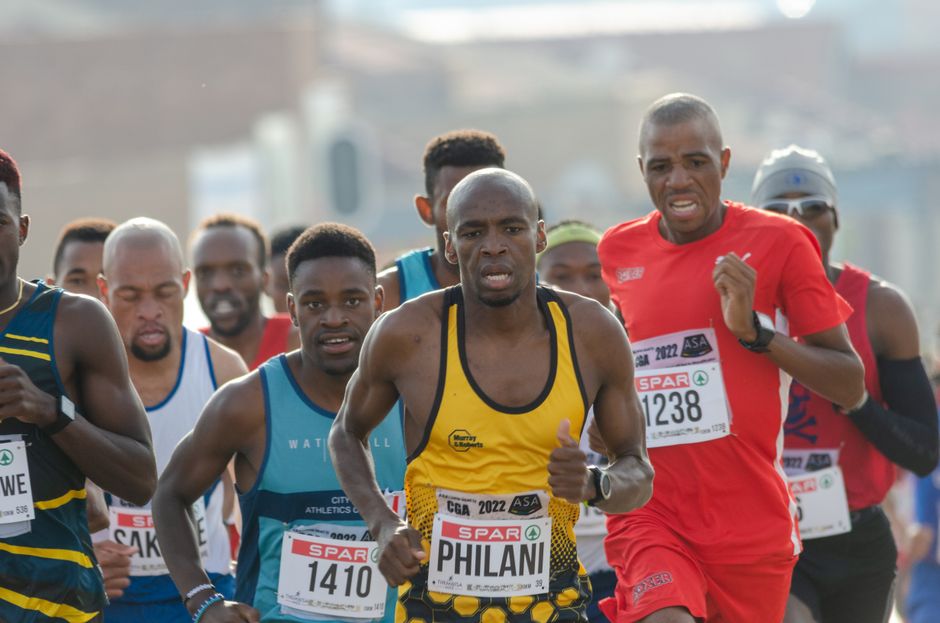
Ten weeks into a marathon build, the plan says 18 miles on Saturday. You feel great, the weather is perfect, and a friend invites you to run it with a new loop and a brand-new pair of shoes. Nothing hurts. That is exactly the moment most running injuries are born: not from one bad step, but from a few small changes stacked on a body that has not caught up. Running injury prevention means the habits (how much you add, how you strengthen, what you wear and where you run) that make an overuse injury less likely; it can lower the odds, never remove them.
Quick answer: The best-supported steps are to build training gradually (and watch single long runs, not only weekly totals), add regular strength work, and rotate shoes and surfaces without sudden changes. Heat and traffic need their own plans. See a clinician (a sports medicine doctor, physical therapist or athletic trainer) if pain changes how you run, pain starts to hurt while walking or at night, or a niggle lasts more than a couple of weeks.
This page is about lowering risk before you are hurt. For what each injury feels like and its warning signs, go to our running injuries page; the full training picture is on running training.
Warm-up: what the evidence does and does not say
Some sports have a named, tested warm-up program; soccer has FIFA 11+, for example. Running does not have an equivalent, widely adopted program that we could confirm from a published trial, so we will not invent one. What most coaches and athletic trainers agree on is practical: start with a few minutes of easy jogging or brisk walking, then add some dynamic movements (leg swings, skips, bodyweight lunges) before hard workouts or race day. Treat that as sensible routine, not as a proven injury shield. The more important point is the one most runners skip: the first mile of an easy run is itself the warm-up, so keep it truly easy.
Technique: be careful with promises
Many runners hope to prevent injury by fixing their form or picking the “right” shoe for their foot type. The research is humbler than the marketing. In a 2014 study in the British Journal of Sports Medicine of 927 novice runners given the same neutral shoe, how much their feet rolled inward (pronation) was not associated with injury risk. And a 2015 paper in the same journal on the “comfort filter” argues that shoes that feel comfortable to you may be a better guide than a diagnosis made in a store. A running coach or physical therapist can still help if your form looks strained, or if you have a recurring problem, but nobody can promise that a form change prevents injury.
Progressive training load
Doing too much too soon is among the most repeated risk factors in running. The honest picture is mixed, and our training page goes through it in detail. In short, as it applies to prevention:
- The “10% rule” is a gentle guide, not a guarantee. In the 2008 Dutch GRONORUN trial (American Journal of Sports Medicine), 532 novices on a graded 13-week plan built on 10% increases were injured about as often (20.8%) as those on a standard 8-week plan (20.3%).
- Watch single long runs. A 2025 study in the British Journal of Sports Medicine of 5,205 runners found that a run more than 10% longer than the longest run of the previous 30 days was linked to higher rates of overuse injury, while week-to-week changes in total distance did not show the same link.
- Big jumps in weekly distance deserve caution. A 2014 study of 874 novices found no overall difference between groups, but runners who raised weekly distance by more than 30% had more distance-related injuries such as runner’s knee and shin splints.
- Previous injury counts. In a 2015 study of 264 recreational runners over 22 weeks, a previous injury was linked to a higher risk of a new one (hazard ratio 1.72). If you are coming back from an injury, you are in a higher-risk window, so be more patient, not less.
- Rest is part of the load. AAOS lists fewer than seven hours of sleep and no rest days among stress-fracture risk factors, and notes that these injuries often appear 3 to 4 weeks after a new routine or season begins.
A 2022 review in the Journal of Athletic Training of 36 studies called the links between weekly distance, frequency, intensity and injury “conflicting”, which is itself a lesson: no single number protects everyone. A practical habit that follows from the evidence: change only one thing at a time (distance, speed, hills, shoes or surface), and ease off the following week if something starts to nag.
Conditioning and strength
If you add one thing, make it strength. A 2018 meta-analysis in the British Journal of Sports Medicine (Lauersen and colleagues; 7,738 participants across sports, not only runners) found that strength training reduced sports injuries to about a third of the control-group rate, with more training linked to more protection. A 2016 meta-analysis in the Journal of Strength and Conditioning Research found that 2 to 3 weekly sessions for 8 to 12 weeks of lower-body strength work also improved running economy in high-level runners. These are studies of mixed athletes and of trained runners, so treat the size of the effect as an estimate, not a promise.
Muscles to focus on are the ones that fail in runner’s knee, IT band and Achilles problems: calves, hips (glutes and side-hip muscles) and thighs. The AAOS patellofemoral pain and Achilles pages and the 2005 AAFP review of IT band syndrome all point to weak hip and thigh muscles or tight calves as contributors. The exercises and weekly layout are on the training page. Low-impact cross-training such as cycling or swimming is the other tool AAOS lists for Achilles and stress-fracture prevention, and it is a good option when you want volume without pounding.
Fueling is part of conditioning, too. AAOS lists not eating enough and low bone density among stress-fracture risk factors, and the IOC’s 2023 consensus statement on Relative Energy Deficiency in Sport (REDs) links low energy availability to bone loss and stress fractures. If you are running more and eating less, or periods have stopped or become irregular, that is a reason to see a doctor, ideally with a sports dietitian; see running nutrition.
Environment and surfaces
Heat
The most dangerous environmental risk is not an overuse injury but exertional heat stroke. The 2023 ACSM expert consensus statement calls it a medical emergency, and the National Athletic Trainers’ Association (NATA) recommends acclimatizing to heat gradually over 7 to 14 days. In practice that means shorter, easier runs in the first hot week, running at cooler times of day, and slowing down on hot days instead of holding pace. Confusion, stumbling or collapse means call for emergency help and cool the runner right away. Race-morning heat plans are on our race day page.
Surfaces and terrain
AAOS lists hard surfaces among stress-fracture risk factors. We did not find a trial that proves one surface is safest for every runner, so the dependable advice is about change: a sudden switch (first trail run of the season, a new hilly route, a banked track for every interval) is a new load. Introduce it in small doses. Running on trails brings more twisted ankles; see trail running for that discipline.
Cold, darkness and traffic
The Road Runners Club of America (RRCA) safety tips advise running facing traffic, being visible, and carrying identification. Reflective gear placed on moving body parts such as wrists and ankles is the subject of published visibility research (for example a 2023 review of “biomotion” configurations), although results come from lab and road tests, not injury counts. Icy ground is its own risk: shorten your stride, slow down and choose cleared paths. We did not confirm a specific altitude guideline for injury risk, so we do not state one; if you are traveling to run at elevation, ease the first days and talk with your doctor if you have health conditions.
Shoes, fit and visibility gear
Verified guidance first. AAOS’s athletic shoe advice is to shop at the end of the day, wear the socks you run in, leave about a half inch of room at the toe, and check both feet. The American Academy of Pediatrics (AAP) suggests replacing running shoes about every 6 months or every 300 to 500 miles, a general range and not a hard limit. A 2015 study of 264 recreational runners found that using more than one pair of shoes in parallel was linked to lower injury risk (hazard ratio 0.61); this is one observational study, so it suggests, not proves, a benefit.
Maker claims second. Brands describe foam, drop and stability features in detail, but those are product descriptions, not injury-prevention evidence. There is no shoe we can name that prevents injury. For more on gear, see our running gear page.
Young runners
For children and teens, the AAP’s running guidance says they should not be encouraged to run marathons and suggests keeping weekly mileage increases to about 10%; its 2016 clinical report on sport specialization suggests one to two days off each week. The RRCA’s youth guidelines tie distances to age. Details are on our youth running page. Growing athletes with heel or shin pain should see a pediatrician or sports medicine doctor.
What prevention cannot do
Even well-trained runners get injured. The 2022 Journal of Athletic Training review found about one in four runners injured overall, and 62.6% of competitive runners, who train the most. Prevention lowers the odds; it does not remove them, and an injury does not mean you did something wrong. Rest and recovery habits are covered on running recovery.
When to see a professional
- Pain in one small spot on a bone, pain while walking or at night, or swelling (AAOS says not to run through possible stress-fracture pain).
- A sudden pop in the back of the calf or heel (AAOS: possible Achilles rupture).
- Pain that changes how you run, or does not settle after a couple of weeks of backing off.
- Chest pain, fainting or unusual breathlessness: stop and get urgent medical care.
- Missed or stopped periods, or repeated injuries with low appetite or weight loss.
A clinician, not a calendar or a website, decides when you are ready to return to running. Injury details are on the running injuries page.
Running injury prevention: FAQs
How can I prevent running injuries as a beginner?
Novices get hurt more often per hour of running than recreational runners, according to a 2015 meta-analysis. Start with easy run-walk sessions, add distance slowly, change one thing at a time, and add two short strength sessions a week.
Does strength training really reduce injuries?
A 2018 meta-analysis of randomized trials across sports found a large reduction, with more training linked to more protection. It was not limited to runners, so expect a smaller, uncertain effect for any one person, but it is one of the best-supported steps.
Is the 10% rule safe to follow?
It is a reasonable instinct, not a guarantee: the 2008 trial found no difference in injuries between a 10%-rule plan and a standard plan. Pay particular attention to any single run much longer than your recent longest.
When should I replace my running shoes?
The AAP suggests about every 6 months or 300 to 500 miles; worn tread, uneven wear or new aches are also reasons to check. Rotating two pairs was linked to fewer injuries in one 2015 study.
How do I stay safe running in hot weather?
NATA recommends heat acclimatization over 7 to 14 days. Slow down, run in cooler hours, and treat confusion or collapse as an emergency, as the ACSM consensus statement describes.
Should I run through a niggle?
A mild ache that eases as you warm up and does not change your stride may be fine to monitor. Pain that grows, shows up while walking or at night, or alters how you run is a reason to stop and see a clinician.
Sources
- Kakouris et al. 2022, Journal of Athletic Training (systematic review of running injuries): PubMed
- Buist et al. 2008, American Journal of Sports Medicine (GRONORUN): PubMed
- Nielsen et al. 2014, JOSPT (weekly progression): PubMed
- Frandsen et al. 2025, British Journal of Sports Medicine (single-run spikes): PubMed
- Nielsen et al. 2014, British Journal of Sports Medicine (pronation and injury in novices): PubMed
- Nigg et al. 2015, British Journal of Sports Medicine (comfort filter): PubMed
- Malisoux et al. 2015, Scandinavian Journal of Medicine and Science in Sports (parallel use of shoes): PubMed
- Lauersen et al. 2018, British Journal of Sports Medicine (strength training): PubMed
- Balsalobre-Fernandez et al. 2016, Journal of Strength and Conditioning Research: PubMed
- AAOS OrthoInfo: Stress Fractures, Achilles Tendinitis, Patellofemoral Pain Syndrome, Athletic Shoes
- AAFP, Iliotibial Band Syndrome (2005)
- ACSM Expert Consensus Statement on Exertional Heat Illness, 2023: PubMed
- NATA, Exertional Heat Illnesses (Casa 2015): PMC
- IOC 2023 consensus on REDs (Mountjoy et al.): olympics.com
- RRCA, Runner safety tips; FUNdamentals of Youth Running
- Wood 2023, review of biomotion visibility: PubMed
- AAP HealthyChildren.org, Running; AAP 2016 clinical report on sport specialization: PubMed
General information for education only, not medical advice. If you are hurt or unsure, see a sports medicine doctor, physical therapist or certified athletic trainer. See how we work in our editorial policy.