This article contains affiliate links: if you buy through them we may earn a commission, at no extra cost to you. Read our affiliate disclosure.
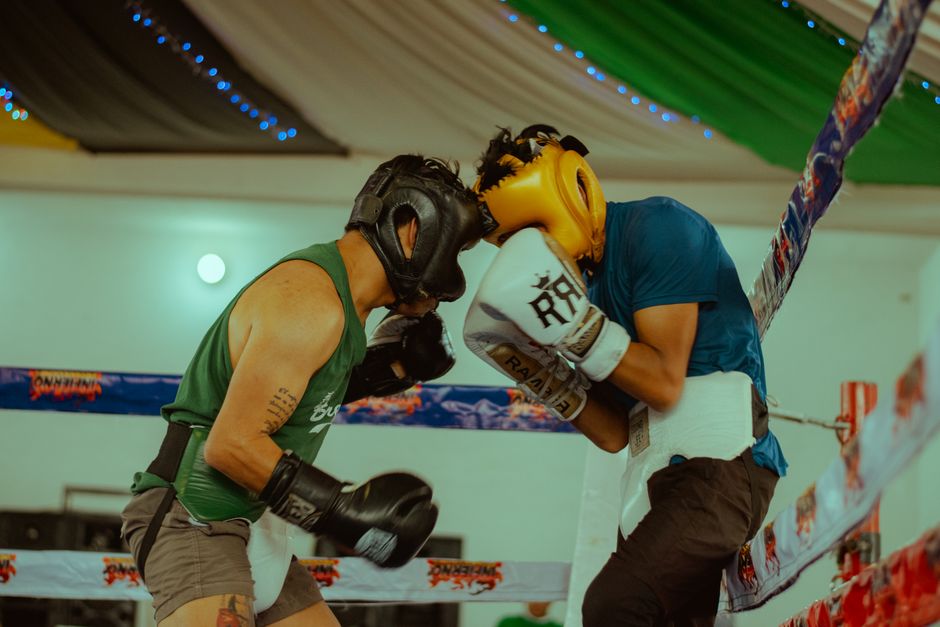
It is a Thursday sparring night at a small club. The coach checks every pair before the bell: same rough weight, same experience, 16-ounce gloves laced tight, mouthpieces in. Round one is easy, touch work and moving the feet. Nobody is trying to win. That is boxing injury prevention in one picture: the choices around a boxer, how often and how hard they spar, how their hands are wrapped, how their gloves fit, how they make weight and who checks them, that aim to lower the chance of getting hurt. Boxing is a sport where blows to the head are part of the contest, so prevention here means reducing and managing risk.
Quick answer: Research links more sparring and more fights with brain changes and slower thinking in boxers, and no source we read gives a safe number of rounds. Keep sparring controlled, wrap your hands, use gloves that fit, never make weight by drying out, and under CDC HEADS UP a boxer who may have a concussion stops that day until a provider clears them. See a sports medicine doctor, physical therapist or athletic trainer for headaches, memory or balance problems after sparring, lasting hand or wrist pain, or flashes or floaters in your vision, and call 911 for loss of consciousness or other danger signs.
General information, not medical advice. This page is about lowering risk. For what each boxing injury looks like and when to get it checked, see our boxing injuries guide, and for the sport as a whole, our boxing hub.
Know where the risk sits
Prevention works best when it aims at the real problem. A 2022 systematic review of 17 amateur boxing studies found that in bouts the head and neck took most injuries (a median of 72%), while in training the upper limb led (about half), so the head matters in the ring and the hands matter at the bag.
Head impacts and sparring limits
Honest answer first: no source we read gives a safe number of sparring rounds. What exists is evidence that exposure adds up.
- In the Professional Fighters Brain Health Study of 224 boxers and mixed martial arts fighters, more pro fights and more years of fighting went with smaller volumes in parts of the brain and slower processing speed (Bernick et al., 2015).
- In the same study, active fighters who had done more sparring rounds had higher blood levels of neurofilament light, a marker of nerve-cell damage (Bernick et al., 2018).
- Among 237 professional boxers in Maryland, a higher cumulative sparring index went with lower scores on thinking-speed and balance tests (Stiller et al., 2014).
- For amateurs the picture is less clear. A systematic review of 36 papers found no strong evidence linking amateur boxing to chronic brain injury, but rated the evidence quality as generally poor (Loosemore et al., 2007).
These studies show links, not proof of cause, and give no cut-off. Practical steps, several of them coaching practice rather than tested rules:
- Match sparring partners by weight and experience, and keep it controlled. Light and technical rounds put fewer hard blows to the head. This is coaching practice, not a published limit.
- Count your rounds. A simple weekly log lets you and your coach see the build-up. We have no source for a target number.
- Supervised sparring only. USA Boxing’s rulebook defines sparring as work with a registered coach at a training facility, which is the setting where someone can stop a round.
- Rest after knockouts. USA Boxing Rule 5.4 sets medical suspensions: at least 30 days after a knockout, 90 days if a boxer lost consciousness for under a minute, and 180 days if longer, with no training or sparring during the restriction, and a physician’s written clearance to return.
Recognize and remove
The CDC HEADS UP program is direct: if you think a boxer may have a concussion, remove them from sparring or the bout, the same day, and keep them out until a health care provider says they can return. Signs include looking dazed, slow answers, clumsiness, mood changes and headache. USA Boxing’s restriction form lists a 24-hour observation period (blood or watery fluid from the ears or nose is a warning sign). Call 911 for loss of consciousness, a worsening headache, repeated vomiting, seizures or confusion. Details on our boxing injuries page.
Hand wraps and glove fit
Hands and wrists take the brunt in training. In the GB Olympic squad from 2005 to 2012, instability at the base of the hand and boxer’s knuckle were among the most common hand problems (Hand, 2017). A boxer’s fracture, a break of the hand bone behind the little finger, comes from punching a hard object with a closed fist, says the American Academy of Orthopaedic Surgeons (AAOS), which advises getting checked soon for swelling, a sunken knuckle or a finger that crosses its neighbor.
What we could and could not confirm about protection:
- Wraps. We found no trial showing hand wraps prevent fractures. They are required in competition: USA Boxing Rule 38 sets gauze and tape limits or stretch wraps 8 to 15 feet long and no wider than 2¼ inches, with no tape over the knuckles. Makers say snug wraps support the wrist; that is maker guidance, not a tested result.
- Glove size. USA Boxing sets glove weights by bodyweight in competition (Rule 36, 10 ounce up to 143 pounds, 12 or 16 ounce above), and sparring gloves are usually heavier, with many gyms using 16 ounce. That gym custom is common practice, not from a rule. A maker’s size chart (Title Boxing) lists heavier gloves for heavier boxers.
- Technique. Landing with the first two knuckles and a straight wrist is coaching guidance, not a cited study.
Gloves, wraps and mouthpiece choices are covered in more depth on our boxing gear page.

Hayabusa 4.0 Perfect Stretch Hand Wraps
- 180 in
- Four-way stretch
- Thumb loop
$19.99 at Amazon, as of Nov 17, 2026 01:07 UTC
Check price on Amazon
Shock Doctor Gel Max Mouthguard
- Gel-lined
- Boil-and-bite fit
$11.99 at Amazon, as of Nov 17, 2026 01:07 UTC
Check price on Amazon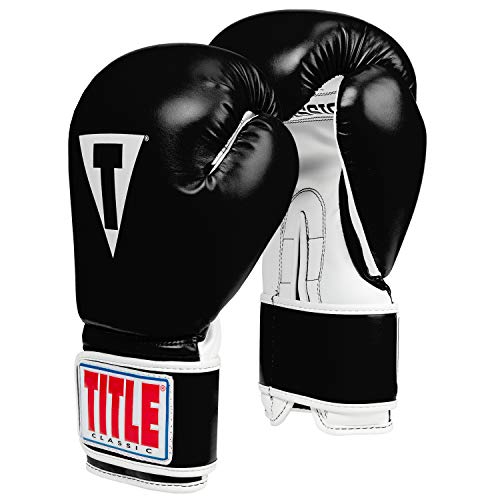
Title Classic Pro Style Training Gloves 3.0
- Multi-layer foam
- Hook-and-loop wrist strap
- 8 to 16 oz options
$34.99 at Amazon, as of Nov 17, 2026 01:07 UTC
Check price on AmazonHeadgear: what the evidence shows
Headgear is one of the most debated pieces of equipment in boxing, and the evidence points in more than one direction. A 2022 systematic review of 39 studies found that headguards protect well against cuts and skull fractures, while less is known about concussion, and that most studies used indirect evidence with small samples. In a lab test, a headguard roughly halved angular head acceleration in some punches, and the authors supported a role for headguards in reducing concussion risk (McIntosh and Patton, 2015). When the international federation removed headguards from elite men’s competition in 2013, ringside records showed fewer stoppages from head blows but more cuts (Loosemore et al., 2017).
So the fair summary is: headgear helps against cuts and fractures, it has not been shown to prevent concussion, and it does not make hard head contact safe. USA Boxing still requires headgear in all its competition divisions (Rule 37.3), and mouthpieces too (Rule 39). The American Dental Association (ADA) describes stock, boil-and-bite and custom mouthguards and advises rinsing after use and replacing a damaged one; we found no boxing study showing a mouthguard prevents concussion.
Safe weight management
The National Athletic Trainers’ Association (NATA) position statement on safe weight loss advises about 1 to 2 pounds a week, no more than 1.5% of bodyweight, which means starting the process weeks ahead rather than days. A CDC report on the 1997 deaths of wrestlers who dried out to make weight called for health professionals to be involved in setting weights and limits. The International Society of Sports Nutrition’s 2025 position stand describes supervised methods to cut water, but we do not recommend those here, and it notes the long-term effects are unknown.
- Box at a weight you can reach through eating well, not by drying out. If a class needs a big cut, a sports dietitian or doctor should be in the plan.
- In California, the athletic commission allows only oral rehydration after weigh-in and bars boxers who have had an IV from competing (Rule 299). WADA’s 2026 list also bans IV infusions above 100 mL in 12 hours and diuretics.
- Young boxers should not cut weight at all without medical advice; the American Academy of Pediatrics (AAP) has a clinical report on weight control in young athletes.
For daily eating and fueling, see boxing nutrition and supplements, and for fight-week logistics, our boxing fight-day guide.
Training load, strength and the gym
The 2016 International Olympic Committee consensus statement on training load and injury (Soligard et al.) makes the general point that rapid jumps in training load are risky and that a gradual, planned build is part of protecting athletes. It does not give a boxing number and neither do we. Our boxing training guide covers a week of work, and boxing recovery the days between. No source we read shows a strength or neck program lowers boxing concussion risk.
Medical checks
Medical checks are built into regulated boxing, and they are worth using even in the gym. USA Boxing requires an annual physical and ringside checks, and at its national events a medical exam comes before weigh-in. In California, a boxer’s first license involves a neurological exam and brain-imaging scan, a history of retinal tear or detachment needs an eye specialist’s clearance, and a physical and eye exam comes within an hour of entering the ring (California State Athletic Commission rules). In a study of 25 amateur boxers with no symptoms, six had retinal tears or holes; flashes, new floaters or a curtain over your vision need an eye doctor quickly.
Youth boxers
The AAP and the Canadian Paediatric Society oppose boxing for children and adolescents because of the risk of head and face injuries. USA Boxing runs a youth program from age 8 with headgear and shorter rounds. See our youth boxing page and the rules page.
What prevention can’t do
Nothing on this page guarantees a boxer stays unhurt. Headgear has not been shown to prevent concussion, and wraps do not rule out a fracture. Chronic traumatic encephalopathy (CTE), a brain disease linked to repeated head impacts, can only be diagnosed for certain after death and has no specific treatment, according to a 2024 systematic review. Non-contact boxing fitness, bag and pad work carry no head blows at all.
When to see a professional
- Right away: loss of consciousness, a headache that worsens, repeated vomiting, confusion, seizures, fluid from the ears or nose, or sudden vision loss.
- Within a day or two: a suspected concussion, a sunken knuckle, wrist pain that has not settled after a day, a cut that may need stitches.
- Soon: headaches, memory lapses or balance changes building over weeks of sparring.
Boxing injury prevention: FAQs
How much sparring is safe?
No source we read gives a safe number. Studies of pro fighters tie more sparring to brain changes and slower thinking, so keep it controlled and supervised, and ask a doctor about your own case.
Does headgear stop concussions in boxing?
Not reliably. A review of 39 studies found it protects well against cuts and skull fractures, but less is known about concussion.
What should I do after a hard shot in sparring?
CDC HEADS UP says stop the same day if a concussion is suspected and wait for a health care provider’s clearance. Call 911 for danger signs.
Do hand wraps prevent a boxer’s fracture?
We found no trial that shows it. Wraps are required in competition, but see a doctor for swelling or a sunken knuckle, as AAOS advises.
How fast can a boxer safely lose weight?
The NATA position statement advises about 1 to 2 pounds a week, no more than 1.5% of bodyweight. Rapid dehydration cuts are risky.
Do I need a medical exam to box?
For USA Boxing events, yes: an annual physical and ringside checks. State commissions set pro requirements. In the gym, a check-up with a sports medicine doctor is a good idea.
Sources
- Amateur boxing injuries, systematic review of 17 studies, 2022
- Professional Fighters Brain Health Study, Bernick et al., 2015
- Professional Fighters Brain Health Study, neurofilament light and sparring, 2018
- Sparring exposure in 237 professional boxers, Maryland, 2014
- Amateur boxing and chronic traumatic brain injury, systematic review, Loosemore et al., 2007
- Chronic traumatic encephalopathy systematic review, 2024
- Protective headgear in Olympic boxing, systematic review of 39 articles, 2022
- Boxing headguard performance in punch machine tests, McIntosh and Patton, 2015
- Use of head guards in AIBA boxing tournaments, Loosemore et al., 2017
- Nasal injuries in amateur male boxers before and after the 2013 headgear rule change, 2025
- Hand and wrist injuries in GB Olympic boxers, Hand (N Y), 2017
- Ocular findings in asymptomatic amateur boxers, 1993
- AAP and Canadian Paediatric Society, boxing participation by children and adolescents, 2011
- CDC HEADS UP, responding to a concussion
- CDC HEADS UP, signs and symptoms
- USA Boxing National Rulebook (revised January 1, 2026)
- California State Athletic Commission, Laws and Regulations
- AAOS OrthoInfo, Hand Fractures
- NATA position statement, safe weight loss, Turocy et al., 2011
- ISSN position stand, nutrition and weight cutting in combat sports, 2025
- CDC MMWR, 1998 report on the 1997 wrestler deaths
- WADA 2026 Prohibited List
- AAP clinical report, weight control in young athletes, Carl et al., 2017
- Soligard et al., IOC consensus statement on load and injury, 2016
- ADA MouthHealthy, mouthguards
- Title Boxing size chart (maker guidance)
- Hayabusa, how to choose boxing hand wraps (maker guidance)
General information for education only, not medical advice. It does not replace a visit with a doctor, physical therapist or athletic trainer. See how we write and check our pages in our editorial policy.