
This article contains affiliate links: if you buy through them we may earn a commission, at no extra cost to you. Read our affiliate disclosure.
The first net session of the season, early April, and a 17-year-old opening bowler is charging in at full pace after a winter off. His coach stops him after four overs and checks the number in her notebook. Cricket injury prevention is the set of habits around players, matches and innings that aim to lower the chance of getting hurt: a planned bowling workload, a proper build-up before the season, protective equipment that fits and meets a standard, sensible fielding and running habits, and a plan for hot days. It can lower the odds. It cannot promise anything.
Quick answer: The biggest prevention job in cricket is managing how much a fast bowler bowls: the England and Wales Cricket Board (ECB) and Cricket Australia both publish limits for young bowlers, and the ECB says too much, too little or too sudden a change in bowling can all raise the risk of a lumbar stress fracture. Wear a helmet with a faceguard against a hard ball, check which standard it meets, and take anyone with a suspected head knock out of play. Build up sprinting and throwing before the season, and plan drinks, shade and sun cover for hot days. See a sports medicine doctor, physical therapist or athletic trainer if a young fast bowler has back pain lasting more than a few days, and call emergency services for any concussion danger sign.
General information, not medical advice. This page is about lowering risk. For what each cricket injury looks like and when to get it checked, see our cricket injuries guide. Back to the cricket hub.
What actually needs preventing
Cricket is not a contact sport, but its injuries cluster in a few places. In Cricket Australia’s ten seasons of senior men’s data, hamstring strains were the most common injury, lumbar stress fractures in fast bowlers kept players out the longest, and fast bowlers averaged 20.6% of their squad unavailable at any time (Orchard and colleagues, 2016). In English county cricket, hamstring injuries were most frequent in one-day cricket, often while running between the wickets, and rates were highest in April (Goggins and colleagues, 2022). Fielders throw all day: in eight seasons of elite Australian women’s cricket, 69% of sudden shoulder injuries happened while fielding (Pritchard and colleagues, 2026). Hands and fingers are the most injured body parts, says the ECB. The rest of this page follows that list.
Warm-up: what is known
Unlike soccer, where the FIFA 11+ has been tested in trials, we did not find a named, trial-tested warm-up program for cricket, so be careful with anyone who says there is one. What the research does support is the idea behind a warm-up: arrive at the first ball with the body already prepared. The hamstring data point to early-season risk, so run, turn and sprint before the match, not only during it. A survey of UK professional cricket clubs found every club with a hamstring prevention program used the Nordic hamstring exercise or other eccentric work (Chesterton and Tears, 2021).
Fast bowling: the workload is the prevention
The ECB says each fast-bowling delivery loads the lower spine with about three times body weight. Done in the right amounts that builds bone; done too much, too suddenly, or after too long a break, it can lead from bone stress to a stress fracture. The ECB names two main risk factors: age (teenagers in or just after a growth spurt) and workload. So the first prevention tool is a number in a notebook.
- Know your league’s limits. The ECB and Cricket Australia publish different match limits for junior bowlers, by age; the full table is on our injuries page. We found no US youth fast-bowling limits, so USA leagues should ask which guideline they follow.
- Count every full-effort ball. The ECB counts deliveries in matches, nets and soft-ball cricket. Elite players are poor at remembering throws (only 22% of self-reported counts were within 10% of the real number, Hoyne and colleagues), so write it down the same day.
- Avoid spikes. In elite fast bowlers, a week’s workload more than double the average of the previous four weeks was linked to a 3.3 to 4.5 times higher injury risk the following week (Hulin and colleagues).
- Do not go too quiet either. The ECB says bone strength drops after only two weeks without bowling, and its ‘Ready to Bowl’ templates rebuild gradually after a break. Plans for the week are on our cricket training page.
- Rest days are part of the plan. The ECB recommends no more than 4 bowling days in any 7, and Cricket Australia’s ‘1-3-5’ rule for under-17s gives a rest day after each bowling day.
- Growth spurts. The ECB suggests a bowler growing more than about 7 cm in a year follow the guidelines for the age group below.
Technique
A review of MRI studies of fast bowlers found disc degeneration in 21 to 65% and bony abnormalities in 24 to 81%, and named intense workload and a ‘mixed’ bowling action as risk factors that can be changed (Arora and colleagues, Asian Journal of Sports Medicine, 2014). A qualified coach can review an action; we found no published rule that any action is injury-proof.
Conditioning for bowling, batting and fielding
- Legs and hamstrings. Soccer trials found the Nordic hamstring exercise cut hamstring injuries sharply (see our soccer injuries page); the cricket evidence is the club survey above, not a cricket trial. Add short sprints with hard turns, built up over weeks, because running between the wickets is a risky moment in the short formats.
- Throwing arm. In a small study of 43 sub-elite cricketers, 12 weeks of shoulder neuromuscular training improved throwing accuracy and speed (Hydar Abbas and colleagues). Build long throwing up in preseason rather than starting with a full session of flat returns from the boundary; a physical therapist or athletic trainer can set the program.
- Young players. The American Academy of Pediatrics (AAP) supports supervised, technique-focused resistance training for children and teens and recommends 1 to 2 days off a week from the main sport (Brenner, Pediatrics, 2016).
Fielding and running safely
The ECB’s recreational regulations set minimum distances for young fielders: players aged 16 and 17 must wear a helmet when fielding within 8 yards (7.3 m) of the batter, and younger players are held further back. Hand injuries are common among fielders; one study of cricket hand injuries pointed to the little and ring fingers and discussed buddy strapping (PMID 25609280). Collisions and boundary boards can also cause concussion, the ECB notes.
Heat, sun and storms
Cricket keeps players outside for hours, often with a helmet and pads on. Cricket Australia uses a cricket-specific Heat Stress Risk Index that combines shade temperature, wind, humidity and sun exposure: at higher levels it calls for extra drinks breaks, longer cooling breaks off the field, and, above the top level, suspending play until conditions have improved for at least 30 minutes, or abandoning it. In a survey of 365 junior cricketers in Sri Lanka, most rated the heat risk of protective gear as low (Gamage and colleagues, 2019), so watch batters and keepers. The National Athletic Trainers’ Association (NATA) heat illness position statement advises acclimatizing over 7 to 14 days and treats exertional heat stroke as an emergency: call 911 and cool first. The American Academy of Dermatology advises broad-spectrum, water-resistant sunscreen of SPF 30 or higher, reapplied about every two hours and after sweating. NATA’s lightning rule is that when thunder is heard, everyone goes indoors. Fluids and fuel are on our match day page.
Protective equipment and fit
Be clear about what is verified and what is not. Verified standards: the ECB’s guidelines recommend helmets that meet British Standard BS 7928:2013, and the ICC publishes a list of compliant helmets showing whether each was tested against the men’s ball (5.5 oz), the junior ball (4.75 oz) or both. Cricket Australia requires BS 7928:2013 helmets in its managed competitions and, since 2023-24, neck protectors for batters facing fast or medium pace in sanctioned competitions. Under ECB rules, players under 18 must wear a helmet with a faceguard when batting against a hard ball, in matches and in practice, and under-18 wicketkeepers standing up must wear a helmet or face protector. The ECB strongly advises all cricketers to wear a neck protector with a helmet and says a helmet cannot guarantee a concussion will not happen; in its study of 194 helmet strikes in elite men’s cricket, 29% led to a concussion (O’Halloran and colleagues, 2021).
Fit and condition. Check the helmet’s standard, that the faceguard is not bent, and that it sits level and snug. Boys must wear an abdominal guard whenever ECB rules require a helmet. The ECB also calls the thigh the second most common injury site in recreational cricket, which is why many players add a thigh pad. Maker claims, not independently checked: the product descriptions below come from makers’ listings, and we did not find studies showing any of them prevents injuries.
Pads, gloves and bats are on our cricket gear guide. The Shrey Armor 2.0 steel helmet is on the ICC list, the SG Premium abdominal guard is a poly shell with foam edges, the NordStick strap holds the heels for Nordic curls at home, and the Blue Lizard Sport mineral sunscreen is SPF 30+ per its listing.

Shrey Armor 2.0 Steel Helmet
- BS 7928 list, per ICC
- Junior to large sizes
$134.99 at Amazon, as of Nov 17, 2026 02:07 UTC
Check price on AmazonSG Premium Abdominal Guard
- High-impact poly shell
- Men, youth, boys sizes

NordStick Nordic Hamstring Curl Strap
- Holds heels for Nordic curls
- 350 lb capacity (listing)
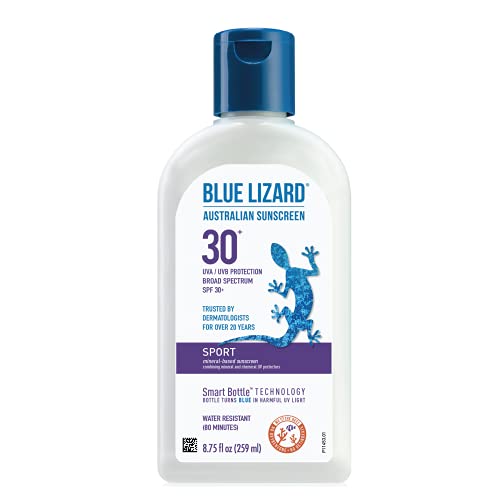
Blue Lizard Sport Mineral Sunscreen SPF 30+
- Zinc oxide, broad spectrum
- Water and sweat resistant
Young players
Teenage fast bowlers are the group the guidelines worry about most, because, as Cricket Australia puts it, bones grow quickly before they become strong. The ECB estimates it takes about 15 years of development and training to build the bone strength that resists this damage. That is why youth match limits exist. Match rules by age are on our youth cricket page.
What prevention cannot do
Nothing here guarantees you will stay healthy: a helmet does not remove concussion risk and a tidy workload does not rule out a stress fracture. Prevention lowers the odds. Good recovery habits help you bounce back; see our cricket recovery page.
When to see a professional
- Right away: any concussion danger sign from the CDC’s HEADS UP list (one pupil larger, worsening headache, repeated vomiting, seizures, confusion, loss of consciousness), a ball strike to the neck, or a possible broken bone. Remove a player with a suspected concussion from play; a licensed provider decides when they return.
- Soon: low back pain in a young fast bowler that lasts more than a few days or gets worse with bowling, a finger that will not straighten, or a throwing shoulder that hurts every time. A sports medicine physician diagnoses, a physical therapist guides the return to bowling, and an athletic trainer or team physio is often first on the scene.
Injury detail is on our cricket injuries page.
Cricket injury prevention: FAQs
How do fast bowlers avoid back stress fractures?
There is no guarantee, but the ECB and Cricket Australia both point to managing workload: age-based limits on overs, rest days, no sudden jumps and no long gaps, plus extra care during growth spurts. Back pain in a young bowler that lasts more than a few days should be checked by a sports medicine doctor.
Should cricketers wear a helmet when fielding?
Under ECB rules, players aged 16 and 17 must wear one when fielding within 8 yards of the batter, and under-18 keepers standing up need a helmet or face protector.
Is a neck guard necessary?
Cricket Australia requires neck protectors for batters facing fast or medium pace in its sanctioned competitions, and the ECB strongly advises wearing one whenever you wear a helmet.
Can bowling too little cause injury?
Yes. The ECB says bone strength drops after only two weeks without bowling, and in Australian first-class bowlers, averaging 5 or more days between sessions was linked to higher injury risk than 3 to 4 days (Dennis and colleagues, 2003).
How do I stay safe in hot weather at a match?
Drink to a plan, take shade and drinks breaks, wear sunscreen and a hat, and take anyone with confusion or collapse out and cool them, calling 911 for suspected heat stroke, per NATA. Cricket Australia’s heat index is a useful model for any club.
Sources
- Orchard et al., incidence and prevalence of elite male cricket injuries, 2016
- Goggins et al., hamstring injuries in England and Wales men’s domestic cricket 2010-2019
- Pritchard et al., shoulder injuries in elite female cricket players
- Arora et al., are fast bowlers prone to back injuries? MRI review
- Hulin et al., spikes in acute workload in elite fast bowlers
- Dennis et al., bowling workload and injury risk in elite fast bowlers
- Hoyne et al., self-reported throwing volumes in elite Australian cricketers
- Hydar Abbas et al., neuromuscular training and throwing in cricketers
- Chesterton and Tears, Nordic hamstring exercise in UK professional cricket
- Cricket hand injury study (PMID 25609280)
- O’Halloran et al., helmet strikes in elite cricket, 2021
- Gamage et al., heat illness risk perceptions in junior cricket, Sri Lanka
- ECB Recreational Cricket Safety Guidelines, December 2025
- ECB Recreational Cricket Safety Regulations, December 2025
- Cricket Australia, junior pace bowling workload guidelines
- Cricket Australia, head and neck protectors
- Cricket Australia, weather conditions and heat stress
- ICC, helmet regulations
- CDC HEADS UP, signs and symptoms
- NATA position statement, exertional heat illnesses, 2015
- NATA position statement, lightning safety, 2013
- American Academy of Dermatology, how to apply sunscreen
- AAP clinical report, sport specialization, Brenner 2016
- AAP, resistance training for children and adolescents, 2020
General information for education only, not medical advice. It does not replace a visit with a doctor, physical therapist or athletic trainer. See how we write and check our pages in our editorial policy.