This article contains affiliate links: if you buy through them we may earn a commission, at no extra cost to you. Learn more.
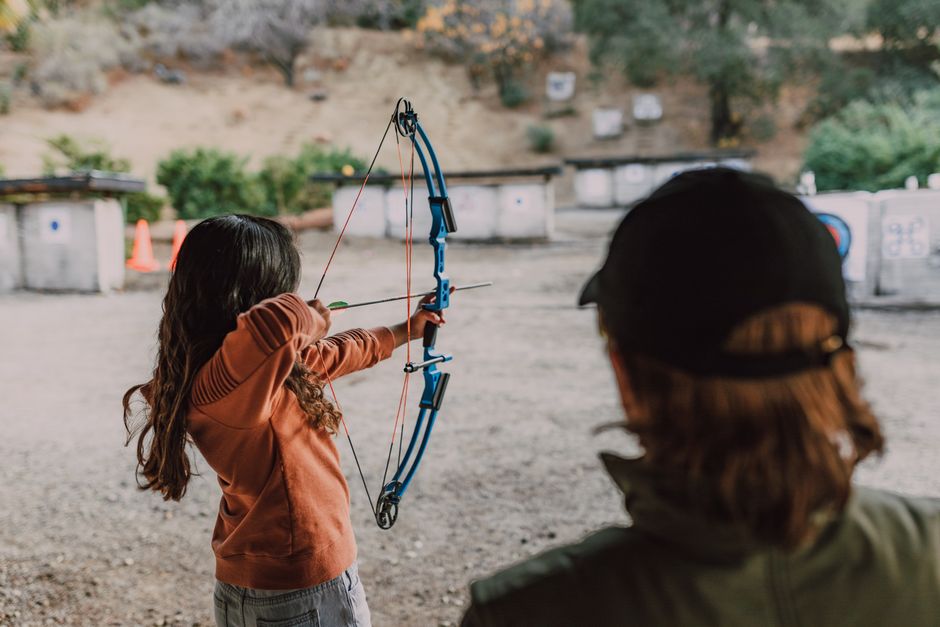
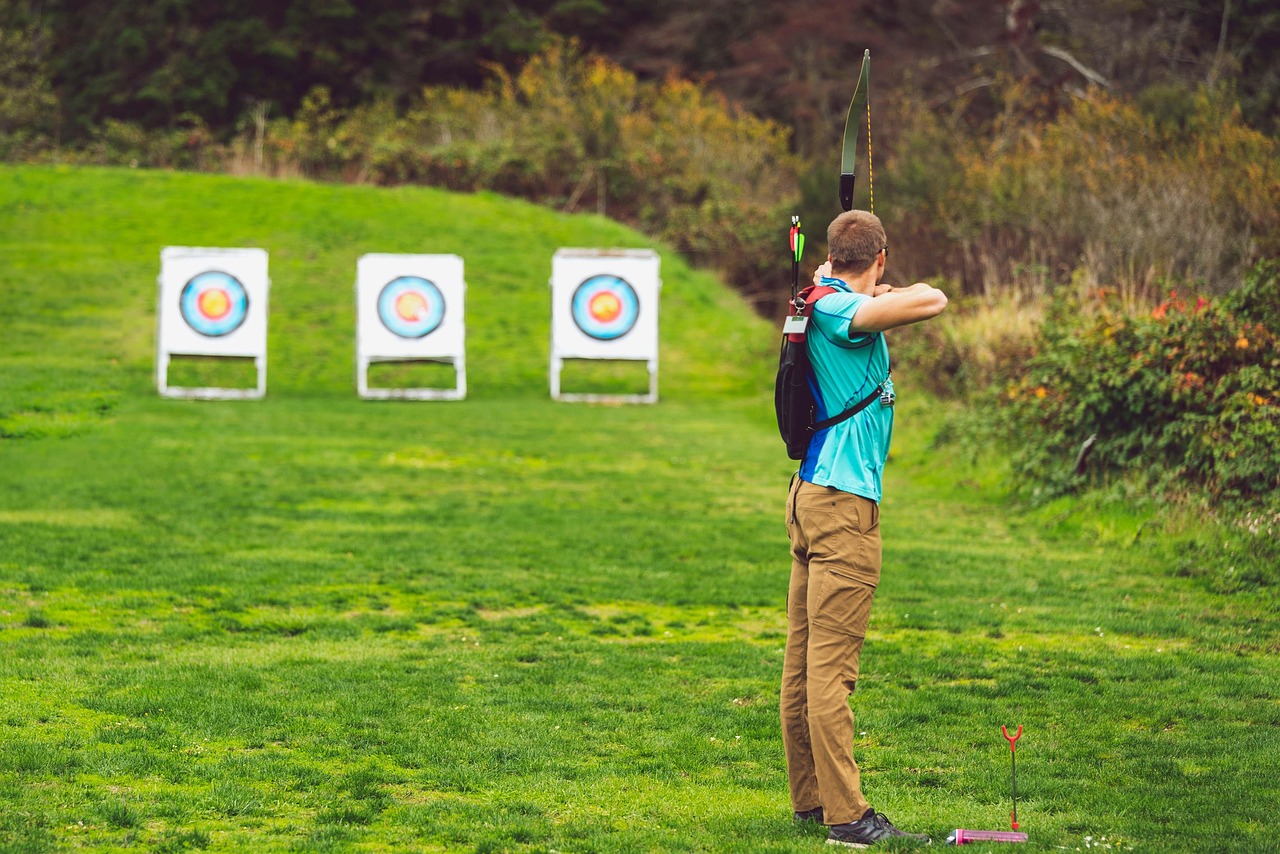
It’s a school night in April, and the NASP tournament is two weeks away. Dinner’s done, there’s still light in the sky, and your daughter wants “just three more ends” at the target by the back fence while you stand behind the line and call the arrows clear. Those quiet evening ends are where most archers actually get better, which is why the best archery targets are the ones that stop arrows reliably, let you pull them out easily and fit safely in the space you really have. This guide covers bag, layered-foam and self-healing foam targets, official target faces, a stand and a backstop net, plus how to set up a backyard archery target so nobody and nothing is ever in harm’s way.
Prices change often. The prices below are what we saw on Amazon in October 2026; check the current price before you buy.
A note on bows and arrows: we don’t recommend or sell bows, arrows or bow parts, on purpose. Get them fitted at a pro shop or through a club coach. Everything below is about what the arrows land in.
Our top picks
BLOCK Classic Layered Foam Target
- 18 x 18 x 13.5 in
- Shoot from 2 sides
- About $78
Morrell Yellow Jacket Stinger
- 20 x 12 x 20 in, field points
- 2 sides, 10 bullseyes
- About $50
Morrell Youth Range NASP Bag Target + Stand
- For bows 30 lb and under
- Bag 28 x 10 x 28 in, stand included
- About $111
Rinehart 18-1 Target
- 18 faces, self-healing foam
- 15 x 15 x 15 in, carry handle
- About $162
Maple Leaf FITA 40 cm Target Faces (100 pack)
- Official World Archery face
- Indoor 10-ring, 75 lb tag stock
- About $64
HME Bag Target Stand
- Holds bags up to 30 x 30 in
- Raised legs, stabilizer pin
- About $44
NWS Professional Archery Back Stop Netting
- 450gsm knitted polypropylene
- 6 x 6 ft up to 30 x 10 ft
- About $135 (6 x 6 ft)
Archery targets compared
| Product | Type | Size | Key feature | About (Oct 2026) |
|---|---|---|---|---|
| BLOCK Classic | Layered foam | 18 x 18 x 13.5 in | Stops arrows by friction; 2 sides | $78 |
| Morrell Yellow Jacket Stinger | Bag (field points) | 20 x 12 x 20 in | 2 sides, 10 bullseyes | $50 |
| Morrell Youth Range NASP | Bag + stand | 28 x 10 x 28 in bag | For bows 30 lb and under | $111 |
| Rinehart 18-1 | Self-healing foam cube | 15 x 15 x 15 in | 18 faces to rotate | $162 |
| Maple Leaf FITA 40 cm | Paper faces (100) | 40 cm | Official World Archery face | $64 |
| HME Bag Target Stand | Stand | Bags up to 30 x 30 in | Raised legs for uneven ground | $44 |
| NWS Back Stop Netting | Backstop net | 6 x 6 to 30 x 10 ft | Fire-retardant, brass eyelets | $135 (6 x 6 ft) |
The best archery targets for 2026
1. BLOCK Classic: best overall
The BLOCK Classic is a layered foam target: arrows slide between open, unglued layers of foam and are stopped by friction rather than force. The maker says the heat from the arrow briefly grips the shaft and then lets go within seconds, which is why pulling arrows out is so easy. It measures 18 x 18 x 13.5 inches (a 22-inch version also exists), you can shoot both sides, it has a top carry handle, and the high-contrast black-and-white layout is easy to see at short and longer distances.
- Good: easy arrow removal; light enough to carry in and out of the garage; two shooting sides.
- Watch out: an 18-inch target is a small mark for beginners, so put a backstop behind it.
- Best for: teens and adults who practice most days.
Check the BLOCK Classic price on Amazon
2. Morrell Yellow Jacket Stinger: best budget bag target
Bag targets are the classic backyard choice for field points, and this one is a good place to start. The Stinger measures 20 inches long, 12 wide and 20 tall, with two shooting sides and 10 bullseyes, an E-Z tote handle, a weather-resistant surface and 38 layers inside. Morrell says arrow removal is easy enough for the whole family.
- Good: low price; lots of aiming spots; easy to carry.
- Watch out: made for field points only; it sits on the ground unless you add a stand.
- Best for: new archers and families trying archery at home.
Check the Morrell Yellow Jacket Stinger price on Amazon
3. Morrell Youth Range NASP Bag Target + Stand: best for kids
If your child shoots in a school NASP program, this set is made for that kind of bow: Morrell says it’s for traditional and youth bows of 30 pounds and below. The bag is 28 inches long, 10 wide and 28 tall, with two shooting sides and four shooting spots, and it clips with carabiners onto a raised-leg stand with a stabilizer pin that stops the bag from swinging and lets you set up on uneven ground. The whole set weighs about 18 pounds.
- Good: big, kid-friendly face; target and stand in one box; indoor or outdoor.
- Watch out: not for heavier adult bows; check the draw weight before you shoot it.
- Best for: NASP and beginner youth archers practicing at home.
Check the Morrell Youth Range price on Amazon
4. Rinehart 18-1: most sides to shoot
The Rinehart 18-1 is a 15-inch cube of self-healing foam with 18 different faces, so you can keep turning it to a fresh side instead of wearing one spot out. It has an easy-carry handle and highly visible target zones, and Rinehart says it’s built to take arrows up to 500 fps, far more than most target bows. It costs about twice as much as a good bag, but it’s the target on this list built to last the longest.
- Good: self-healing foam; 18 faces to rotate; light to carry.
- Watch out: highest price here; at 15 inches it’s a small mark, so practice close at first.
- Best for: experienced archers who shoot a lot and want one target for years.
Check the Rinehart 18-1 price on Amazon
5. Maple Leaf FITA 40 cm faces: best target faces
If you shoot (or want to shoot) Olympic-style target archery, practice on the real face. Indoors, every division shoots a 40 cm face at 18 meters, and this 100-pack is the official World Archery 40 cm 10-ring face, four colors, printed on 75 lb tag stock. Pin one to a foam target or boss and every evening end counts like a tournament end. For outdoor practice, DuraMesh FITA faces come in 80 cm (compound) and 122 cm (recurve and barebow) for about $17.
- Good: official face; 100 sheets last a long season.
- Watch out: paper only; you need a target behind it.
- Best for: JOAD, club and competitive archers.
Check the Maple Leaf 40 cm faces price on Amazon
6. HME Bag Target Stand: best target stand
A bag on the grass gets knocked over, soaks up water and sits too low. The HME stand hangs most bag targets up to 30 inches wide and 30 tall from carabiner hooks on sliding brackets, so you can adjust the width to your bag. Its raised legs work on uneven ground, a stabilizer pin keeps the bag from swinging when arrows hit, and the square tubing has a powder-coat finish for indoor or outdoor use.
- Good: fits most bag targets; quick to unclip and store.
- Watch out: for bag targets; foam cubes and blocks need a different setup.
- Best for: anyone with a bag target like the Stinger.
Check the HME Bag Target Stand price on Amazon
7. NWS Professional Archery Back Stop Netting: best backstop net
A backstop is what catches the arrows that miss. This net is close-mesh knitted polypropylene at 450gsm, with hemmed edges and brass eyelets for hanging from a tensioned wire or fixed points, and a fire-retardant treatment tested to BS 5867-2. It comes in 6 x 6, 10 x 6, 10 x 10, 20 x 10 and 30 x 10 feet, in green or white; the 6 x 6 white was about $135. The maker says to hang it with enough slack to slow arrows and calls it an additional safety screen behind targets.
- Good: heavy, purpose-made archery netting in many sizes.
- Watch out: no frame or posts included; it’s an extra layer of safety, not a reason to shoot toward a house, road or path.
- Best for: backyards and garages where a stray arrow must stay on your side.
Check the NWS backstop netting price on Amazon
How to choose a backyard archery target
- Match the target to the bow. Every target is made for certain arrow tips and speeds. Check the maker’s rating against the bow your family actually shoots: a youth target for a light youth bow, a tougher foam target for an adult bow.
- Bag, layered foam or self-healing foam. Bags are cheap and easy for field points; layered foam makes pulling arrows easy; self-healing foam cubes cost more and last longest.
- Bigger is kinder for beginners. A large face means fewer misses, and fewer misses means fewer arrows in the grass (or the fence).
- Practice on the face you’ll compete on. 40 cm indoors; outdoors 122 cm for recurve and barebow and 80 cm for compound.
- Budget for the backstop. The target is only half the setup; the backstop and a stand finish it.
Backyard archery safety: backstop first
The Archery Trade Association’s Archery 360 program gives simple rules for shooting at home. First, check your town or county’s rules: some places limit or ban backyard archery, and it’s a good idea to tell your neighbors. Never shoot toward roads, houses or places where people walk or hang out. Put a backstop behind the target that is wider and higher than the target, and if you don’t have one, the ATA says to allow 25 yards of open space behind the target. Make sure everyone stays behind the shooting line, call out clearly when the range is clear and when shooting can start again, and keep pets leashed or indoors. With kids, an adult runs the line, every time; the same whistle-and-walk habits kids learn in school and club archery work at home. Check the target and net for wear before each session.
Archery is gentle on most bodies, but the drawing shoulder takes the most strain. If a shoulder, elbow or finger keeps hurting after practice, rest it and see a sports medicine doctor, physical therapist or athletic trainer; our archery injuries page explains the common ones.
For arm guards, finger tabs, quivers and the rest of the kit, see our archery gear list; rules, training and clubs are on the archery hub, and more posts live in the archery blog. Building shoulder strength for the draw? The resistance band guide helps, and the massage gun guide covers sore upper backs after long practice days.
Archery target questions
What’s the best archery target for a beginner?
A bag target for field points, like the Morrell Yellow Jacket Stinger, on a stand and with a backstop behind it. For kids with light youth bows, the Morrell Youth Range set comes with its own stand.
Do I need a backstop behind my archery target?
At home, yes. The Archery Trade Association suggests a backstop wider and higher than the target; without one, it says to allow 25 yards of clear space behind the target. Hay bales, stall mats or archery netting all work as backstops.
Is backyard archery legal?
It depends on where you live. Check your city or county ordinances, or ask local police or an archery shop, before you set up a backyard archery target.
Bag or foam target: which lasts longer?
Foam usually costs more and lasts longer, especially self-healing foam cubes with many faces, like the Rinehart 18-1. Bags are cheaper and easy to pull field points from, and some have replaceable covers.
What size target face should I use?
Indoors, a 40 cm face at 18 meters for every division. Outdoors, 122 cm for recurve and barebow and 80 cm for compound. Beginners can start on any big, bright face at a short distance.